Shampoo and hair loss: irritation, shedding and what to do
How to distinguish an irritated scalp from a change in your hair, and when to ask a pharmacist or GP for advice.

Published: 11 October 2026
Updated: 11 October 2026

Contents
- Shampoo, shedding and breakage: three different issues
- When a shampoo or another product irritates the scalp
- Do sulphates, fragrance or “natural” ingredients cause hair loss?
- What anti-dandruff and ketoconazole shampoos can do
- Building a manageable washing routine
- When the problem needs more than a shampoo change
- Shampoos, medicines and hair transplants have different roles
- Questions and answers
- UK sources
Finding more hair in the shower can make a recently bought shampoo seem the obvious culprit. Sometimes a product does irritate the scalp, but the timing alone does not establish why your hair is shedding. An itchy scalp, strands breaking during styling and a gradually widening parting are different problems. Understanding which change you have noticed is more useful than repeatedly buying another bottle labelled “hair growth”.
This guide explains how to approach shampoo-related symptoms, what medicated shampoos are intended to do and when hair loss needs assessment. Our wider hair loss advice covers the questions to consider before choosing treatment.
Shampoo, shedding and breakage: three different issues
Hair does not remain in a continuous growth phase throughout life. Individual hairs grow, rest and shed, so seeing some loose strands during washing is expected. The NHS describes a usual daily loss of around 50–100 hairs, but that is background information, not a test you need to perform over the plughole. A change in coverage or an obvious patch deserves attention even if you have never counted the hairs.
Shampoo is used when you are already handling, rinsing and detangling your hair. That makes washing a particularly noticeable moment for shedding. It does not establish that the cleanser started the process. Describe the pattern: are you seeing long shed hairs, shorter broken pieces, progressive recession at the temples, or a change across the whole scalp? These observations help a clinician decide what to examine.
Breakage concerns the hair shaft, while shedding involves a hair leaving its follicle. Neither can be reliably diagnosed from a photograph of a handful of strands. Try to avoid repeatedly pulling at the hair to check it. A short description of the change and photographs of the scalp are usually more useful to bring to an appointment.
When a shampoo or another product irritates the scalp
NHS guidance on contact dermatitis explains that skin can react to an irritant or an allergen. Symptoms can include itching, dryness, cracking and blistering, developing within hours or days. Colour changes can be less obvious on darker skin. Persistent, recurrent or severe symptoms need medical advice.
Record the product name, when you started using it and what happened afterwards. Keep the ingredient list or take a clear photograph of the packaging. Include conditioner, dye, bleach, styling products and scalp treatments, rather than assuming the newest shampoo is the only possible exposure. Tell the pharmacist or GP if the ears, forehead, neck or other areas are affected too.
If a particular product appears to trigger symptoms, avoid further use while seeking advice. Repeatedly testing it on an already sore scalp is unlikely to clarify the problem safely. A dermatologist may investigate an allergy when the history and examination suggest it; this is different from choosing a product because its label says “sensitive”.
Do sulphates, fragrance or “natural” ingredients cause hair loss?
An ingredient name on a bottle does not diagnose the cause of hair loss. Nor does “natural”, “clean” or “sulphate-free” mean a product will suit every scalp. A formulation contains several ingredients, and individual tolerability matters. Avoid treating an online list of allegedly harmful chemicals as a personalised medical assessment.
Separate three questions when comparing products: does it clean comfortably; is it intended to treat a diagnosed scalp problem; and is there credible evidence for a hair-growth claim? A product can help with the first question without answering the other two. A nicer feel after washing should not be presented as evidence that lost follicles have recovered.
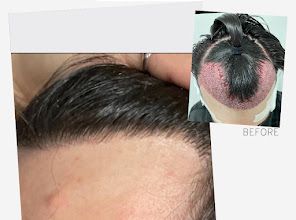
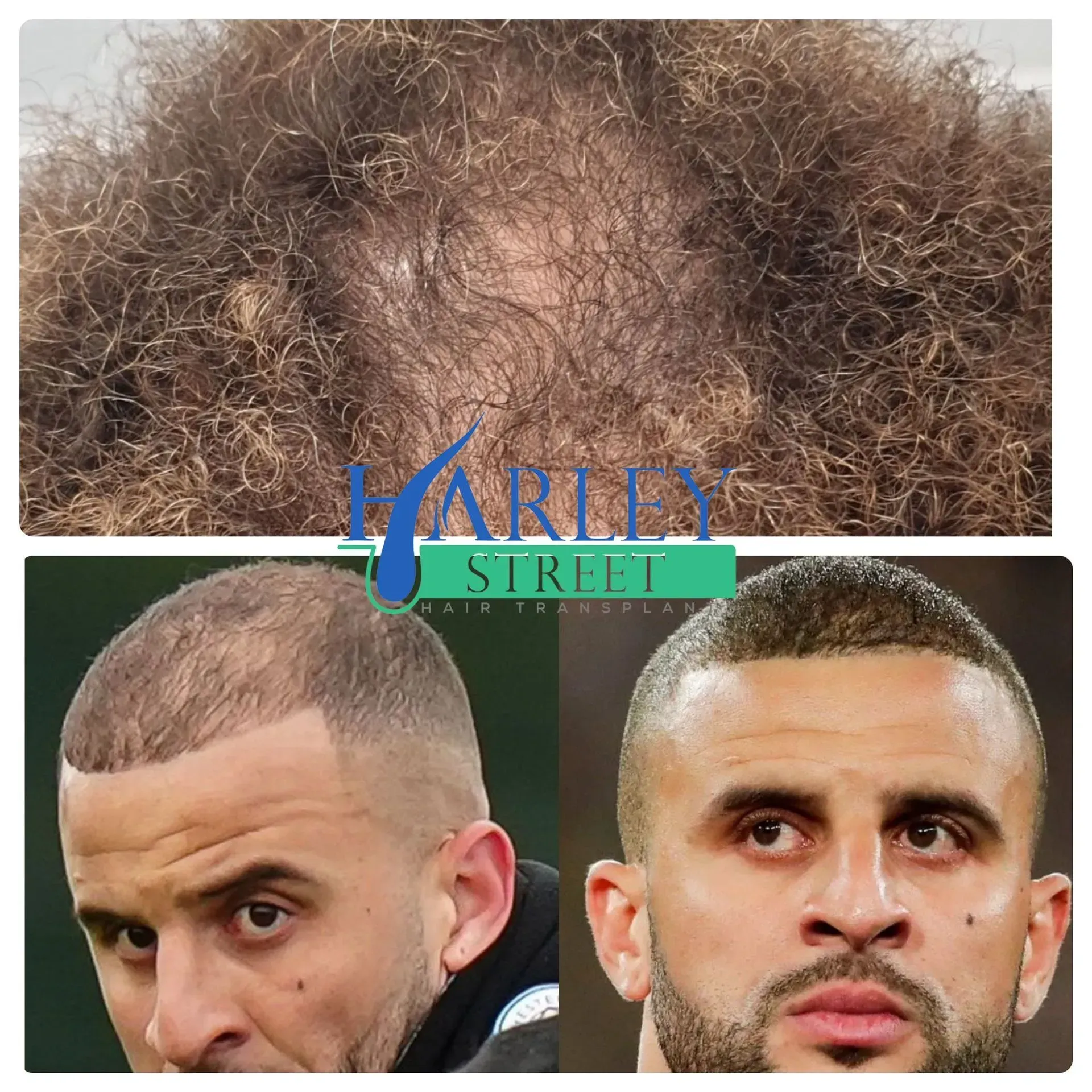
Ask for evidence about the finished product and the claimed outcome, rather than relying on a study of one ingredient in a different preparation. Before-and-after photographs also need context: lighting, styling and wetness can change how much scalp is visible. A claim about thicker-looking strands is not the same as a demonstrated increase in growing hairs.
What anti-dandruff and ketoconazole shampoos can do
Dandruff treatment has a specific purpose: controlling flaking and associated scalp symptoms. A pharmacist can help select an appropriate product. The NHS dandruff guidance recommends GP advice if symptoms persist after at least four weeks of anti-dandruff shampoo, or if the scalp is very itchy, red or swollen. Flaking elsewhere should also be mentioned.
Ketoconazole is an antifungal medicine used for conditions including dandruff and seborrhoeic dermatitis. Follow the instructions for the exact product. The NHS instructions for ketoconazole shampoo describe an initial treatment period followed, when appropriate, by less frequent maintenance use. Leaving it on longer or applying it more often is not a shortcut to a better result and can irritate the skin.
Ask which symptoms the treatment should improve and when they should be reviewed. A reduction in flakes does not, by itself, explain a receding hairline. Likewise, persistent hair thinning after the scalp feels better is a reason to revisit the diagnosis, rather than indefinitely increasing the strength or frequency of shampoo.
Building a manageable washing routine
A useful routine should leave your scalp comfortable and be practical enough to follow. There is no single washing timetable that fits every hair texture, exercise routine and scalp condition. Discuss the routine you actually use, including how you detangle and dry the hair, rather than just the brand of shampoo.
Be gentle when handling fragile hair. Avoid vigorous scratching and forceful detangling, and reconsider tight hairstyles or repeated heat and chemical treatments if breakage is a concern. The British Association of Dermatologists includes gentle hair care in its guidance on excessive shedding. If a treatment has been prescribed for your scalp, ask how ordinary washing and conditioner fit around it.
Changing several products at once makes it difficult to understand what helped or aggravated symptoms. Keep the routine simple enough to describe. You do not need an elaborate daily hair count or a large collection of supplements to prepare for an assessment.
When the problem needs more than a shampoo change
Consider the overall course of the change. Did shedding start suddenly, or has the hairline altered gradually over several years? Has there been an illness, operation, major weight change or new medicine in the preceding months? Is the scalp comfortable or painful? These are useful questions even when the hair is most noticeable during washing.
Bring a medication and supplement list, but do not stop a prescribed medicine because you suspect a connection. The clinician needs to consider both the timing and why the medicine was prescribed. Blood tests or specialist assessment may be appropriate depending on the history and scalp findings; a standard panel is not automatically necessary for everyone.
The NHS recommends speaking to a GP about concerning hair loss before paying a commercial clinic for treatment. Once a cause has been assessed, our guide to hair loss treatment options can help you prepare questions about the choices offered. Ask what the proposed treatment targets, what improvement is realistic and how the response will be monitored.
Shampoos, medicines and hair transplants have different roles
If pattern hair loss is diagnosed, the discussion may include appropriate medicines. Our hair loss medication guide explains the subjects to discuss with a prescriber, including suitability, unwanted effects and ongoing use. A shampoo marketed for thicker hair should not be assumed to provide the same benefit as an assessed medical treatment.
Surgery is a separate decision. A FUE hair transplant in Liverpool involves moving donor follicles; it does not identify the cause of an itchy scalp or treat every form of shedding. Someone worried about a new reaction to shampoo first needs that problem assessed. Surgical suitability depends on the diagnosis, donor hair, future loss and realistic expectations.
If you have already had a transplant, follow your surgical team's washing instructions. General shampoo advice cannot replace the specific plan for a healing scalp. Our hair transplant aftercare guide provides background, but new soreness, worsening symptoms or uncertainty about a product should be discussed with the team responsible for your procedure.
Questions and answers
Should I stop washing my hair if I see strands in the shower?
Seeing strands during washing does not establish that washing caused the loss. If the scalp is uncomfortable, ask how to adapt the routine and avoid the suspected irritating product. If coverage is changing, arrange an assessment rather than trying to prevent all contact with the hair.
Can a shampoo guarantee that my hair will grow back?
No product purchase should come with that assumption. Ask what condition it treats and what evidence supports the exact claim. Less flaking, easier styling and regrowth are different outcomes. The appropriate response depends on the cause of the hair change.
What should I record before an appointment?
Note the start date, scalp symptoms, product changes and relevant health events. A few photographs taken from the same angle in similar lighting can help explain the change. Bring product packaging and a list of medicines rather than trying to diagnose yourself from an ingredient list.
Is a medicated shampoo automatically gentler?
No. Medicines have specific instructions and possible unwanted effects. The UK product information for Nizoral 2% shampoo, for example, includes skin reactions. Ask a pharmacist about suitability and what to do if symptoms develop; do not assume that additional applications will improve the result.
What if the flaking improves but thinning continues?
Keep the two outcomes separate at your review. Explain that the scalp feels better but that the parting, hairline or overall density is still changing. Ask whether there is a second issue and whether the treatment plan needs further assessment.