Home › Hair Transplants › Eyebrow Transplant
Eyebrow Transplant Liverpool
Eyebrow transplantation uses selected donor grafts to rebuild part or all of a brow. Because eyebrow hairs lie close to the skin and change direction across a small area, design and recipient-site angle are central to the result.
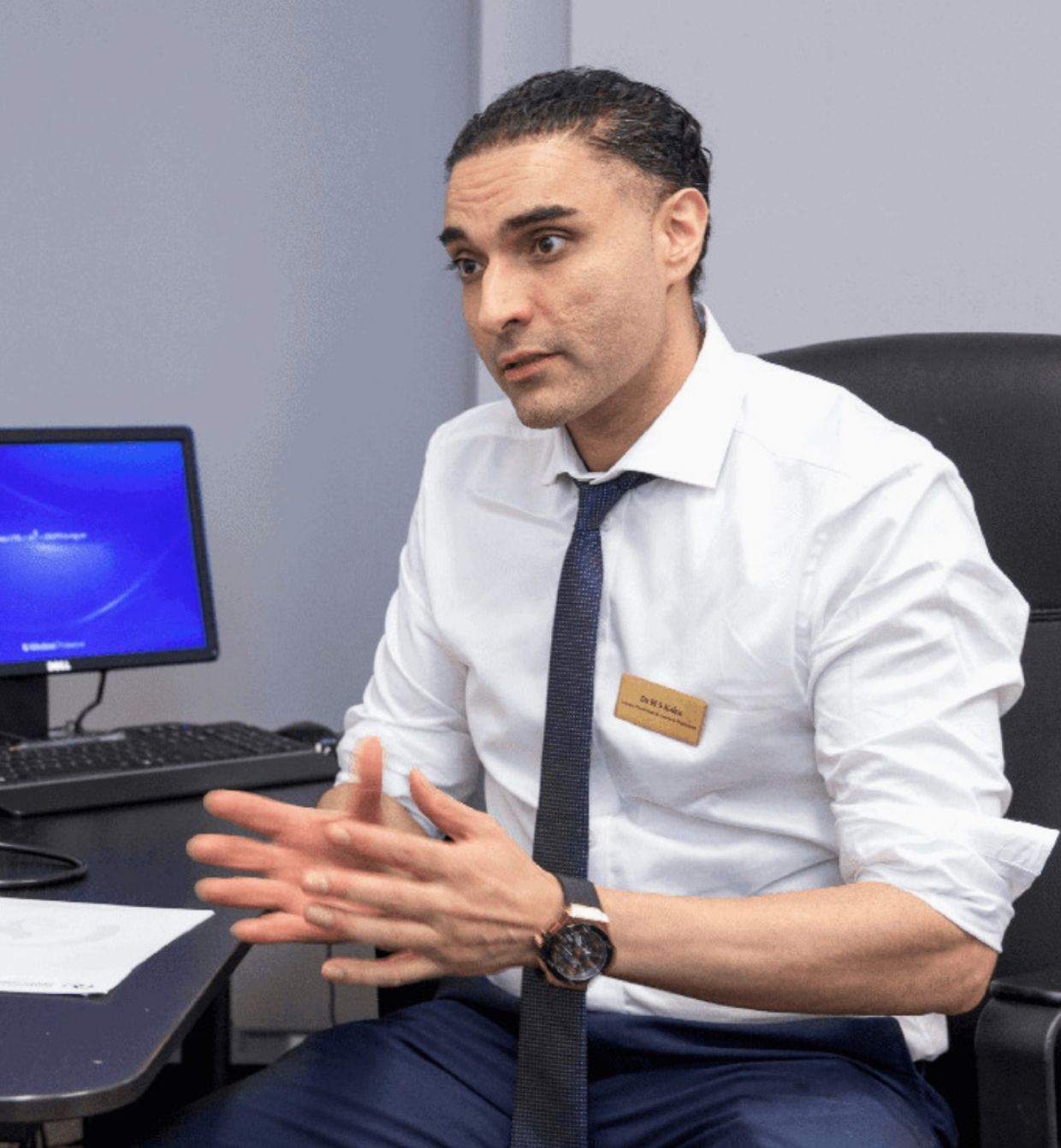
Consultations are led by Dr Harpreet Kalra, GMC 7126076, at our Liverpool city-centre clinic.
Contents [show]
What an Eyebrow Transplant Involves
Grafts are usually taken from a suitable part of the scalp and placed into small recipient sites in the eyebrow. FUE can be used to remove individual follicular units, although the harvesting choice depends on the donor hair and the wider plan. The surgeon selects fine single-hair grafts because larger multi-hair units can look heavy in the brow.
Scalp donor hair keeps many of its original growth characteristics after transplantation. It may grow longer and faster than native eyebrow hair, so regular trimming and grooming can be needed. Curl and calibre also matter: donor hair that does not sit naturally may require more maintenance and may limit suitability.
The procedure creates wounds in both the donor and recipient areas and can leave scars. Local anaesthetic is used, but injections and recovery can still be uncomfortable.
Why Eyebrows Become Thin or Patchy
Stable cosmetic or traumatic loss
Naturally sparse brows, longstanding over-plucking, injury, burns and mature scars may lead someone to consider transplantation. The surgeon still needs to examine the skin and donor supply before deciding whether grafting is sensible.
Previous cosmetic treatment
Tattooing, microblading, laser treatment or surgery can alter the skin. Existing pigment and scar tissue affect the design, and growth through scar tissue can be less predictable because its blood supply may differ from unaffected skin.
Medical causes
Alopecia areata, thyroid disease, eczema, frontal fibrosing alopecia and other conditions can affect the eyebrows. Sudden loss, itching, scaling, inflammation or simultaneous hairline recession needs medical assessment rather than immediate cosmetic treatment.
Why diagnosis comes first
A transplant moves follicles but does not treat an active cause of eyebrow loss. Operating before a condition is diagnosed or stable can put both the transplanted and remaining native hairs at risk.
Eyebrow Shape, Angle and Direction
An eyebrow is not a uniform strip of hair. The inner brow, body, arch and tail have different directions. Hairs often lie at a very acute angle to the skin and may cross or fan in a pattern that changes over only a few millimetres.
The shape is drawn with the patient sitting upright and is reviewed against facial proportions, the opposite brow and the amount of native hair. Perfect mirror symmetry is neither normal nor always achievable. The aim is controlled balance that remains believable when the face moves.
Recipient sites must be shallow enough to keep hairs close to the skin while still protecting the graft and local blood supply. A wrong angle can cause hairs to project outwards, making them difficult to groom even if they grow.
Who May Be Suitable?
Factors that may support surgery
- A clear and stable reason for eyebrow thinning or loss.
- Fine donor hair with a curl and calibre that can suit the brow.
- Healthy recipient skin or a mature scar suitable for cautious grafting.
- Realistic expectations about shape, density, growth and maintenance.
- Willingness to trim and groom transplanted scalp hair when required.
When surgery may not be the first step
Active alopecia areata, inflamed skin, continuing unexplained loss, suspected frontal fibrosing alopecia or poor donor hair can make transplantation unsuitable. A dermatology opinion or investigation may be needed first.
Very coarse or strongly curling donor hair may not behave like the remaining eyebrow hair. Suitability depends on how it is likely to sit, not merely whether grafts are available.
How Eyebrow Transplant Surgery Is Planned
1. Assessment and brow drawing
The surgeon reviews the cause of loss, skin, existing hairs, facial proportions, donor hair and medical history. The proposed shape is drawn and adjusted before surgery.
2. Donor selection and anaesthetic
A suitable donor area is chosen for hair calibre and curl. Local anaesthetic is administered to the donor and eyebrow areas. The injections can sting, and pressure or movement may still be noticed.
3. Graft harvesting
Follicular units are removed using the agreed technique. Harvesting leaves donor scars, even when individual FUE punches are used.
4. Single-hair graft preparation
Grafts are checked and prepared. Single-hair units are selected for the brow so the result does not contain obvious clumps.
5. Recipient sites and placement
Sites are created to control the changing angle and direction from the inner brow to the tail. The grafts are placed according to the approved drawing.
6. Discharge and follow-up
Patients receive written instructions and a contact route for concerns. Follow-up reviews healing first and later considers growth, direction, symmetry and grooming.
Recovery, Trimming and Risks
Early recovery
Swelling, redness, tenderness and crusting can occur around the brows. Bruising may develop around the eyes. Recovery time varies, so the return to work or social activity should not be promised as one or two days for every patient.
Some transplanted shafts may shed during early recovery. The amount and timing vary. New growth develops gradually over the following months and can look uneven before more hairs emerge.
Ongoing grooming
Transplanted scalp hair may need regular trimming because it can grow longer than native eyebrow hair. Brushing or light styling may also help guide hairs while their natural growth behaviour becomes clear.
Risks to discuss
Possible complications include bleeding, infection, swelling, bruising, folliculitis or cysts, visible scarring, poor graft growth, asymmetry, pitting or cobblestoning and hairs growing at an awkward angle or direction.
Scar tissue can make growth less predictable. No clinic can guarantee exact symmetry, complete graft survival or a lifelong cosmetic appearance.
Worsening pain, redness, swelling, discharge or visual symptoms should be reported promptly to the treating clinic.
Read the full hair transplant aftercare guide and growth timeline.
Eyebrow Transplant Cost in Liverpool
The current Liverpool eyebrow page gives a general price guide of £2,000–£3,500 for full restoration. That range is not an individual quote. A smaller scar or gap may need a different plan, and the final fee depends on the design, graft requirement, donor complexity, previous treatment and operating time.
Ask for the agreed brow drawing, estimated graft range, donor site, who performs each surgical stage and the full written price. Cost comparisons should also account for follow-up and the possibility that density or symmetry may remain limited.
See the detailed Liverpool hair transplant cost guide.
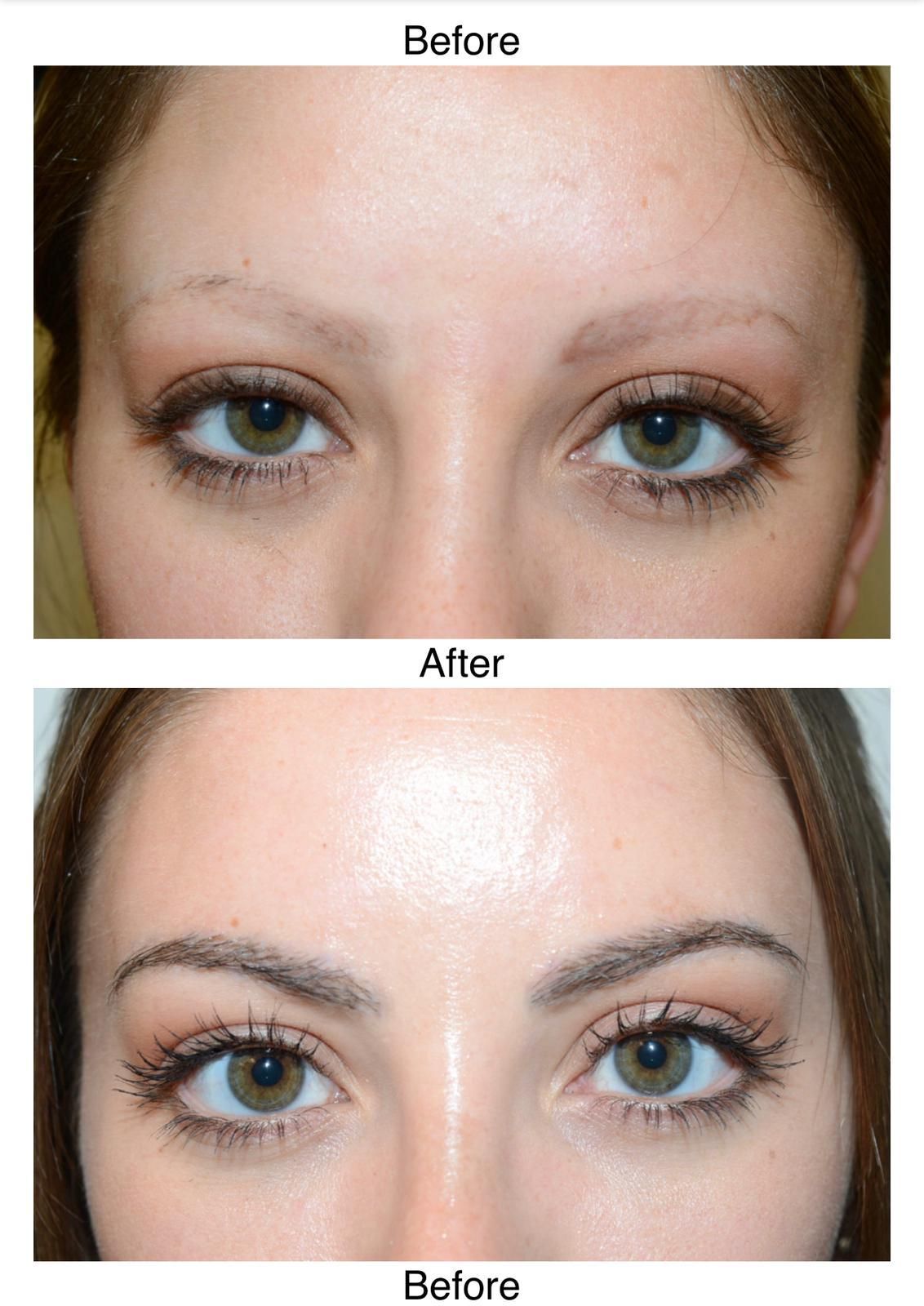
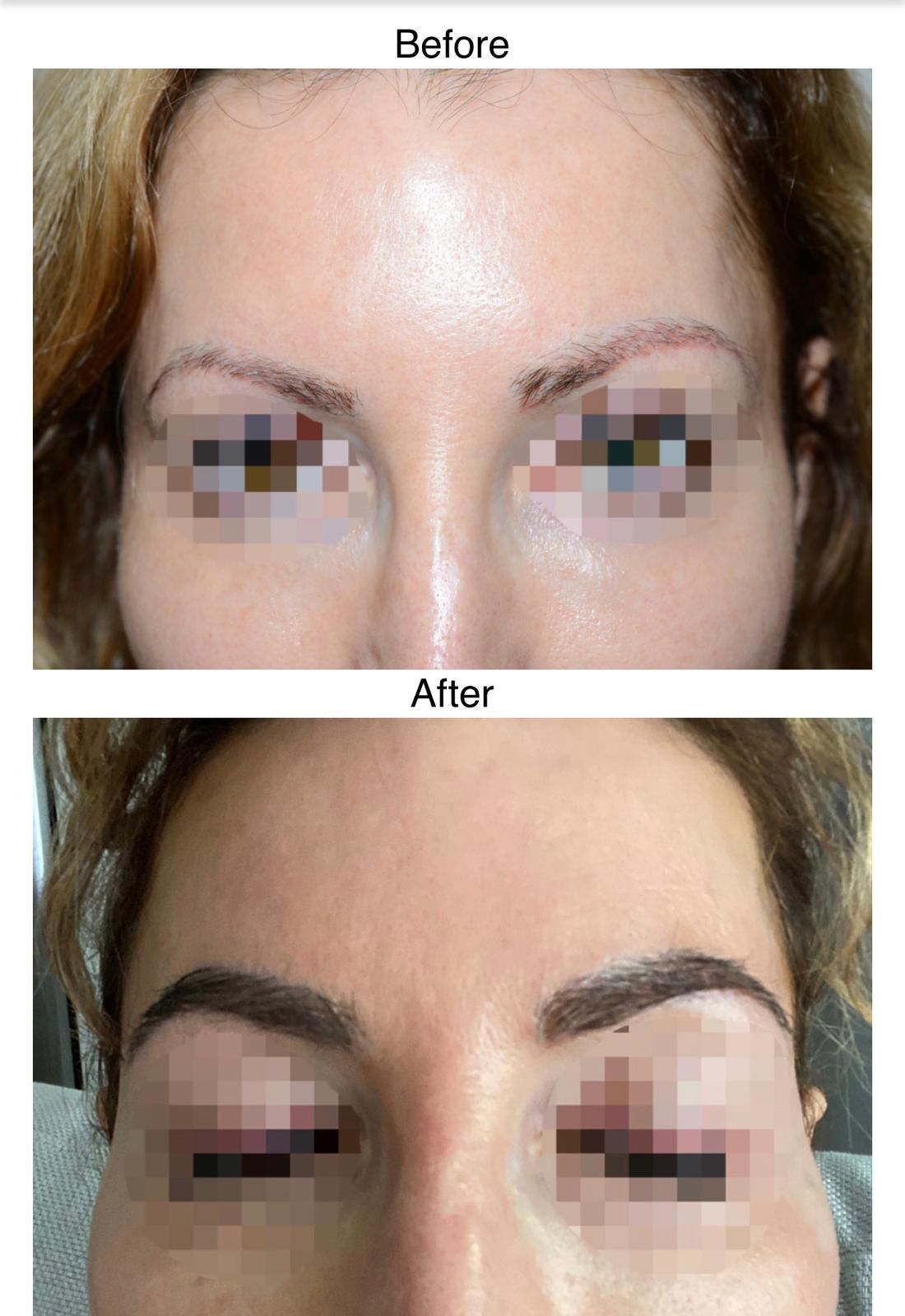
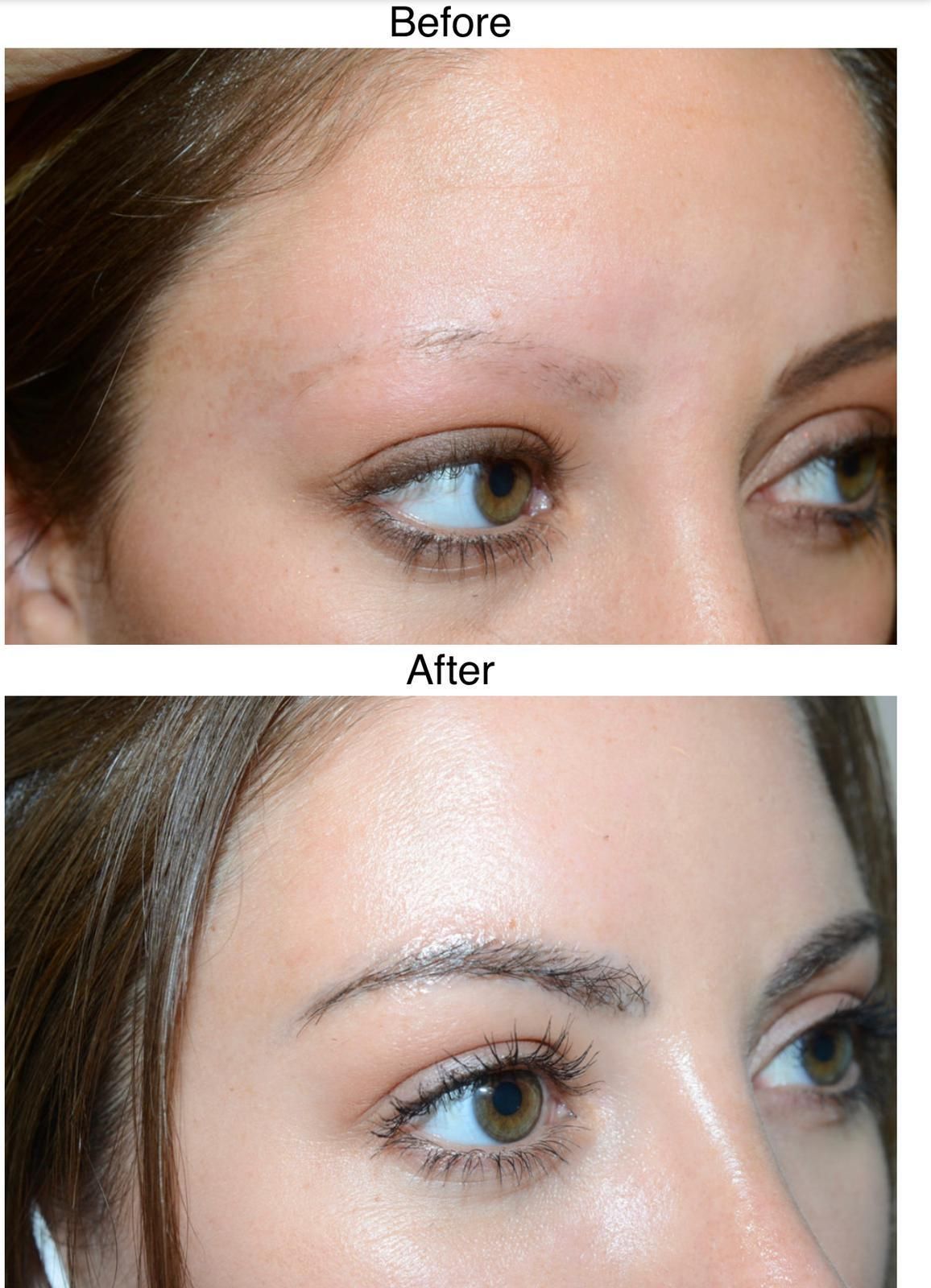
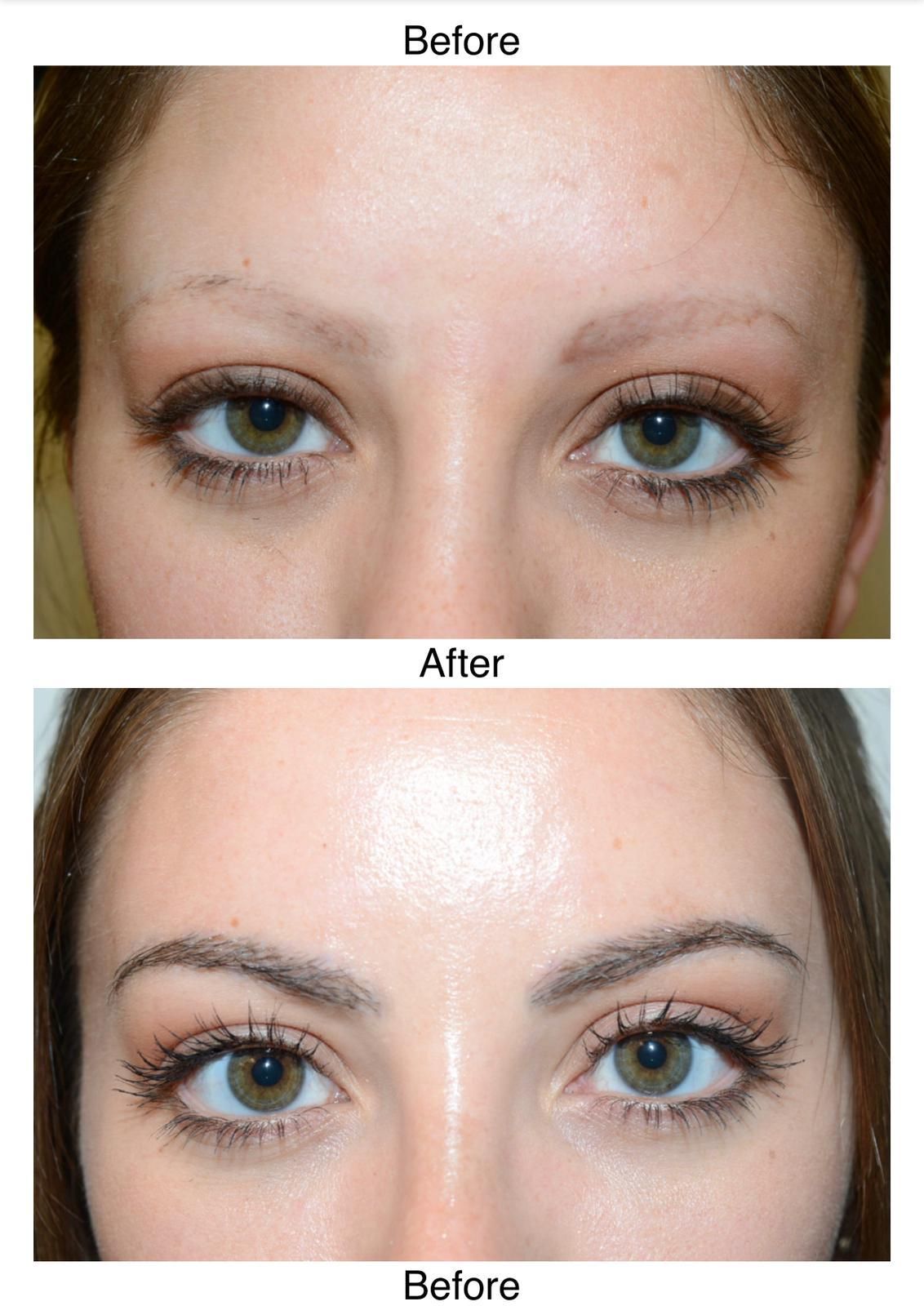
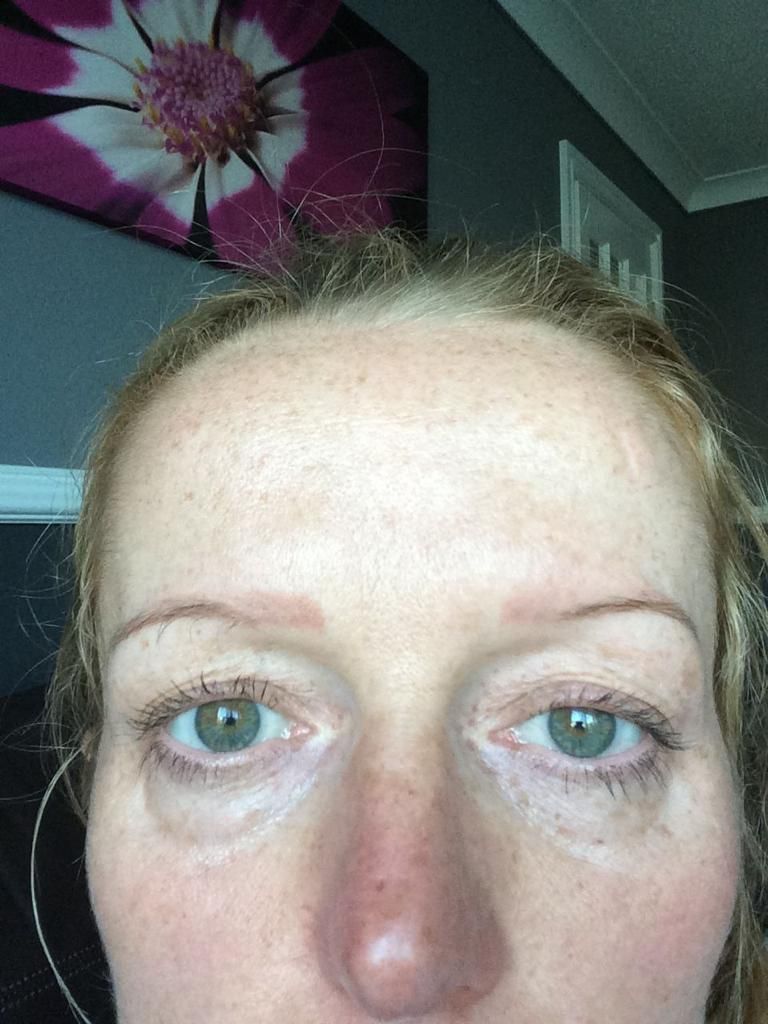
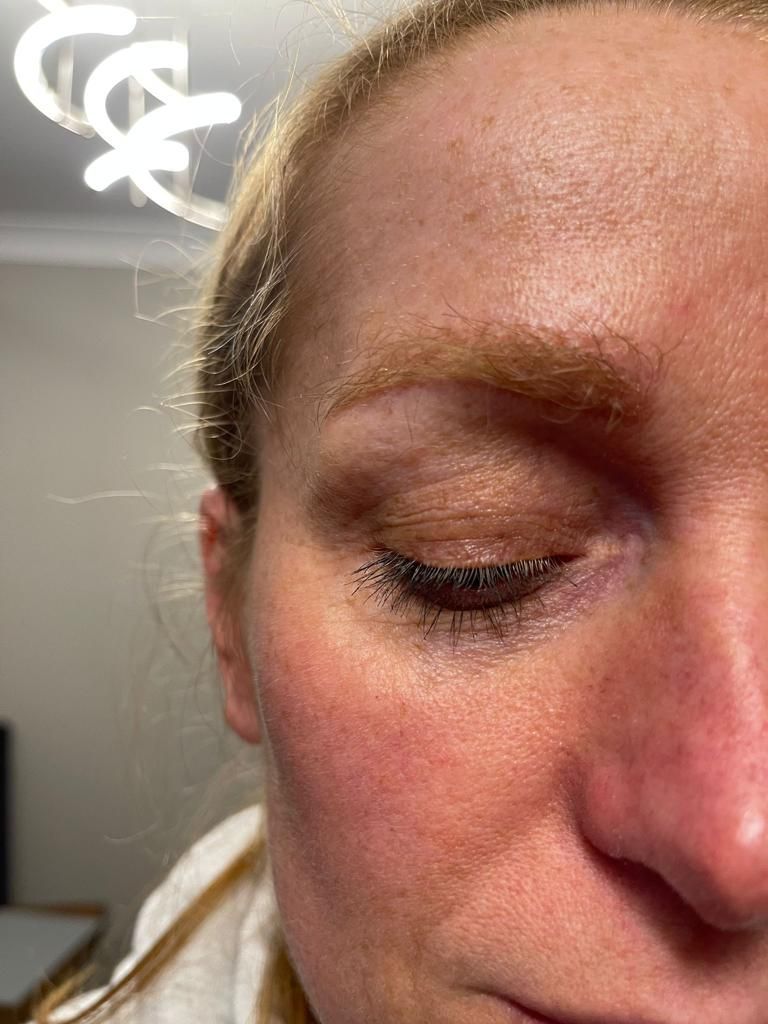
Existing Liverpool Eyebrow Results
All six before-and-after images from the current eyebrow page are retained. Results vary with donor hair, skin condition, scar tissue, graft survival, direction, healing and grooming.
Related Hair-Restoration Options

FUE
Individual graft harvesting with donor-density planning.

FUT
Strip harvesting with a linear donor closure.

PRP
A separate non-surgical option requiring realistic expectations.

Eyebrows
Fine placement planned around angle and direction.

Beard
Facial-hair design using suitable donor grafts.

Women
Diagnosis-led planning for suitable patterns of loss.
Eyebrow Transplant Questions
Does an eyebrow transplant hurt?
Local anaesthetic is used, but the injections can be uncomfortable and patients may notice pressure or movement. Tenderness, swelling or bruising can occur afterwards. Severe or worsening pain should be reported.
Will transplanted eyebrow hair need trimming?
Often, yes. Scalp donor hair may retain a longer growth pattern than native eyebrow hair, so regular trimming and grooming can be needed.
Does eyebrow transplantation leave scars?
Yes. Graft harvesting leaves donor scars and recipient placement creates small wounds in the brow. Visibility varies with the method, skin response, previous scar tissue and healing.
Can eyebrow hair loss always be transplanted?
No. Active alopecia areata, inflamed skin, continuing unexplained loss and some scarring conditions may make surgery unsuitable. Diagnosis and stability need to be established first.
How long can an eyebrow transplant last?
Transplanted follicles may continue growing for many years, but no lifelong result can be guaranteed. Graft growth, medical conditions, ageing, scarring and changes in native eyebrow hair can affect the appearance.
Read the clinical review of eyebrow restoration and graft direction, and check the surgeon on the GMC medical register.
