
Home › About › Dr Harpreet Kalra
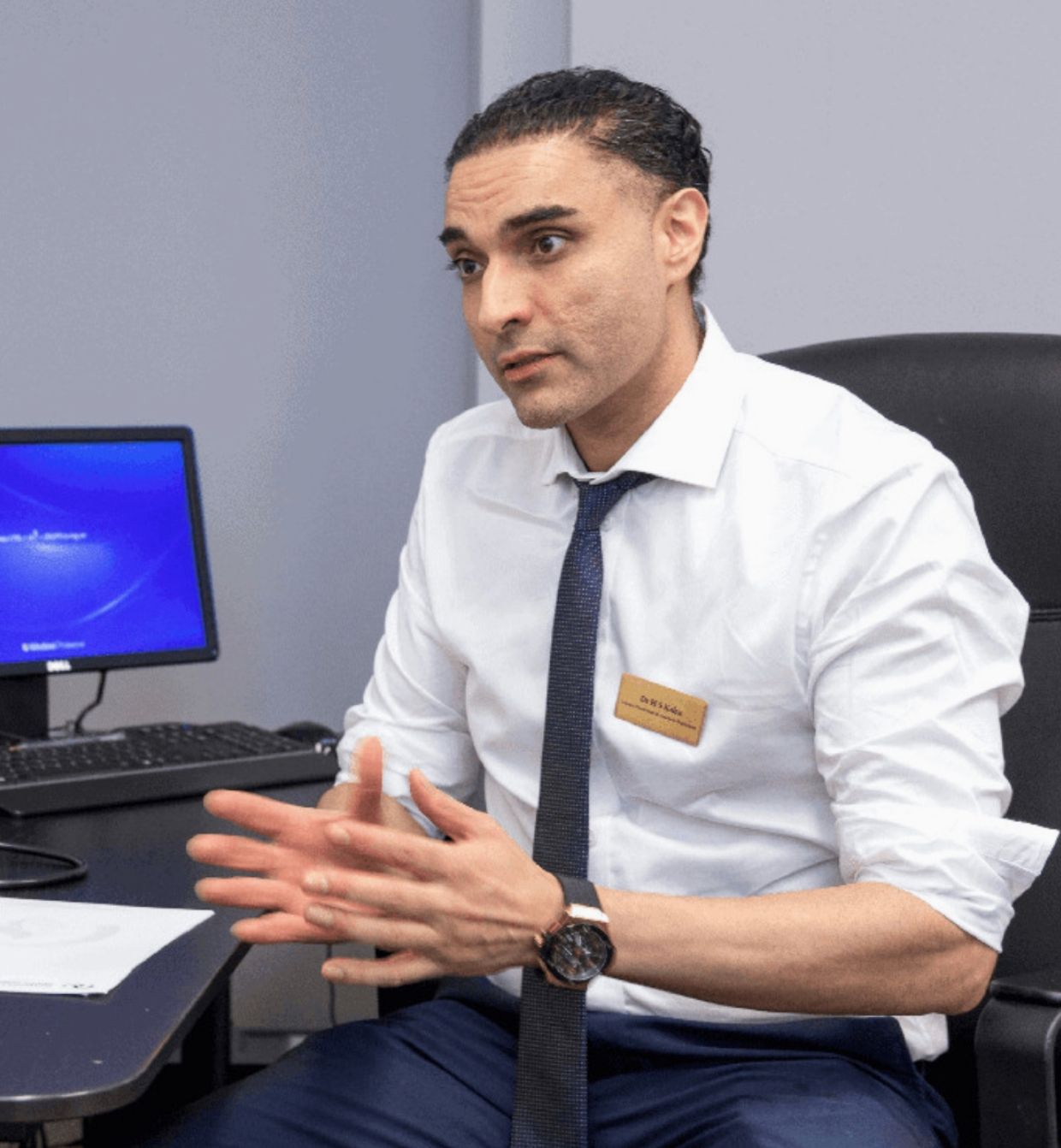
Dr Harpreet Kalra
Hair transplant surgeon at Liverpool Hair Transplant Clinics. Dr Kalra assesses the cause and pattern of loss, the donor supply and the practical limits of surgery before a treatment plan is agreed.
Contents [show]
Hair Transplant Assessment in Liverpool
General Medical Council reference: 7126076
Dr Kalra leads hair transplant consultations for the Liverpool clinic. His role is to decide whether surgery is a reasonable option, explain the methods that may fit the patient and set out the limitations as clearly as the potential benefits.
Check the Doctor, Provider and Treatment Location
A GMC number identifies an individual doctor; it is not the same as registration of a clinic or treatment location. Patients should complete both checks and make sure the names and address match the consent and booking paperwork.
Doctor check
Search the GMC medical register for Harpreet Kalra and reference 7126076. Review the current registration status and any information shown by the regulator.
Provider check
Confirm which legal provider is responsible for the procedure and verify the exact treatment address in the CQC service directory. Ask if anything in the paperwork is unclear.
What Dr Kalra Assesses
Hair loss and scalp
- When the loss began and how it has changed
- Distribution, miniaturisation and scalp symptoms
- Family history and likely future pattern
- Health conditions, medicines and previous treatment
- Signs that need GP or dermatology assessment
Donor area and goals
- Density at the back and sides
- Hair calibre, curl and colour contrast
- Previous extraction, strip scars or scalp surgery
- Usual hairstyle and tolerance of visible scarring
- Priority areas and an age-appropriate design
Hair loss is not a single diagnosis. Pattern loss, diffuse thinning, traction, alopecia areata, inflammatory disease, illness and medication-related shedding need different advice. If the cause is unclear or active, investigation may come before surgery.
Planning Around the Donor Supply
A hair transplant moves follicles rather than creating more of them. Dr Kalra’s plan must balance the visible recipient area with the supply at the back and sides, the density that can be left behind and the chance that untreated native hair changes later.
For a frontal hairline, fine grafts, irregularity and direction matter. A crown transplant follows the whorl and can use many grafts because of the surface area. Afro-textured hair needs assessment of curl below the skin. Diffuse thinning in women can extend into the proposed donor area.
Previous surgery changes the calculation. FUE extraction patterns, linear scars and recipient scarring can limit what is available. Grafts may grow through some mature scars, but altered blood supply makes the outcome less predictable.
Methods Discussed During Consultation
FUE
Follicular unit extraction removes grafts individually with small punches. It leaves small circular donor scars and can cause visible thinning if harvesting is excessive or poorly distributed.
FUT
Strip harvesting can provide grafts while leaving a linear donor scar. Scalp laxity, hairstyle, graft requirements and previous surgery influence whether it is suitable.
DHI
DHI usually describes use of an implanter pen for placement. The donor grafts still require a harvesting method. The name does not decide recovery, scar visibility or graft growth.
Non-surgical discussion
Depending on the diagnosis, the consultation may cover monitoring, prescribed medication or PRP. Each has its own evidence, risks and limits. A commercial treatment should not replace investigation of a medical cause.
Consent, Risk and Realistic Outcomes
Consent is a discussion, not a signature collected on the treatment day. Patients need time to understand the proposed method, scars, recovery, costs, alternatives, expected range of change and the option of no surgery.
Hair transplantation can involve bleeding, infection, swelling, altered sensation, anaesthetic reaction, cysts or folliculitis, donor thinning, visible scarring, poor graft growth and an unnatural result. Risk depends on the person, procedure and extent of surgery.
Transplanted follicles are chosen from areas expected to be more resistant to pattern loss, but individual graft survival varies and native hair can continue thinning. The design therefore needs to remain workable if the surrounding hair changes.
Questions to Ask Dr Kalra
- What is the likely diagnosis?
- Why is surgery suitable now?
- How was the donor capacity assessed?
- Why is this method recommended?
- How were the design and graft range chosen?
- Who performs each surgical step?
- What scars should I expect?
- What can change the result?
- How are urgent concerns handled?
- What happens if I decide against surgery?
The hair transplant FAQ provides further background, while the aftercare guide explains the questions to settle before treatment day.
Meet Dr Kalra at the Liverpool Clinic
Contact
Call 0151 380 0009 or email info@liverpoolhairtransplantclinics.co.uk.
Appointments are arranged in advance. Confirm the consultation or treatment location when booking.
