
Home › About Liverpool Hair Transplant Clinics
About Liverpool Hair Transplant Clinics
Liverpool Hair Transplant Clinics provides consultation-led hair restoration from a city-centre location. Every surgical plan starts with the cause and pattern of hair loss, the donor supply and the patient’s priorities.
Consultations are led by Dr Harpreet Kalra, GMC 7126076.
Contents [show]
A Liverpool Clinic Focused on Proper Assessment
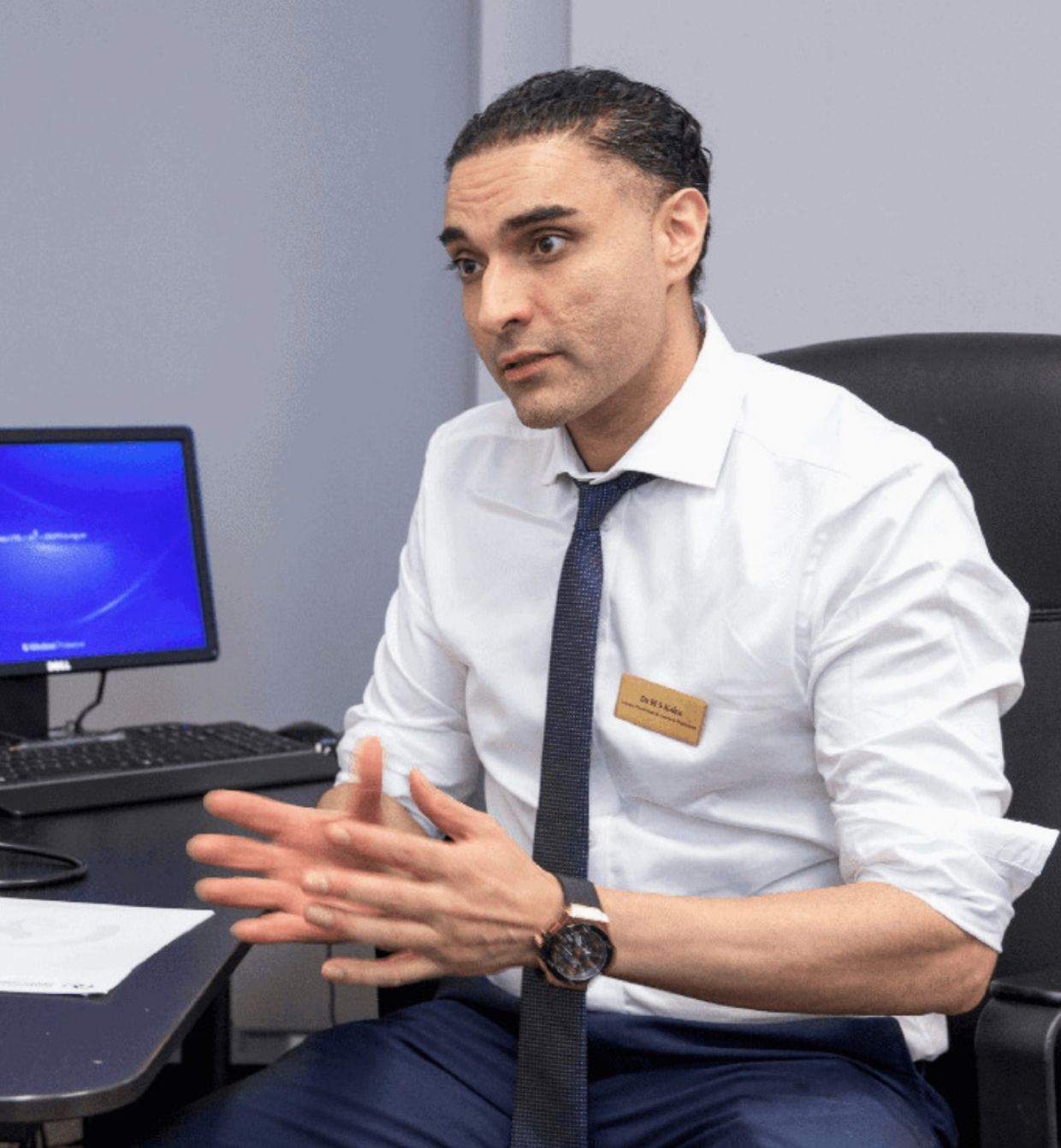
Hair loss is not one diagnosis. Pattern hair loss, diffuse thinning, traction, alopecia areata, scarring conditions, illness and medicines can create different patterns and require different advice. Surgery is only considered after the history, scalp and donor area have been examined.
The clinic discusses scalp, hairline, crown, eyebrow and beard restoration. Some people are better served by medical investigation, monitoring or a non-surgical option. A consultation should be allowed to end with no operation recommended.
The aim is a plan that uses the donor area responsibly and remains believable as native hair changes. A high graft number is not automatically a better plan if it thins the donor area or leaves too little reserve for later.
Dr Harpreet Kalra
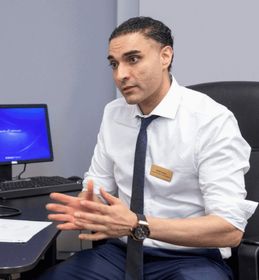
Dr Harpreet Kalra is the clinic’s hair transplant surgeon. His General Medical Council reference number is 7126076. Patients should check any doctor on the GMC medical register and confirm who will perform each part of an operation before consenting.
Dr Kalra assesses donor density, hair calibre, scalp health, miniaturisation and the likely future pattern of loss. He discusses FUE, FUT and DHI in practical terms, including scars, recovery, limitations and alternatives.
Check GMC registration or read the full Dr Kalra profile.
What a Hair Transplant Consultation Should Establish
Diagnosis and medical history
The discussion covers when the loss began, how it has changed, family history, scalp symptoms, health conditions, medicines and previous hair treatment. Sudden, patchy or inflamed loss may need investigation before cosmetic surgery is considered.
Your priorities
The surgeon needs to know which areas concern the patient most, how the hair is normally worn and what level of change would feel worthwhile. These points influence the design as much as the visible size of a thin area.
Donor measurements
The back and sides of the scalp are checked for density, miniaturisation, hair calibre and previous extraction. A recipient photograph alone cannot establish suitability.
Consent without pressure
Patients need time to consider benefits, limitations, scars, recovery, cost and the option of doing nothing. The proposed method, graft range, operator and follow-up arrangements should be clear in writing.
Planning Around a Finite Donor Supply
A hair transplant moves existing follicles; it does not create a new supply. The design therefore has to account for the donor area, current recipient zones and hair that may thin later. Aggressive harvesting can leave visible donor depletion even when each extraction scar is small.
Hairline work uses fine grafts and age-appropriate placement. Crown surgery follows the whorl and can consume many grafts because of its surface area. Women with diffuse thinning need particular care because miniaturisation may extend into the proposed donor area. Afro-textured hair requires assessment of curl below the skin as well as the visible shaft.
Previous surgery and scar tissue change the calculation. Growth through a mature scar may be possible, but altered blood supply can make it less predictable. No method can promise invisible scarring or a fixed density.
Hair Restoration Methods Available for Assessment
FUE hair transplantation
FUE removes follicular units individually with small punches. It avoids a strip incision but leaves many small circular donor scars. Extraction spacing and donor management matter because overharvesting can create a moth-eaten appearance.
FUT hair transplantation
FUT removes a strip of donor scalp that is dissected into grafts. It leaves a linear donor scar. Scalp laxity, hairstyle, previous surgery and graft requirements influence whether it is suitable.
DHI implantation
DHI usually describes graft placement with an implanter pen. Donor grafts still have to be harvested by FUE or another method. The name alone does not establish healing time, scar visibility or graft growth.
Non-surgical discussion
Depending on the diagnosis, patients may ask about prescribed hair-loss medicines or PRP. These options have their own evidence, risks and limitations and should not be described as a substitute for diagnosis.
Safety, Regulation and Questions Worth Asking
Hair transplantation is surgery. Possible complications include bleeding, infection, reaction to anaesthetic, swelling, altered sensation, folliculitis or cysts, visible scarring, poor graft growth, donor thinning and an unnatural result. Individual risk depends on health, technique, treatment size and healing.
Before booking, confirm the full name and GMC number of the operating doctor, the regulated provider and treatment location named in the paperwork, who performs harvesting and recipient-site creation, and how urgent postoperative concerns are handled. CQC registration and a doctor’s GMC registration are separate checks.
The NHS advises speaking to the surgeon about qualifications, experience, complications and follow-up. Read the NHS hair transplant guide, search the CQC service directory and check the GMC medical register.
Existing Liverpool Patient Images
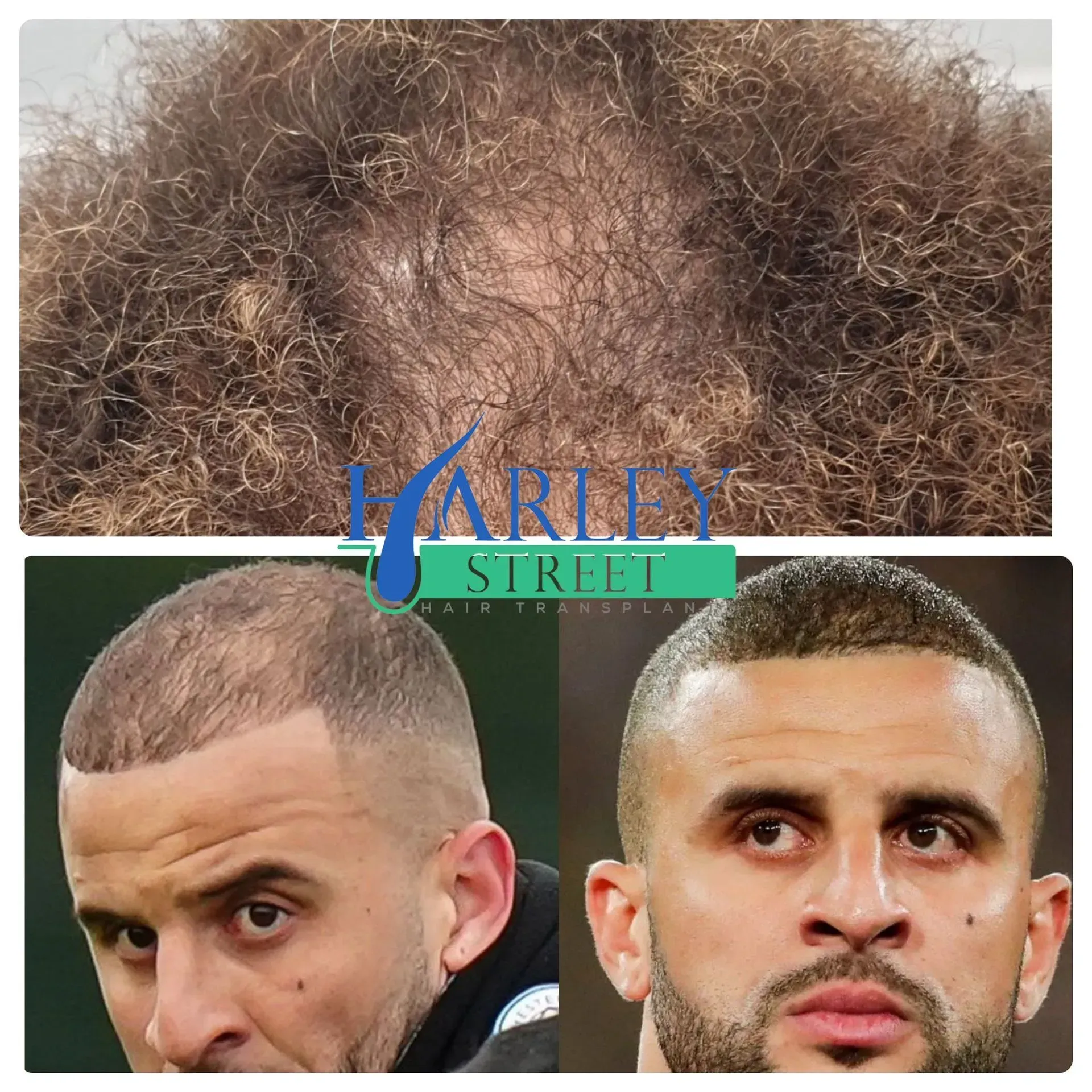
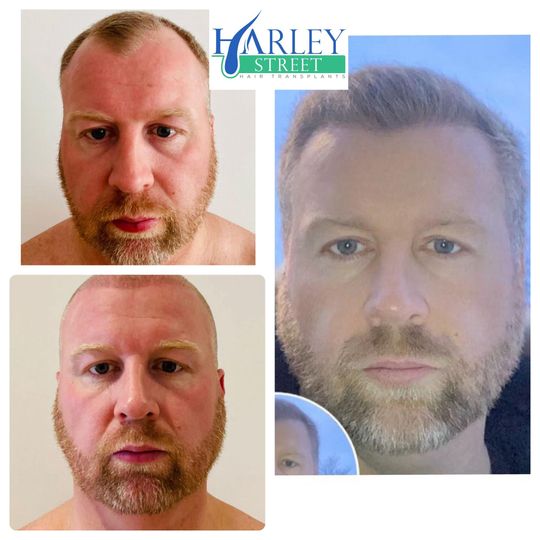
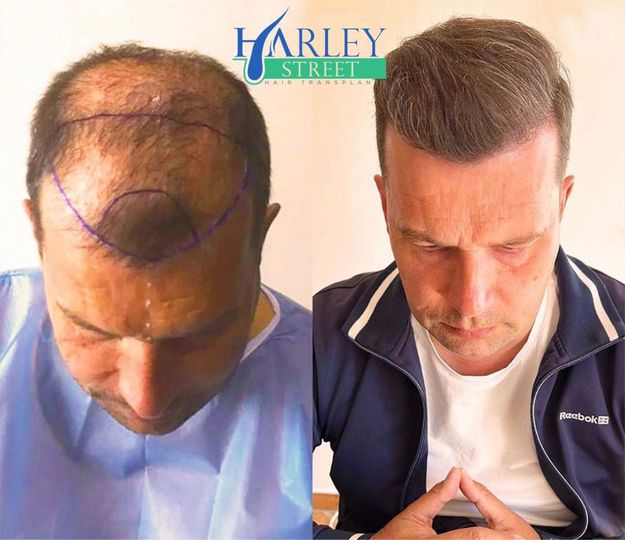
All three patient images from the current About page are retained. They are individual examples, not a forecast. Appearance varies with diagnosis, donor supply, hair characteristics, graft growth, healing and later native-hair loss.
Hair Transplant Treatments in Liverpool

FUE
Individual graft harvesting planned around donor density.

FUT
Strip harvesting with a linear donor closure.

PRP
A separate non-surgical option with its own limitations.

Eyebrows
Fine graft placement planned around brow direction.

Beard
Facial-hair design using suitable donor grafts.

Women
Diagnosis-led planning for suitable patterns of loss.
Visit Liverpool Hair Transplant Clinics
Contact
Call 0151 380 0009 or email info@liverpoolhairtransplantclinics.co.uk.
Appointments are arranged in advance. Confirm the consultation or treatment location when booking.
