Mo Salah Hair Transplant: What Is Confirmed?
Home › Hair Transplant Blog › Mo Salah Hair Transformation
Mo Salah Hair Transplant: What Is Confirmed?
Changes in Mohamed Salah’s hairstyle and visible hairline have led to widespread transplant speculation. Photographs alone cannot establish whether he has had surgery and should not be presented as a diagnosis.
Contents [show]

Clinical context: Dr Harpreet Kalra, GMC 7126076, leads consultations at Liverpool Hair Transplant Clinics. The discussion below covers general hair-restoration principles and does not diagnose Mohamed Salah.
Did Mo Salah Have a Hair Transplant?
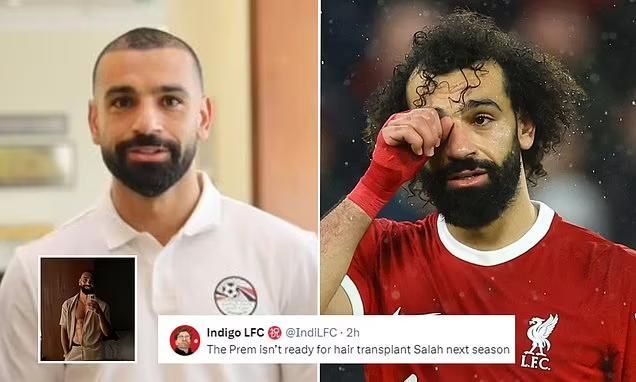
This article does not establish that Salah has had surgery. His hair has looked different across public appearances, but a different haircut, hair length, styling and photographic conditions can all change the visible shape and density.
A photograph does not establish a procedure, date, method or graft number. The following sections explain how to assess hairline changes and what a personal consultation can tell you.
Why Mo Salah’s Hair Can Look Different Between Photographs
Hair length and curl
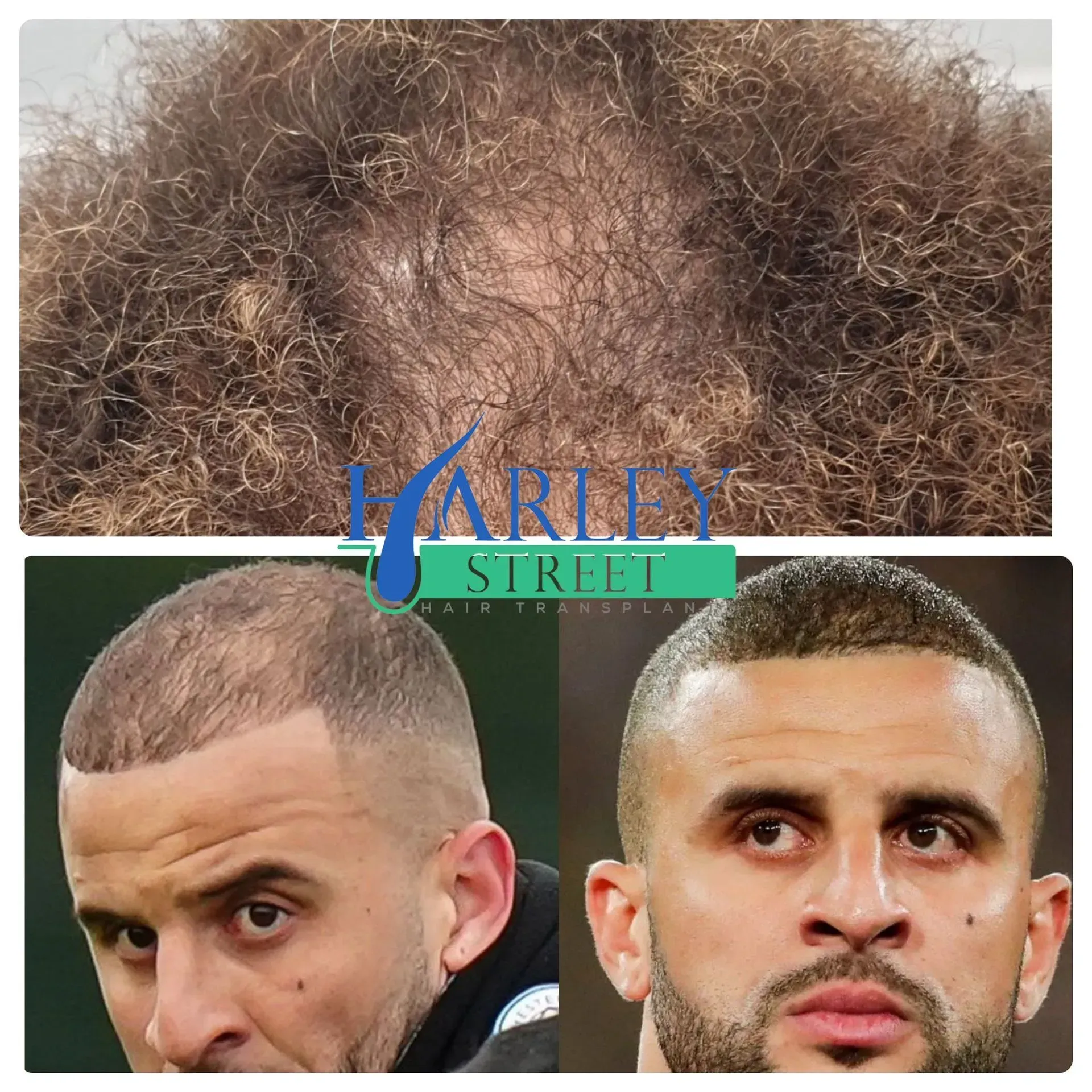
Longer curls can overlap and hide more scalp, while a close cut exposes the hairline and temple corners. Curl pattern, humidity, drying and styling products also change apparent volume.
Lighting and angle
Stadium floodlights, overhead sunlight and flash can make scalp show through. A lower camera angle can hide recession that becomes obvious from above.
Cosmetic or medical options
Hair fibres, colour products, scalp micropigmentation, prescribed treatment and surgery can each alter appearance. Public images do not reveal which, if any, were used.
Image processing
Sharpening, compression, filters and retouching can change hair edges and contrast. Comparing images from different publishers is therefore weaker than standardised clinical photography.
Hairline Recession and Pattern Hair Loss
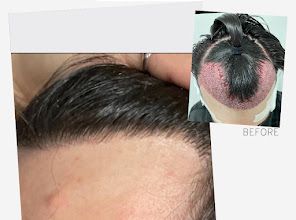
Androgenetic alopecia can produce temple recession, a change through the frontal scalp, crown thinning or a combination. The pattern develops at different rates and may be partly hidden by longer hair.
A diagnosis requires more than a photograph. A consultation reviews the history and rate of change, family pattern, scalp symptoms, medicines and previous treatment. The surgeon examines both the recipient areas and the donor region for density and miniaturisation.
Sudden shedding, patchy loss, inflammation or a weak donor area can point away from a straightforward transplant plan. The NHS recommends establishing the cause of hair loss before approaching a commercial clinic.
Could FUE, FUT or DHI Produce a Hairline Change?
FUE
FUE removes follicular-unit grafts individually with small punches. It leaves many small circular donor scars. The grafts can then be placed into a planned hairline or other thinning area.
FUT
FUT removes a strip of donor scalp that is dissected into grafts. The donor wound is closed and leaves a linear scar.
DHI
DHI usually describes graft placement with an implanter pen. It does not identify how the donor grafts were obtained and is not evidence that a named person had a particular procedure.
Method cannot be read from the result
A healed hairline does not reliably reveal whether grafts were placed with forceps or an implanter. Donor examination, records and the patient’s account would be needed.
What a Hair Transplant Timeline May Look Like
Early redness, crusting and swelling can follow surgery. Some transplanted shafts may shed during the following weeks, although the amount varies and some patients notice little. New growth develops over later months rather than appearing immediately.
NHS guidance says new hair will usually start appearing after about four months and the appearance may continue developing over 10 to 18 months. These are broad ranges, not a method for dating surgery from public photographs.
Hair length, curl and styling can disguise the early stages. Medication or cosmetic products can overlap with the same period. A visual sequence may be consistent with several explanations and does not prove one.
Read the detailed hair transplant timeline, shedding guide and aftercare guide.
Why the Article Does Not Diagnose Salah
Hair loss and cosmetic treatment are medical matters, even when the person is famous. Reporting a visible change is different from stating that a named person underwent surgery.
Without direct confirmation or authorised clinical information, a clinic should not use celebrity speculation as a patient endorsement. Nor should it invent a graft number, procedure date or outcome.
This distinction matters to readers as well. A celebrity’s apparent density does not predict what can be achieved with a different donor supply, hair calibre, curl, pattern of loss or medical history.
Assessing Your Own Hairline in Liverpool
A personal consultation can answer questions that photographs cannot. Dr Harpreet Kalra examines the scalp and donor area, reviews the pattern and rate of loss, and discusses whether surgery or another approach is appropriate.
A hairline design should consider age, facial proportions, temple angles, hairstyle and future recession. Fine single-hair grafts are commonly used at the edge, with suitable larger units behind. The plan must protect enough donor reserve for later needs.
Read the Liverpool hairline transplant guide, donor-area guide and cost guide.
Mo Salah Hair Transplant Questions
Has Mohamed Salah confirmed a hair transplant?
This article does not report a verified statement from Salah about treatment. Online commentary and photographs are not confirmation.
Do changes in temple density prove FUE?
No. Hair length, styling, lighting, fibres, medical treatment, surgery and image processing can all change the visible temples. A photograph does not establish a procedure.
Can curly hair make density look different?
Yes. Curl and longer hair can overlap and cover more scalp, while a close cut or wet hair can expose it. The same person can look markedly different across images.
Can a transplant stop future hair loss?
No. Transplantation redistributes selected donor follicles but does not stop native hair from thinning. Planning should preserve donor reserve and account for later change.