Home › Treatments › Scar Repair
Hair Transplant Scar Repair in Liverpool
Grafts can sometimes soften the appearance of a mature FUT, FUE or other scalp scar. Scar tissue has altered structure and blood supply, so growth and density are less predictable than in untreated scalp.
Contents [show]
Which Scalp Scars May Be Considered?
Hair transplant scars
FUT leaves a linear donor scar. FUE leaves many small circular scars and can produce wider patchy thinning if extractions were concentrated. Recipient sites and previous repair work can also scar.
Other stable scalp scars
Selected mature scars from injury, surgery or a resolved condition may be assessed. Burns, active inflammatory disease, unstable scars and a tendency to form raised scars need particular caution or specialist input.
The cause matters. A scar from an active scarring alopecia is not equivalent to a quiet surgical line. Transplanting into active disease may fail and can worsen inflammation.
How Scar Tissue Is Assessed
The clinician checks the cause, age, colour, thickness, flexibility, symptoms, location and blood supply of the scar. Redness, pain, itching, thickening or ongoing change can mean the tissue is not ready for cosmetic grafting.
Donor density and previous extraction are examined separately. Repair is limited by what remains, not by the size of the scar alone. Operative records and photographs can help establish what was done before.
A dermatologist or plastic surgeon may be more appropriate where the diagnosis is uncertain, the scar is raised or unstable, or surgical revision is being considered.
How Hair Is Grafted into a Scar
Suitable follicular units are harvested by the agreed donor method and placed into recipient sites within or around the scar. Density is often kept conservative because scar tissue may have less dependable circulation than normal scalp.
A small test area or staged sessions can be useful where growth is uncertain. The first session shows how the tissue accepts grafts before more donor hair is committed. Even when shafts grow, colour and surface texture can leave part of the scar visible.
Fine angle and direction help the new hair blend with neighbouring hair. A scar cannot be treated as blank skin if the surrounding donor pattern is already thin.
Repairing a Linear FUT Scar
A widened FUT scar can sometimes be revised surgically, grafted with FUE follicles, camouflaged with scalp micropigmentation or managed with a longer hairstyle. The best choice depends on scar width, scalp laxity, donor supply and the reason it widened.
Placing grafts does not narrow the tissue; it attempts to break up the visible line with hair. Growth may be patchier than in unscarred scalp. A further FUT excision can also widen again if tension or healing factors remain.
Read the FUT guide for the original harvesting method and closure considerations.
Can FUE Overharvesting Be Repaired?
Patchy donor thinning after FUE is different from one linear scar. Options depend on remaining scalp donor density, beard or body-hair suitability, hairstyle, skin contrast and the extent of depletion.
Taking more scalp grafts from the same depleted area can make the problem worse. Selected grafting into gaps or scalp micropigmentation may soften contrast, but neither recreates the original donor density.
The donor area guide explains extraction spacing, miniaturisation and why the supply does not renew.
Alternatives to Hair Grafting
Scar revision
Some linear scars may be assessed for excision and re-closure by an appropriate surgeon. Laxity, tension and scar behaviour determine whether this is sensible.
Scalp micropigmentation
Deposited pigment can reduce colour contrast, especially with short hair. Pigment colour, fading, skin type and the operator’s experience need consideration.
Hairstyle and camouflage
Changing hair length or direction can hide a donor scar without another procedure. Fibres and cosmetic products may help selected areas once the skin is healthy.
No further procedure
Where donor supply is poor or the scar is unstable, avoiding another operation may be the safest recommendation.
Risks and Limits of Scar Repair
Possible problems include bleeding, infection, swelling, altered sensation, visible new donor scars, poor or uneven graft growth, cysts or folliculitis, pigment mismatch, further widening and dissatisfaction with remaining skin texture.
No method erases scar tissue. The aim is usually camouflage or reduction in contrast. The patient should understand the chance of limited growth and the possible need for staged treatment before using more donor follicles.
Hair Transplant Scar Assessment in Liverpool
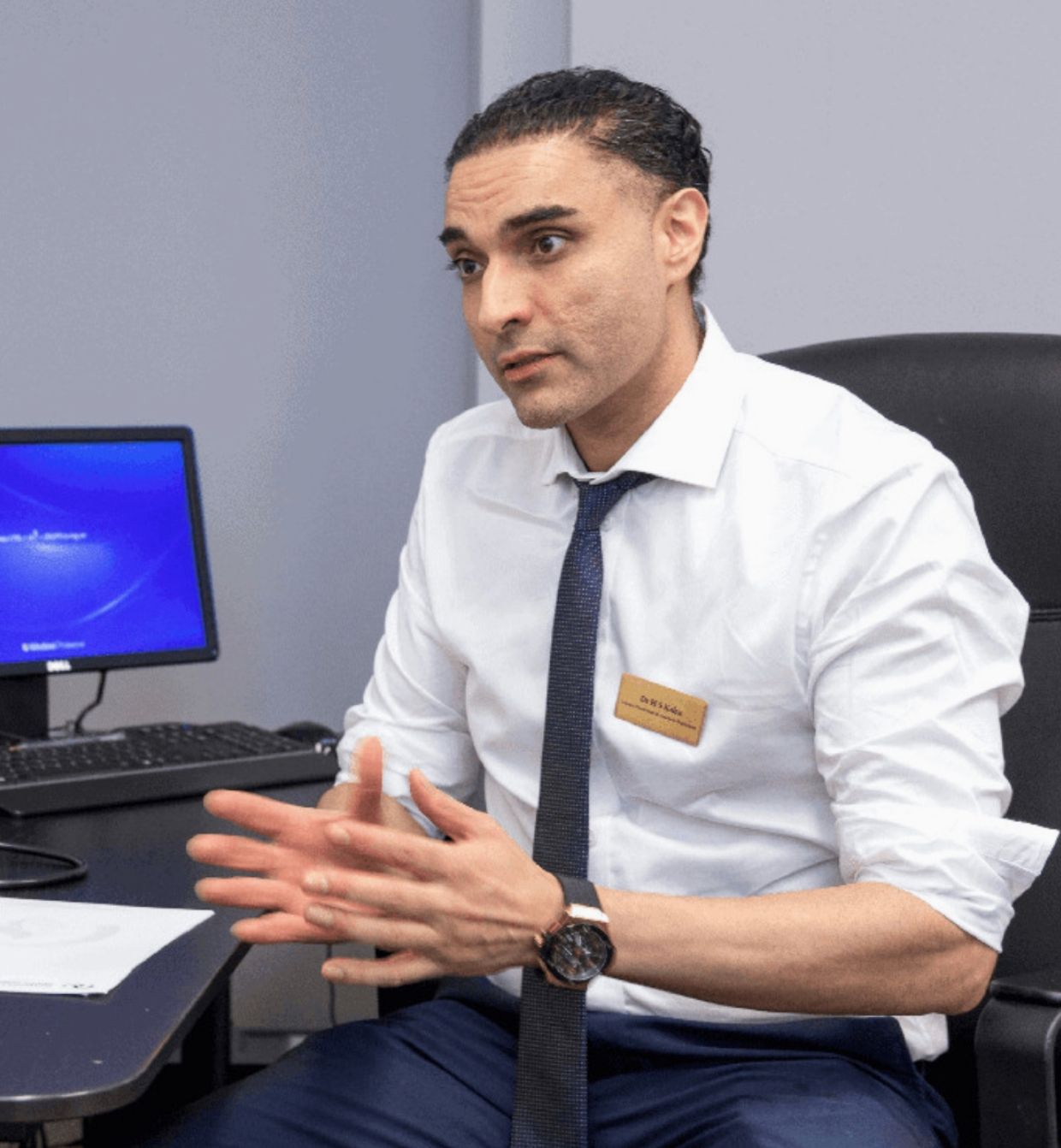
Dr Harpreet Kalra, GMC 7126076, assesses the scar and remaining donor supply before discussing grafting or another route.
Clinic address
2–12 Lord Street, Liverpool L2 1TS
Open in Google Maps
