Home › Hair Transplants › FUT Hair Transplant
FUT Hair Transplant Liverpool
Follicular Unit Transplantation removes a narrow strip of hair-bearing scalp from the donor area. The strip is divided into individual grafts, the donor wound is closed and the grafts are placed into planned recipient sites.
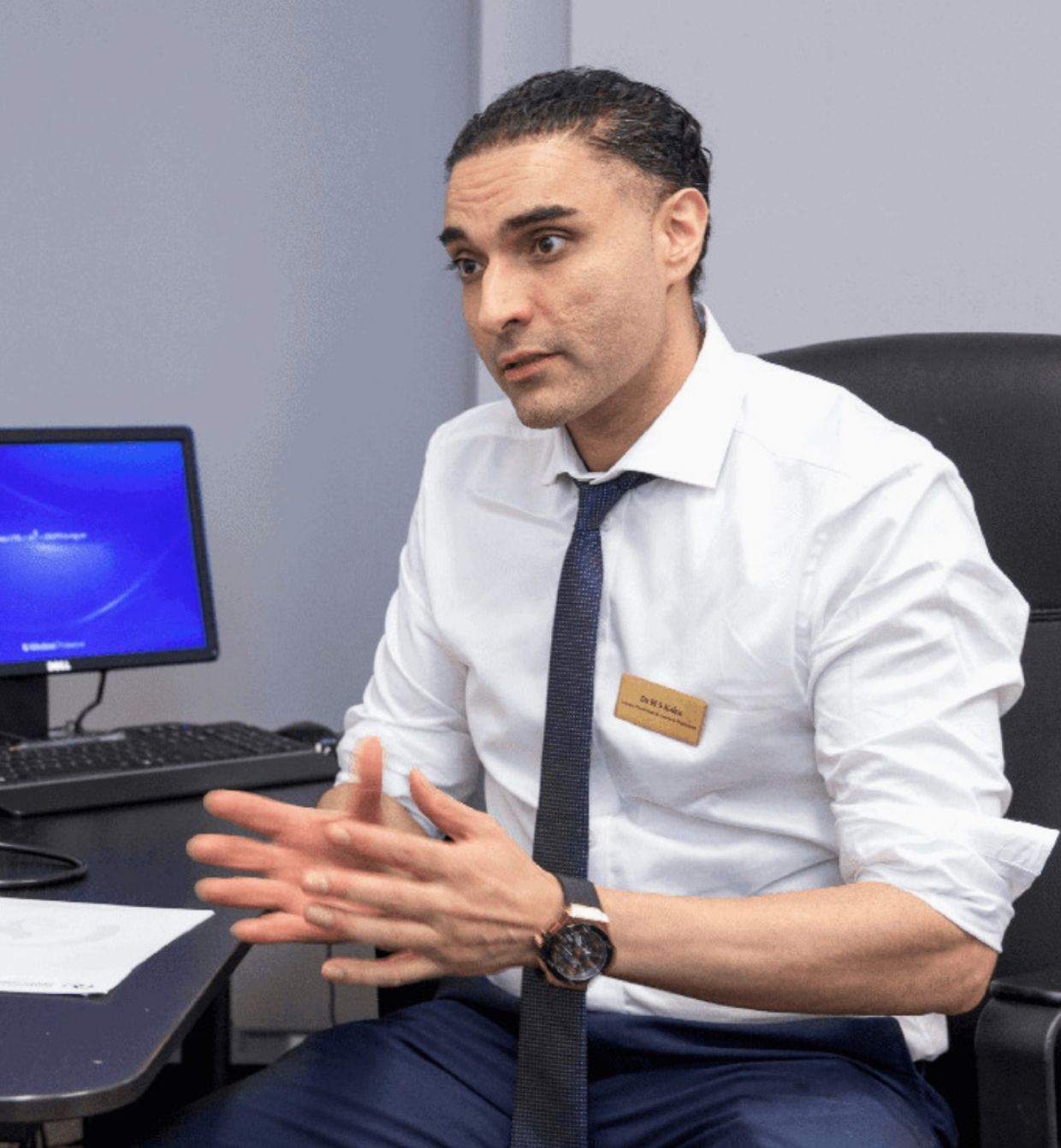
Consultations are led by Dr Harpreet Kalra, GMC 7126076, at our Liverpool city-centre clinic.
Contents [show]
What FUT Hair Transplant Surgery Involves
FUT is often called strip surgery or strip harvesting. A surgeon removes a planned strip from the donor area, usually at the back of the scalp. The wound edges are brought together with sutures or staples, leaving a linear scar. The tissue is then dissected into naturally occurring follicular-unit grafts for placement into the areas selected for restoration.
A FUT session may provide a substantial number of grafts without spreading punch extractions across the donor area. That can make it useful in some larger procedures or when donor management over more than one operation is being considered. It does not mean FUT always produces more usable grafts than FUE. Scalp laxity, density, previous scars, the safe donor area and the planned strip dimensions all limit what can be removed.
The linear scar is a permanent part of FUT. Longer hair may cover it, but width and visibility differ between patients. Skin response, closure tension, scar tissue, previous surgery and healing can all affect the result.
Who May Be Suitable for FUT?
Reasons FUT may be considered
- A larger graft requirement that can be supported by the donor strip.
- Good donor density and enough scalp laxity for an appropriate closure.
- A hairstyle long enough to cover a linear donor scar.
- A preference to avoid shaving a wide donor area, where the proposed operation allows it.
- A long-term donor plan that may use FUT alone or combine techniques over time.
When more assessment is needed
A tight scalp, tendency to form raised or wide scars, previous donor surgery, limited density or a wish to wear the hair very short can make FUT less suitable. Active scalp disease, diffuse thinning or an uncertain diagnosis may require investigation before any operation.
The consultation should also consider future loss. A hairline that uses too much donor hair early can be difficult to support later, whichever harvesting method is chosen.
How FUT Is Planned and Performed
1. Assessment and design
The surgeon reviews the diagnosis, pattern of loss, donor density, scalp laxity, scar history and medical background. The recipient design and the position of the donor strip are planned together.
2. Donor preparation and anaesthetic
The strip area is prepared and local anaesthetic is administered. The injections can sting. During the operation, patients may notice pressure or movement even when sharp pain is controlled.
3. Strip removal and closure
The planned strip is removed and the donor edges are closed. Closure technique and wound tension affect healing, but no technique can promise an invisible scar.
4. Graft dissection
The strip is divided into individual follicular-unit grafts. The team sorts and prepares the grafts while protecting them from avoidable handling and drying.
5. Recipient sites and placement
The surgeon plans the recipient sites around angle, direction, spacing and the available graft supply. Prepared grafts are placed into those sites according to the design.
6. Written aftercare
Before leaving, patients should know how to look after both areas, when the closure needs reviewing, what activity to avoid and how to contact the clinic if healing is not progressing as expected.
FUT, FUE and DHI: What Changes?
FUT and FUE describe different ways to obtain grafts. DHI usually refers to placement with an implanter pen and may use grafts harvested by either method.
| Question | FUT | FUE | DHI |
|---|---|---|---|
| How are grafts obtained? | A donor strip is removed and dissected. | Follicular units are removed individually with a punch. | Commonly by FUE before implanter placement. |
| Donor scar pattern | One linear scar from the closed strip wound. | Multiple small circular scars across the extraction area. | Depends on the harvesting method used. |
| Hair length and shaving | May allow surrounding hair to cover the closure without a wide shave. | Often requires a shaved donor area, although the extent varies. | Depends on harvesting and the recipient plan. |
| Main donor concern | Strip position, scalp laxity, closure tension and scar healing. | Extraction spacing and protection of visible donor density. | The harvesting concern remains, plus graft loading and placement. |
Short hair does not make FUE scar-free, and longer hair does not guarantee that an FUT scar stays concealed.
FUT Recovery, Growth and Risks
Donor and recipient healing
The donor closure may feel tight or tender during early healing. Swelling, redness and crusting can also affect the recipient area. The clinic will explain washing, sleeping, work, exercise and closure review for the operation performed.
Some transplanted shafts may shed during the weeks after surgery, but this is not identical for every patient. New growth develops gradually over the following months and early photographs do not show the mature result.
Linear-scar changes
The scar may look red or firm before it settles. It can remain wider, raised, depressed or more visible than expected. Previous scar tissue and individual wound healing matter, so the appearance cannot be predicted exactly.
Risks to discuss
Possible complications include bleeding, infection, swelling, pain, altered sensation, wound problems, visible scarring, folliculitis or cysts, poor graft growth, asymmetry and an unnatural design. Further thinning of non-transplanted hair can change the overall appearance.
Increasing pain, redness, swelling, discharge, wound separation or another worsening symptom should be reported promptly. General online guidance cannot replace the instructions given by the team responsible for the operation.
Read the full aftercare guide and recovery timeline.
How Much Does FUT Cost in Liverpool?
The clinic advertises hair transplants from £3,499. That starting price is not an individual FUT quote. The fee can change with the treatment area, graft requirement, donor and scar complexity, previous surgery and the operating time needed.
FUT should not be chosen on price alone. Ask who carries out the strip removal, closure, graft dissection, recipient-site creation and placement. Confirm what the written quote includes, how follow-up is arranged and whether there are separate charges for additional assessment.
See the full Liverpool hair transplant cost guide for the questions to ask before paying a deposit.
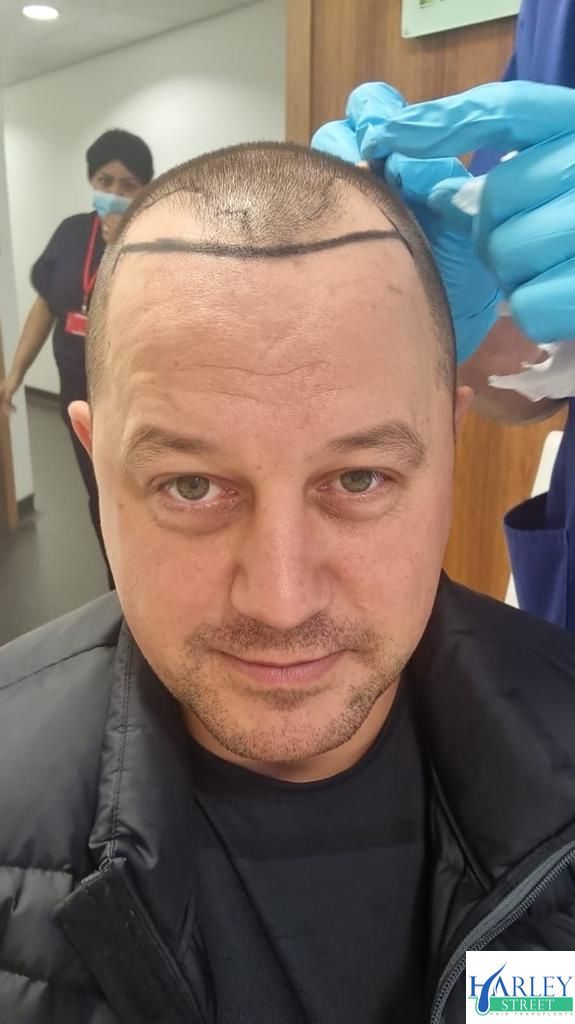
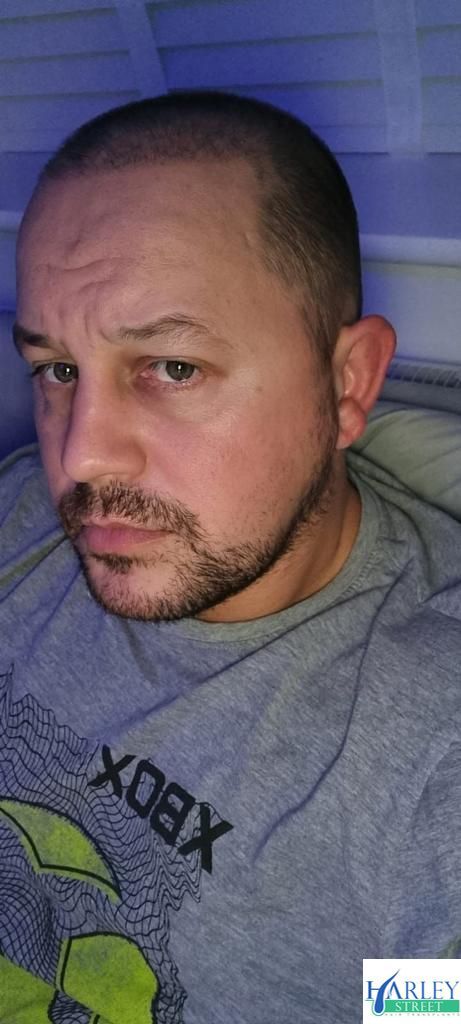
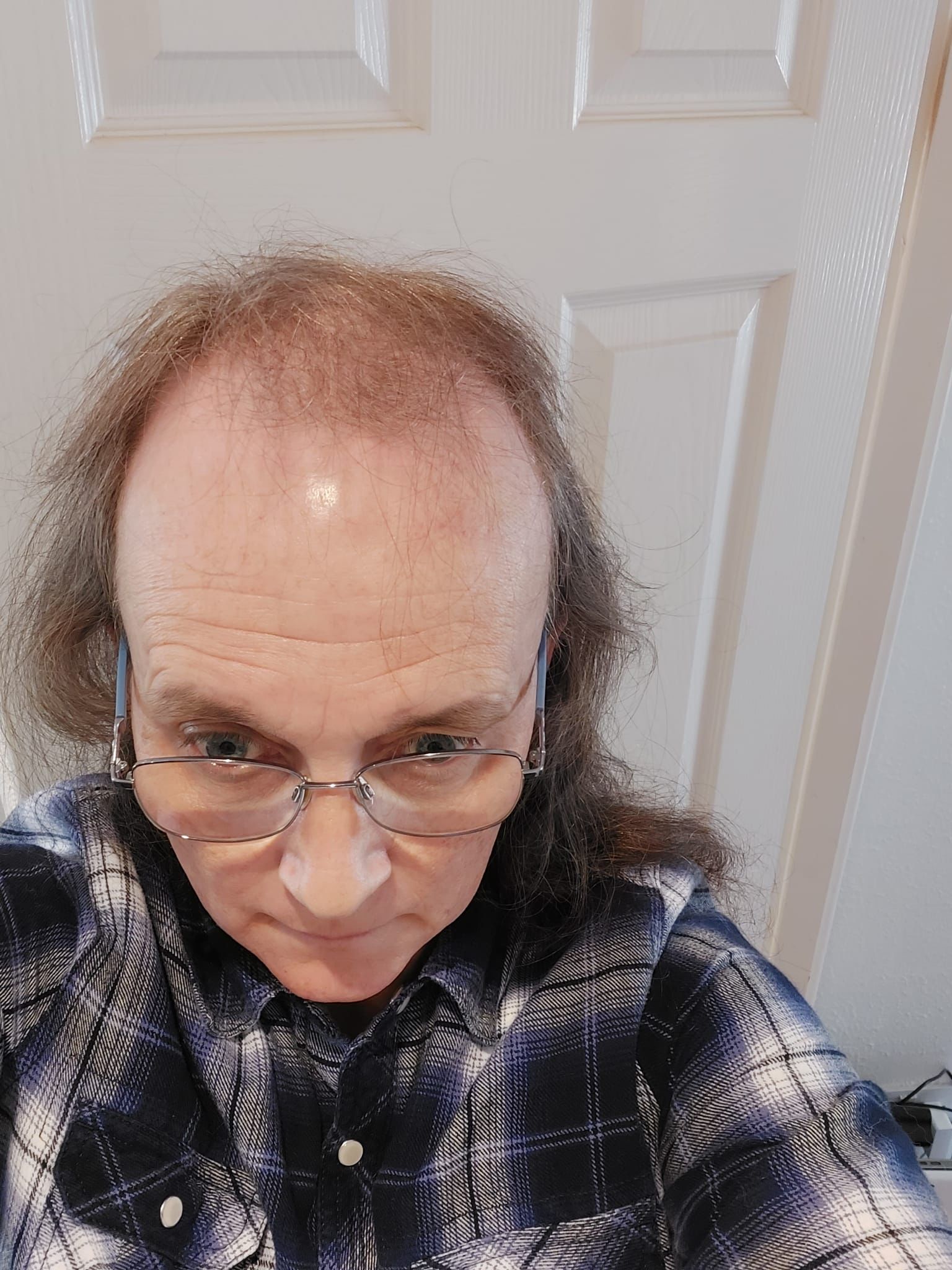
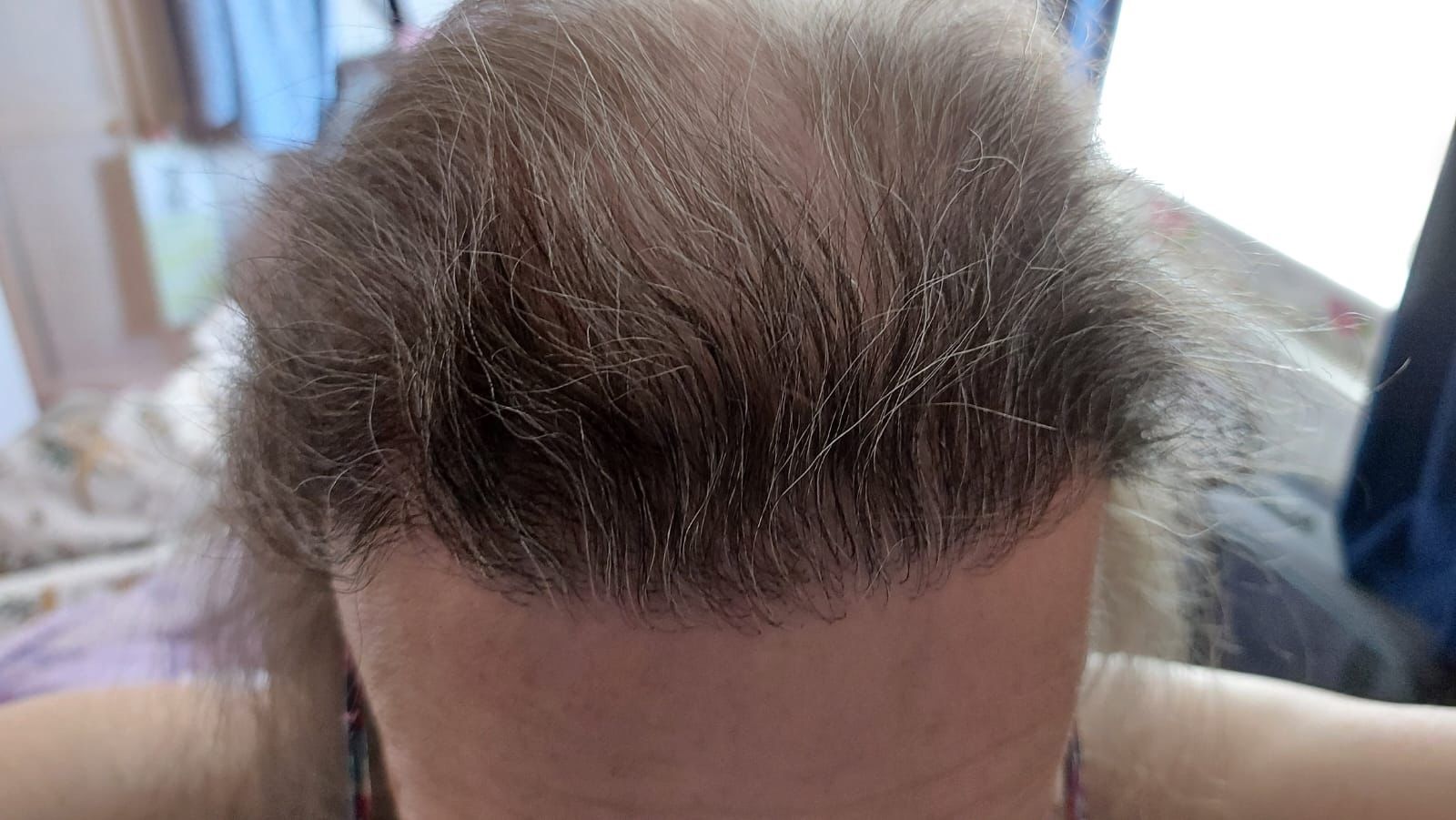
Existing Liverpool Patient Gallery
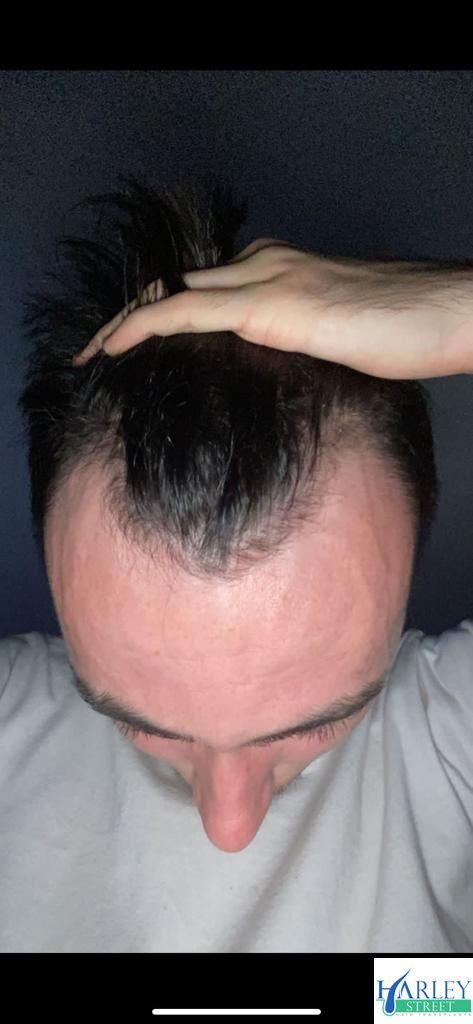
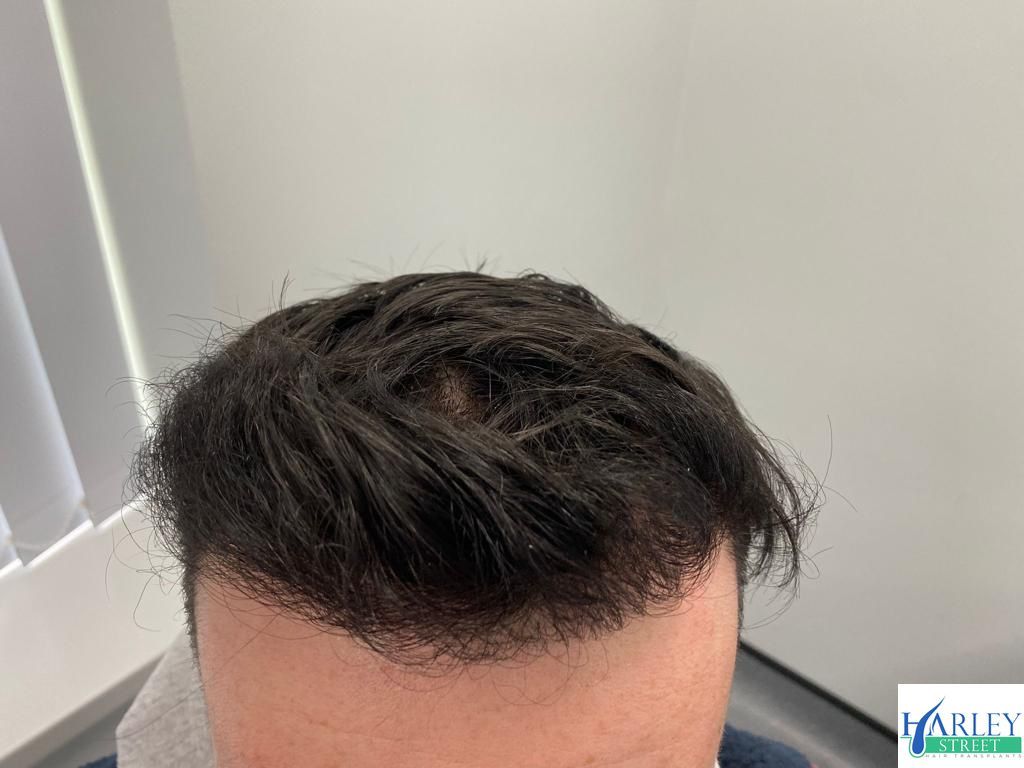
All six patient images from the current FUT page are retained here. The existing files include images previously labelled as FUE, so the harvesting method should only be stated where the clinical record confirms it. Photographs do not predict another patient’s outcome.
Other Hair-Restoration Options

FUE
Individual graft harvesting with donor-density planning.

FUT
Strip harvesting with a linear donor closure.

PRP
A separate non-surgical option that needs realistic expectations.

Eyebrows
Fine placement planned around angle and direction.

Beard
Facial-hair design using suitable donor grafts.

Women
Diagnosis-led planning for suitable patterns of loss.
FUT Hair Transplant Questions
Does FUT leave a scar?
Yes. Removing and closing a donor strip leaves a linear scar. Hair may cover it, but scar width, colour and texture vary with closure tension, skin response, previous surgery and individual healing.
Does FUT hurt?
Local anaesthetic is used, and the injections can be uncomfortable. Patients may notice pressure or movement during surgery and tightness or tenderness afterwards. Severe or worsening pain should be reported to the clinic.
How long does an FUT procedure take?
Operating time depends on the strip, graft number, recipient area and complexity of the operation. A responsible estimate can only be given once the surgical plan has been agreed.
Is FUT better than FUE for more grafts?
FUT can provide a substantial number of grafts in one session for some patients, but it is not automatically better. Donor density, scalp laxity, previous surgery, scar preference, hairstyle and long-term planning all affect the choice.
When will I see FUT growth?
Growth is gradual and varies between patients. Some shafts may shed during early recovery, then new growth may become visible over the following months. Density and calibre continue changing, so early photographs are not the final assessment.
Check the surgeon’s registration on the GMC medical register, read the CQC guidance on choosing cosmetic surgery and see the ISHRS guide to FUT.
