
Home › Hair Transplant Before and After
Hair Transplant Before and After Images
View the 24 patient images currently shown by Liverpool Hair Transplant Clinics. They are retained here in one dedicated gallery, with practical guidance on comparing clinical photographs.
Contents [show]
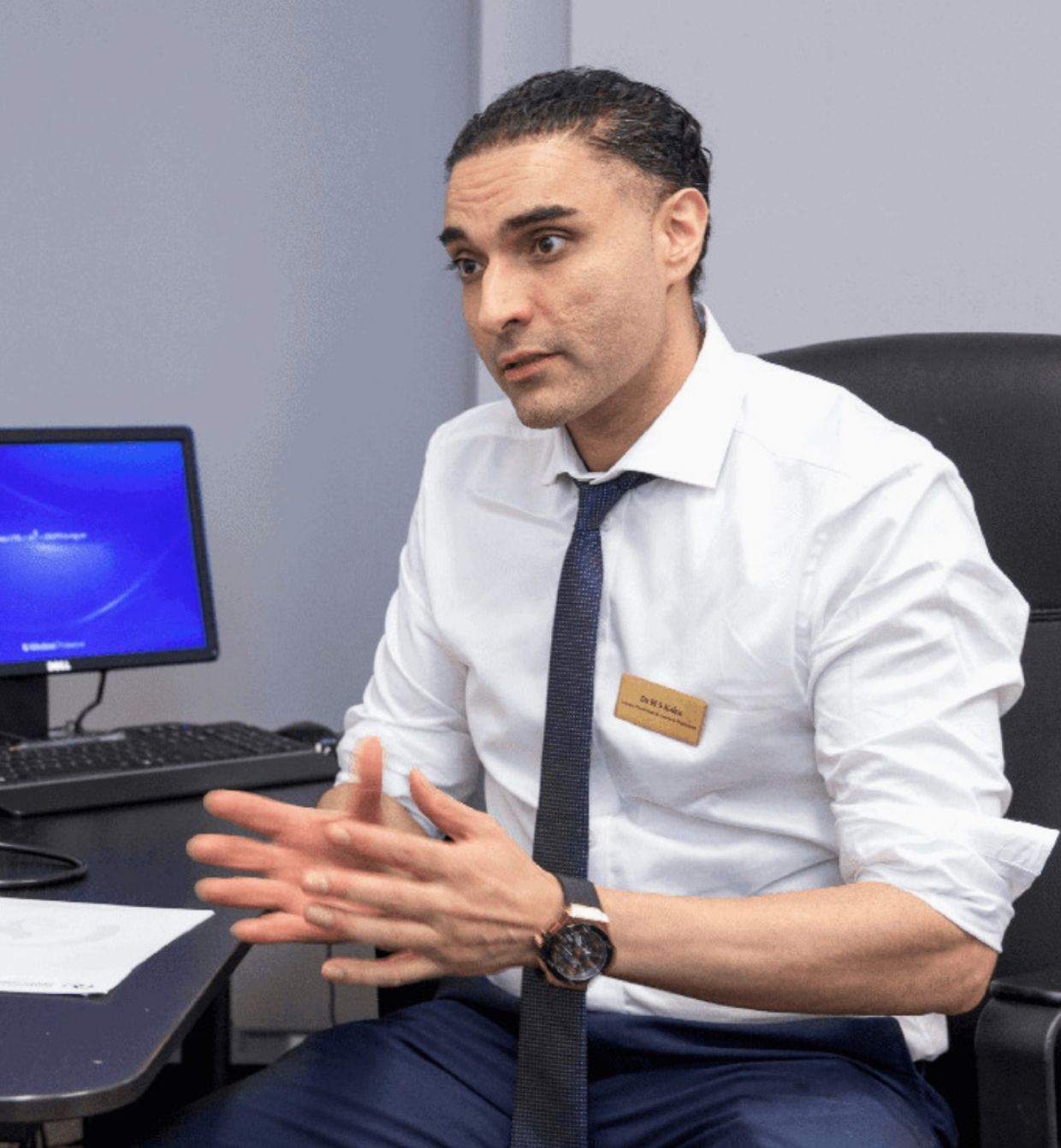
Liverpool Clinic Patient Image Gallery
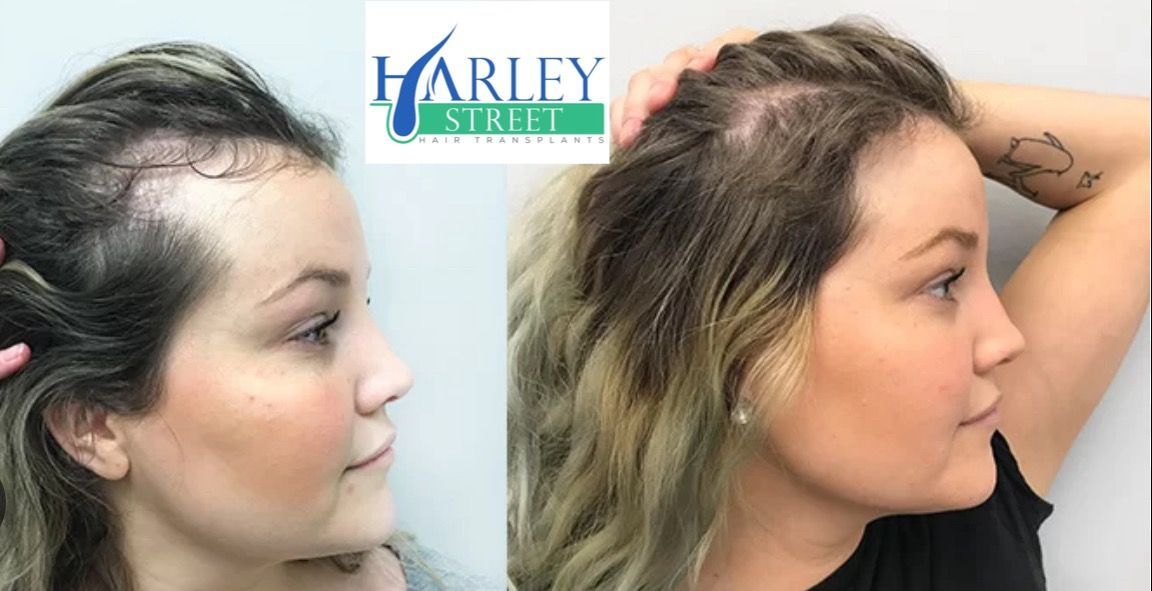
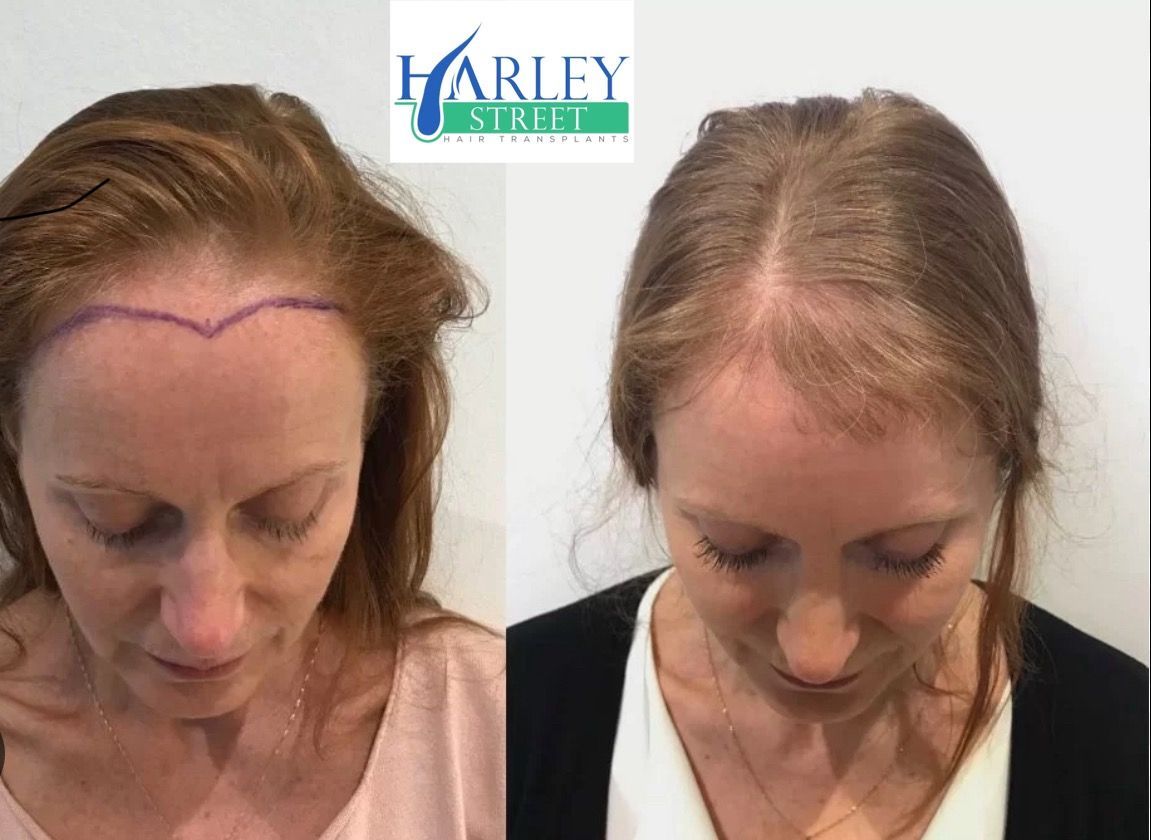
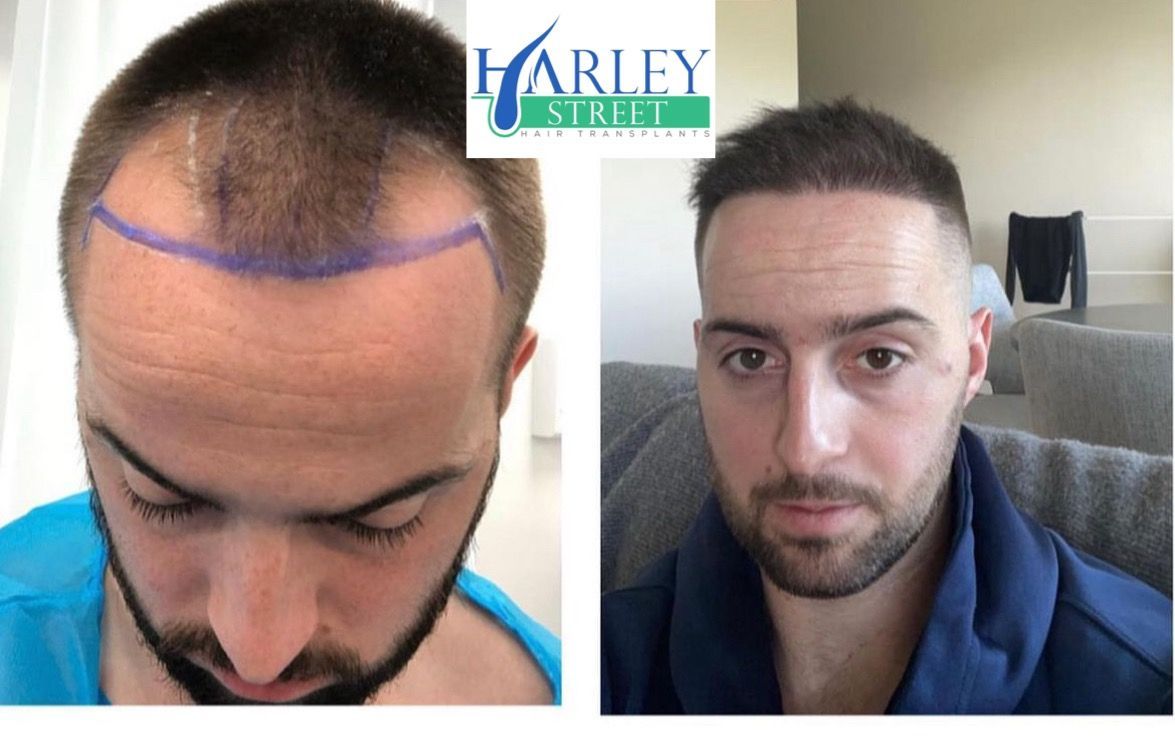
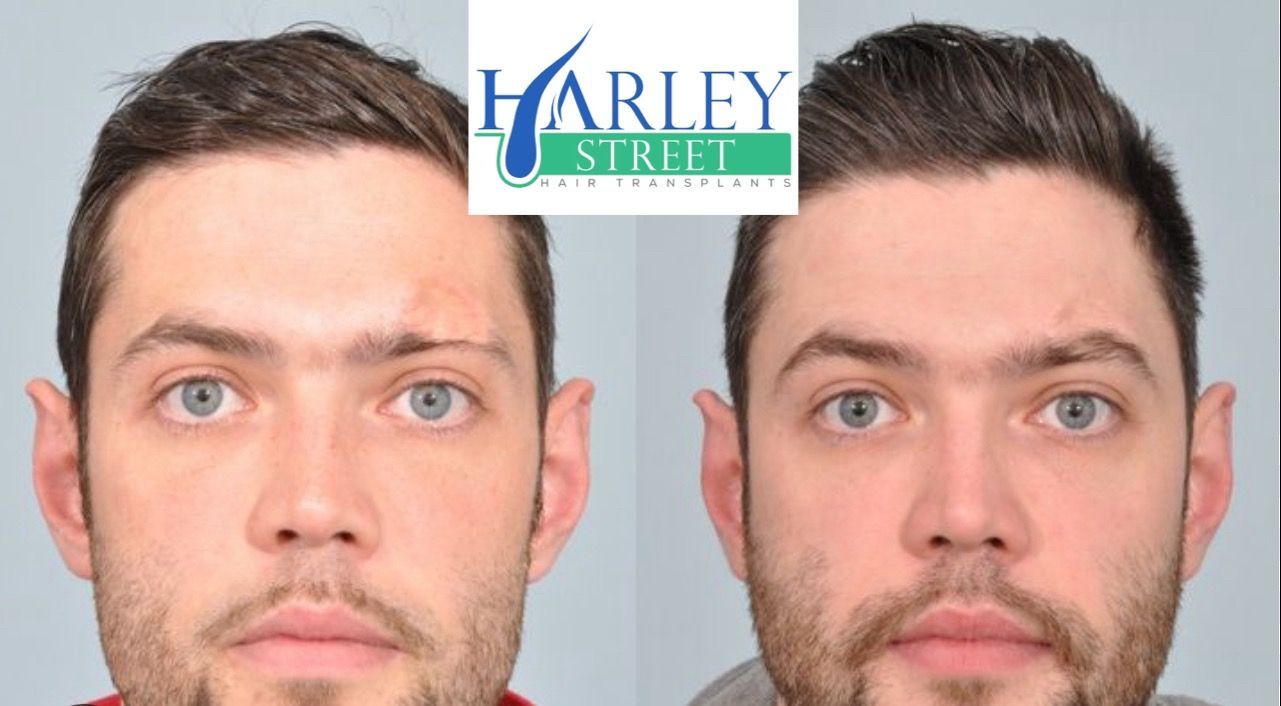
These are the 24 images from the current Liverpool homepage. Some files may be a single view or a composite rather than a matched before-and-after pair. They should be read as individual examples, not as a forecast of density, healing or graft growth for somebody else.
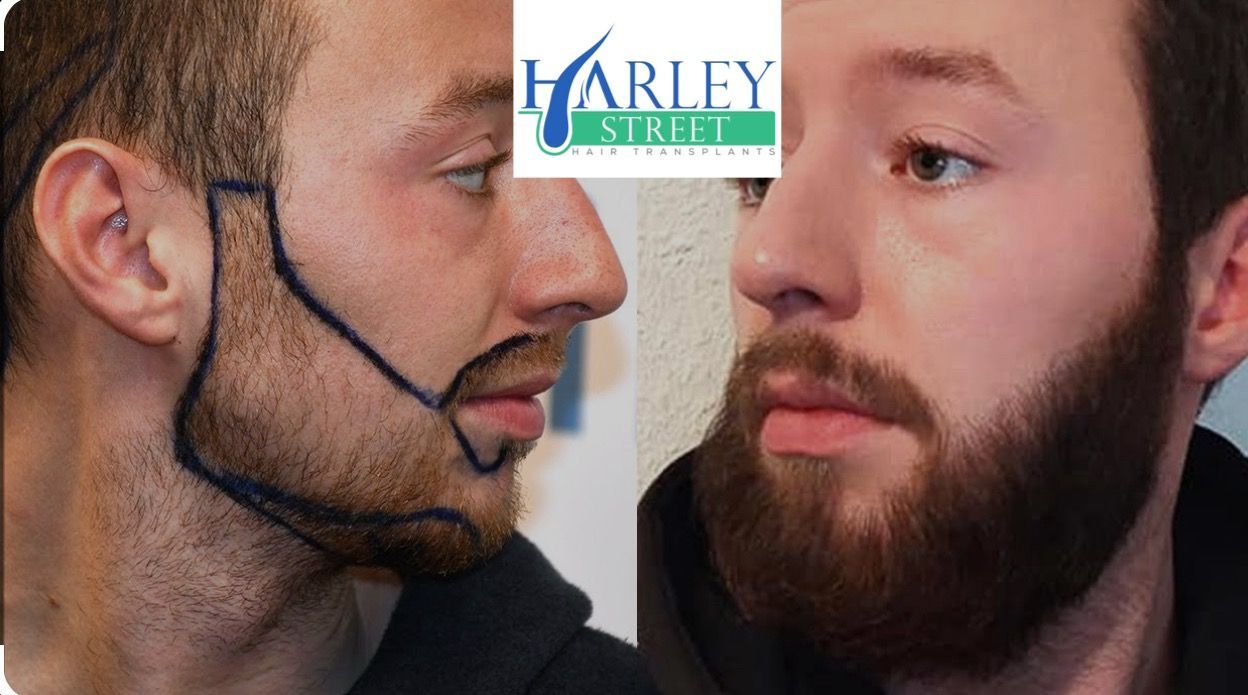
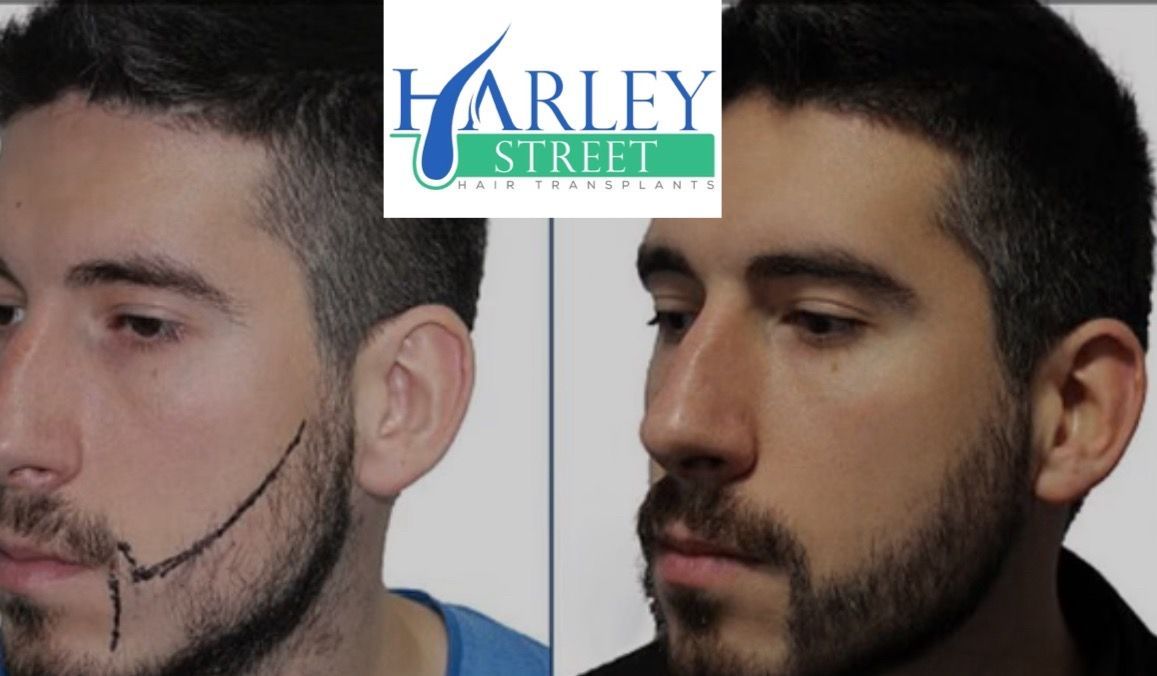
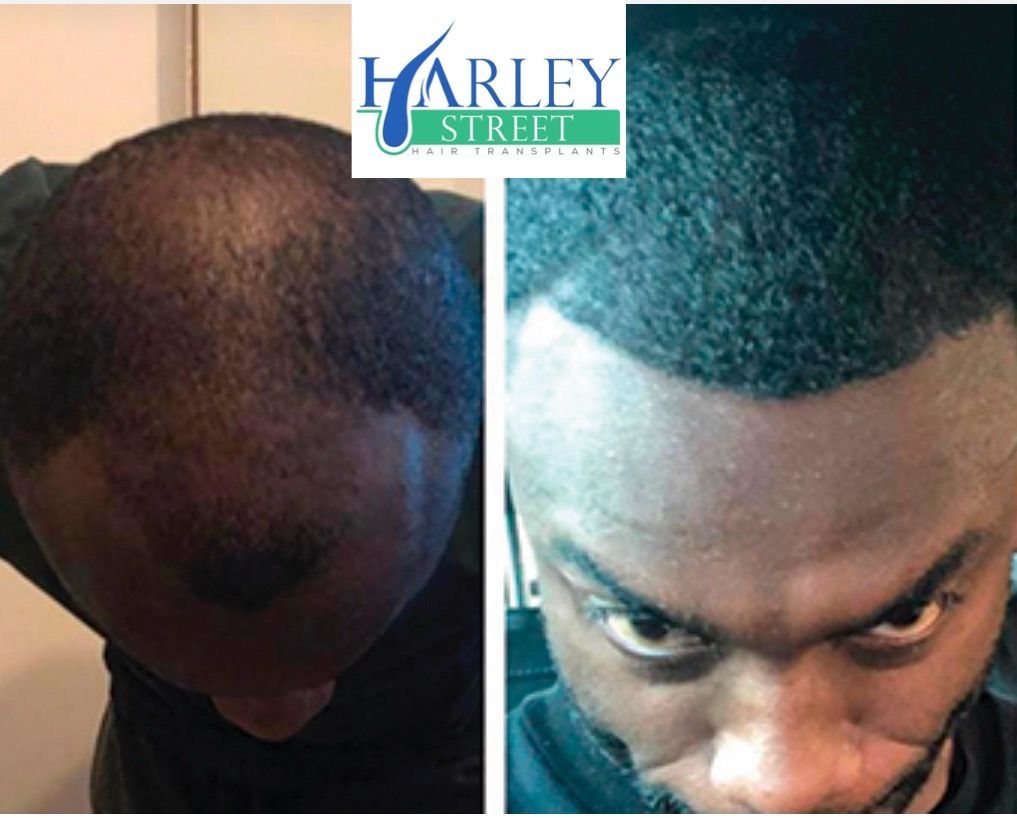
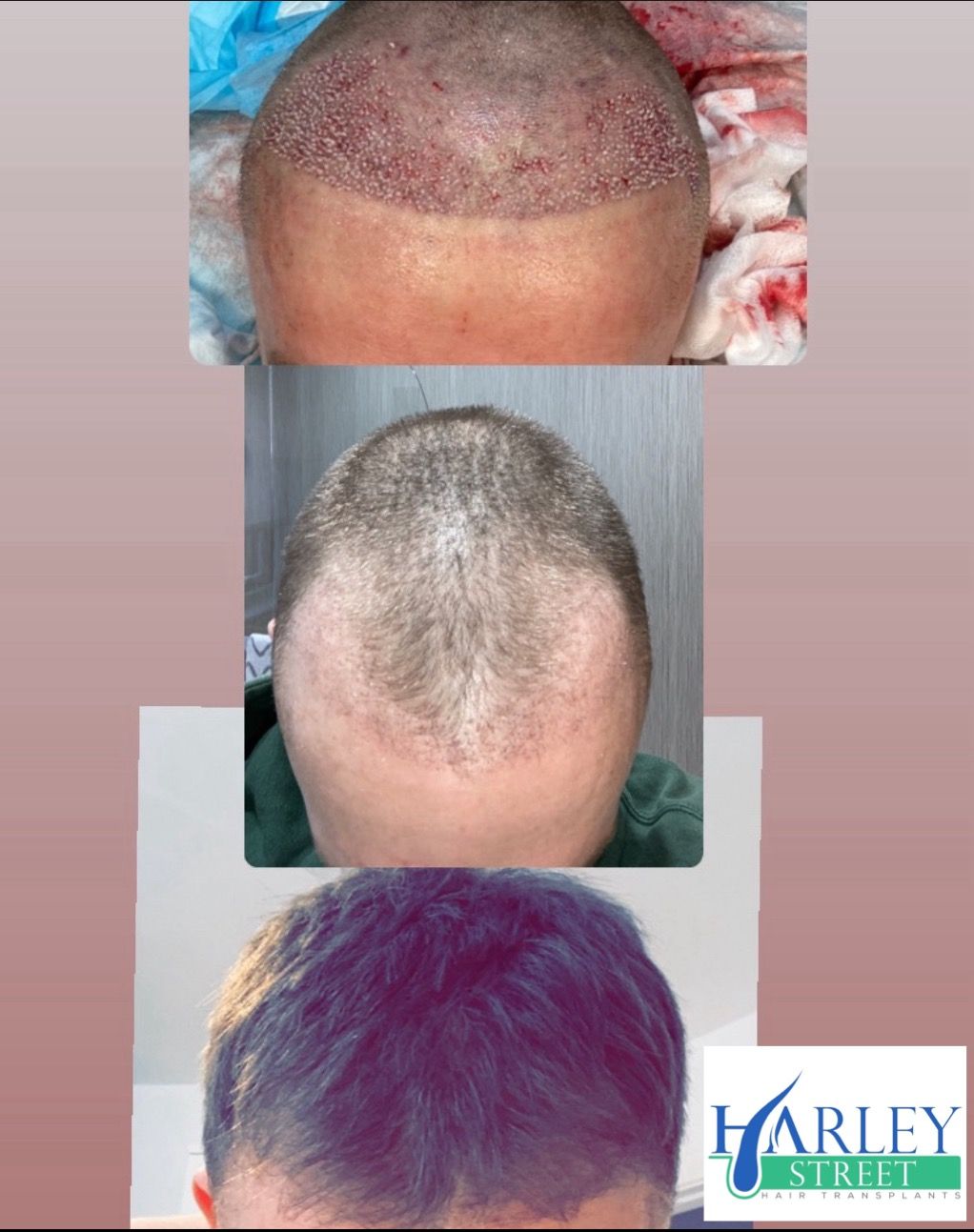
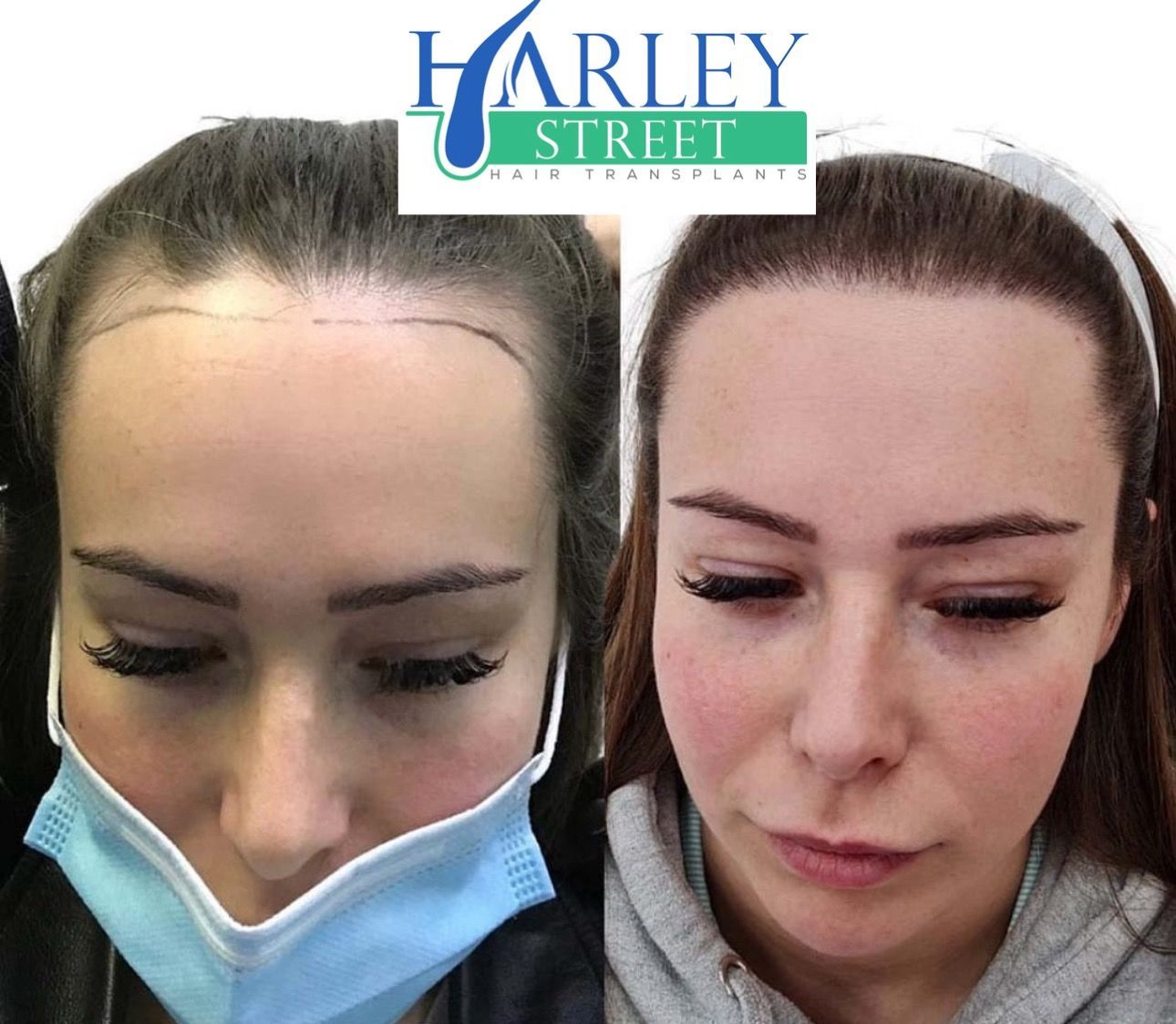
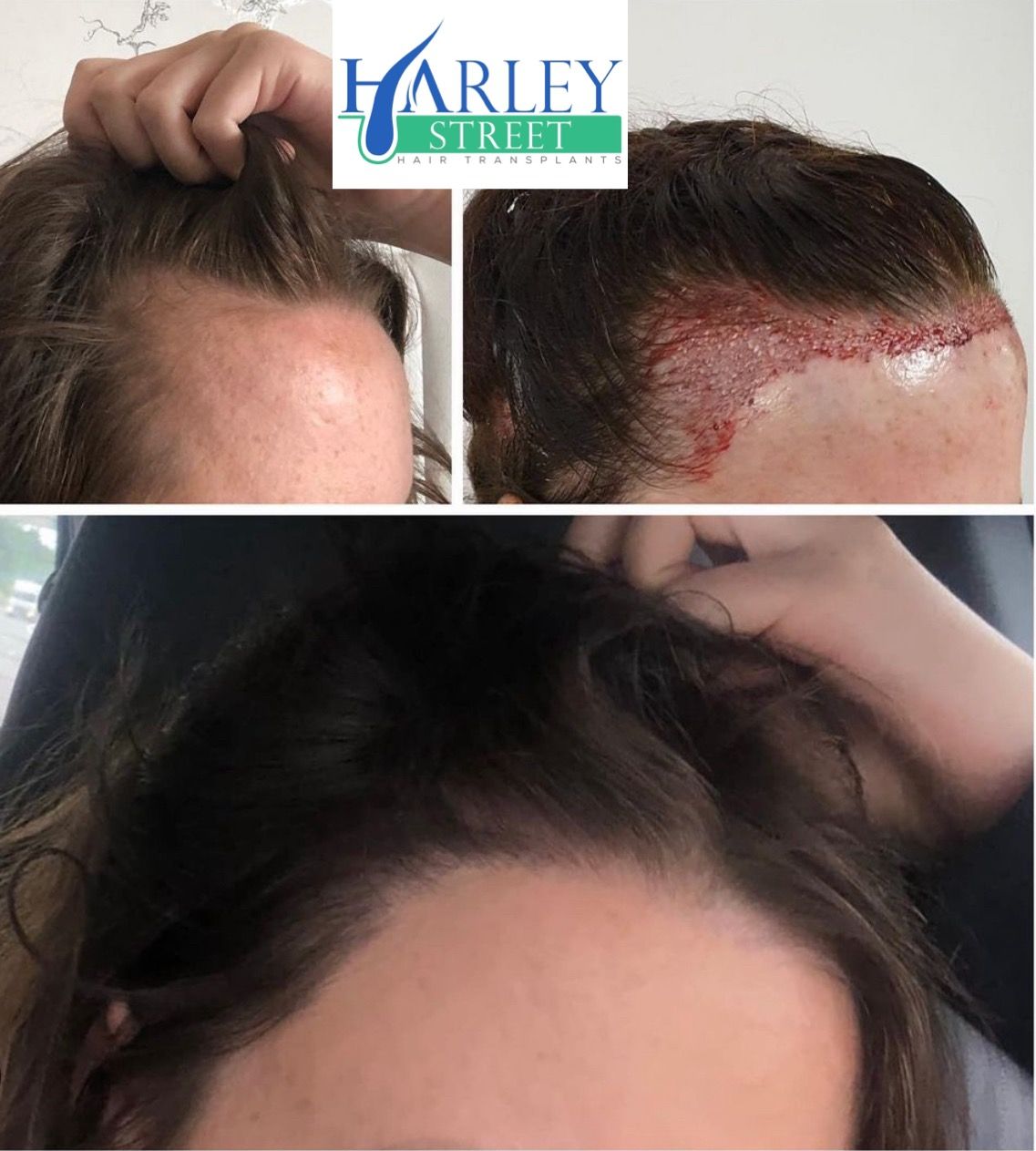
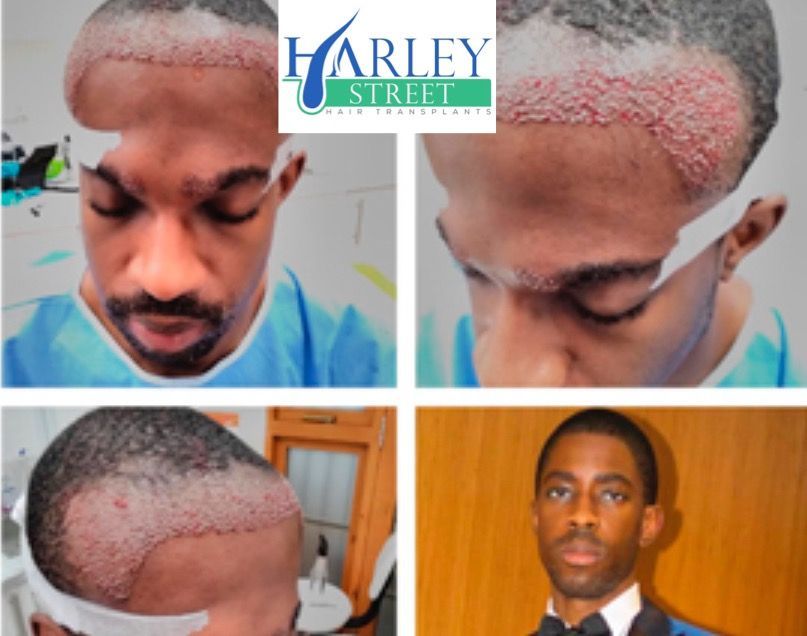
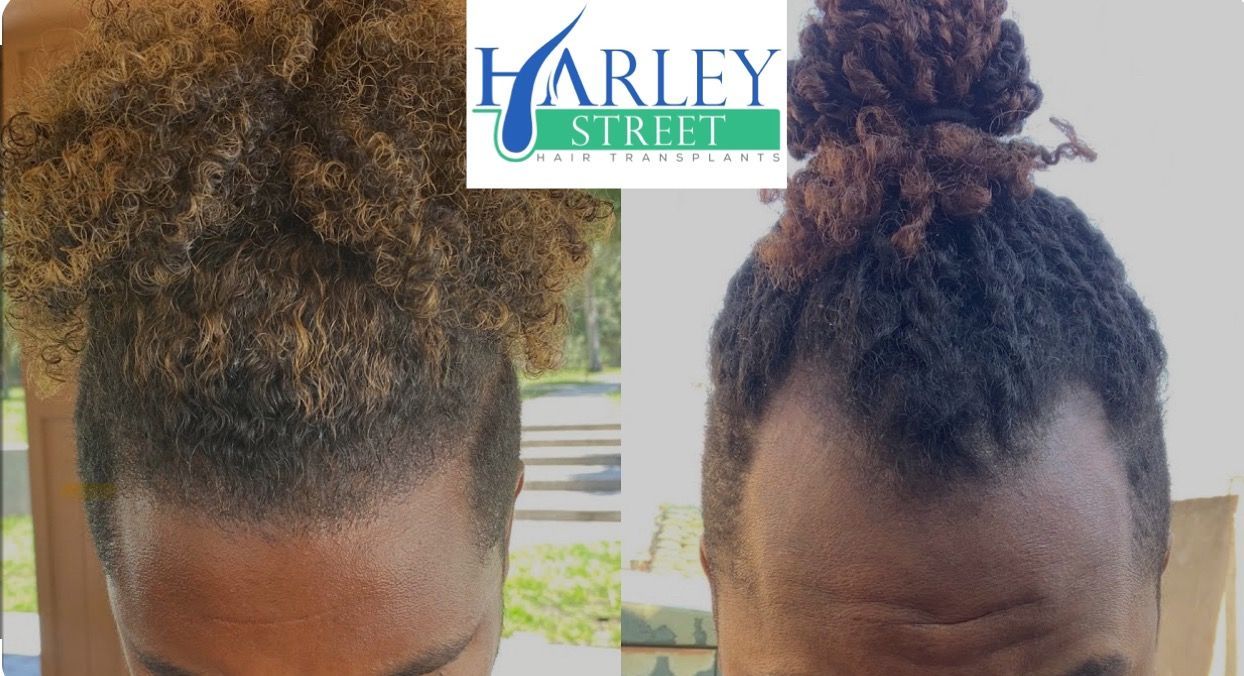
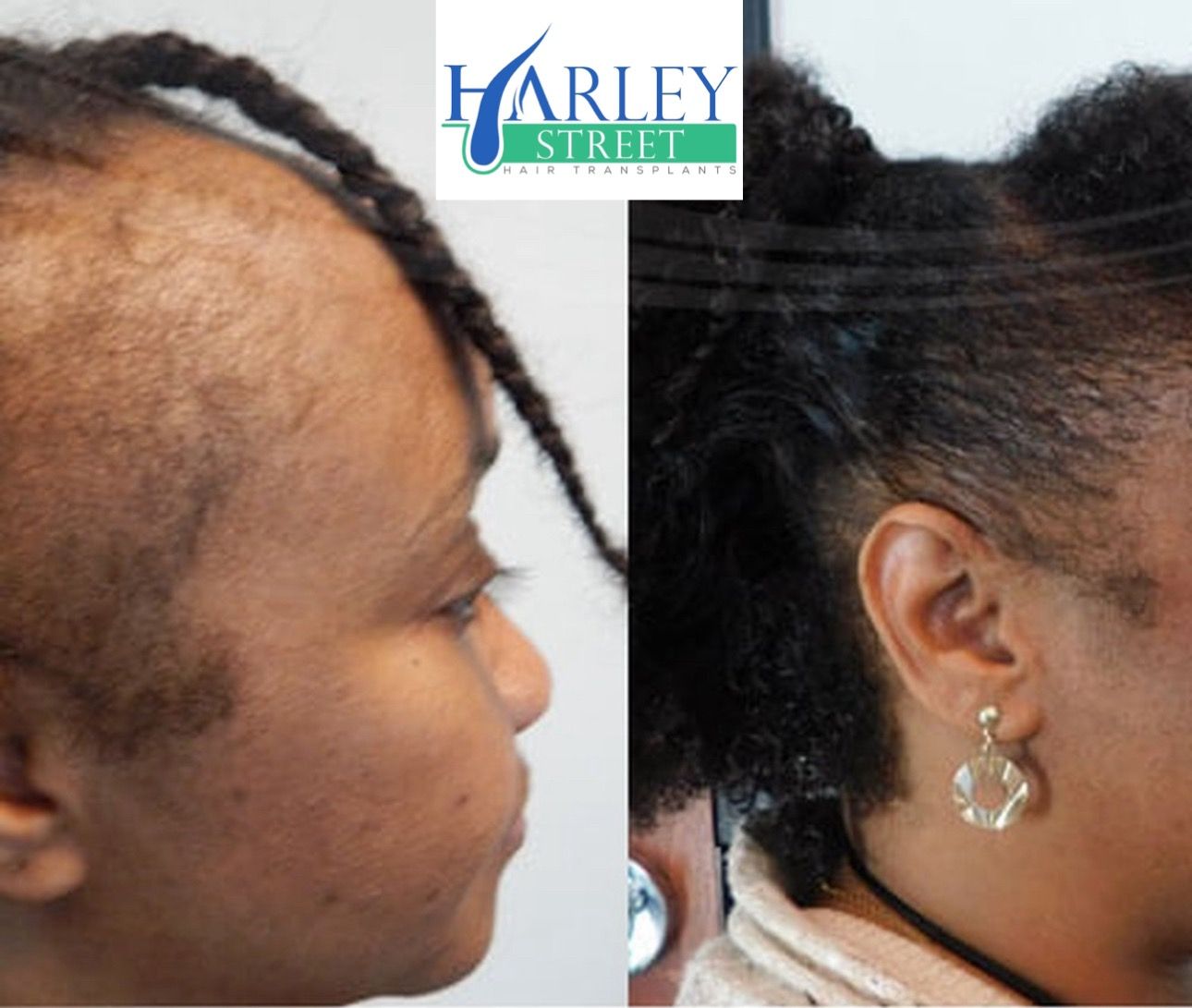
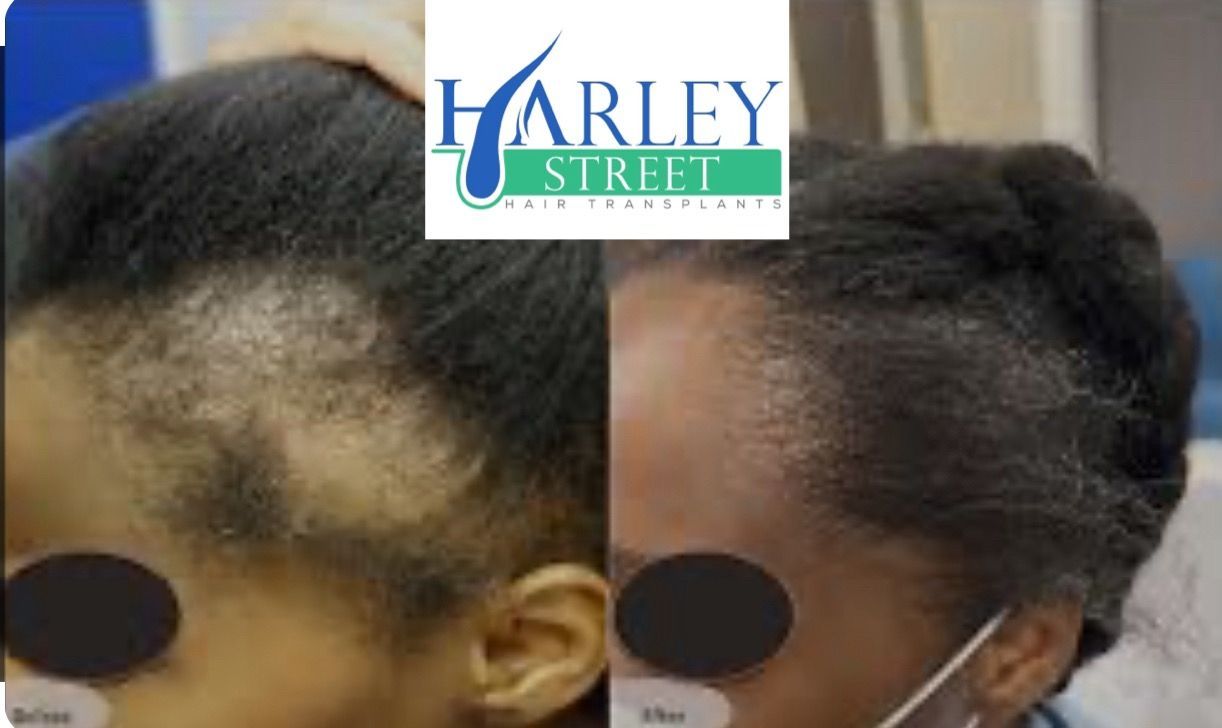
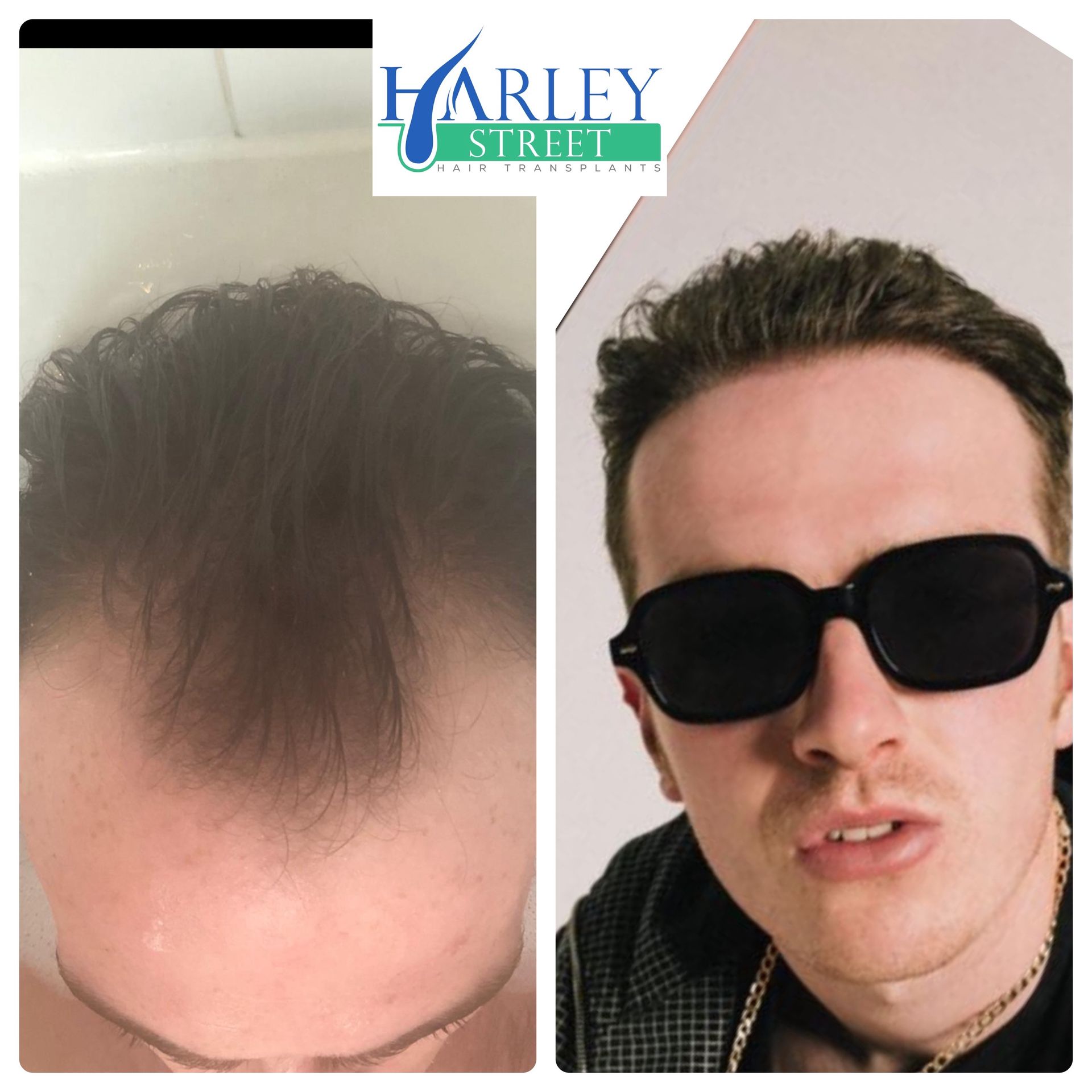
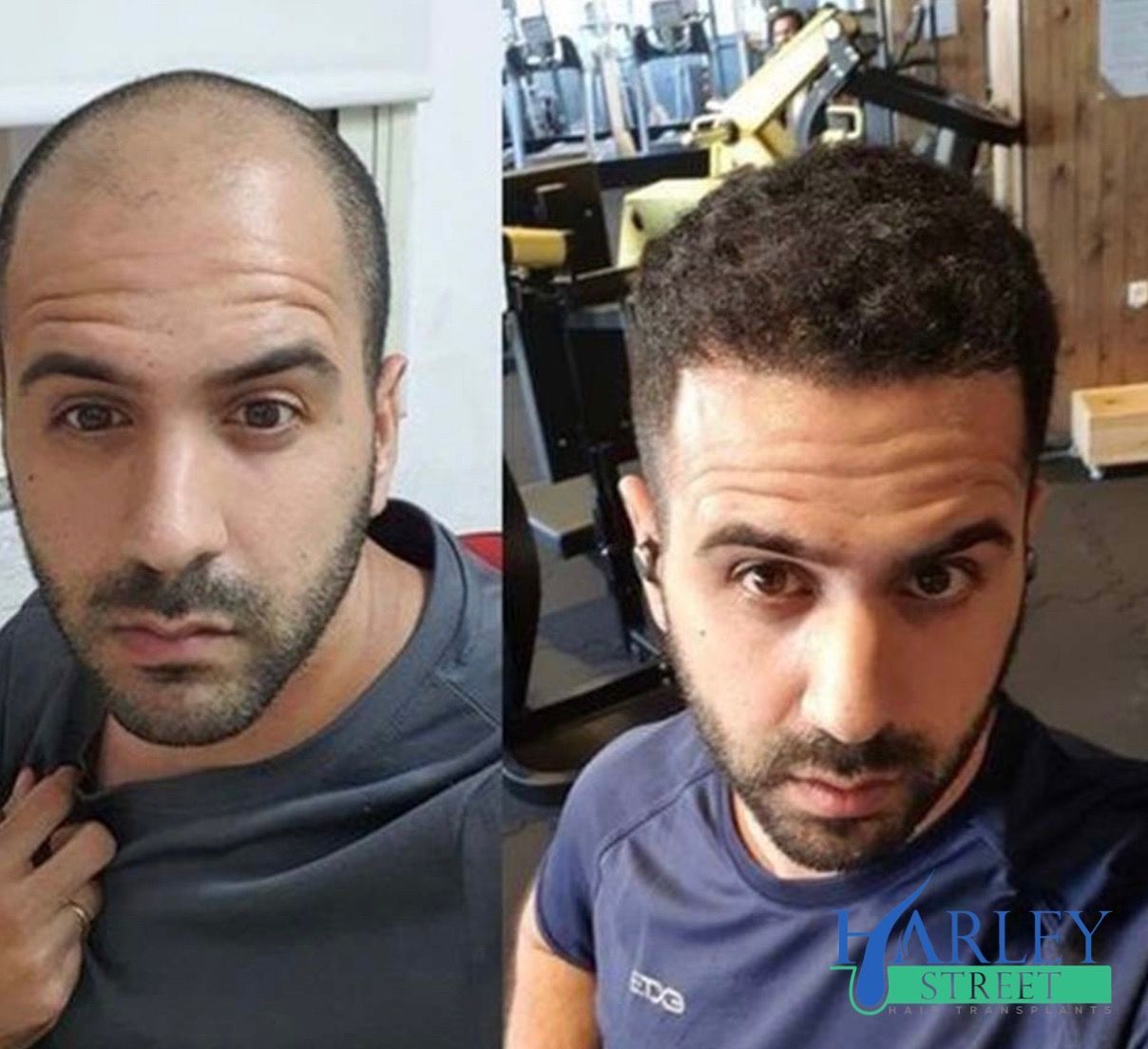
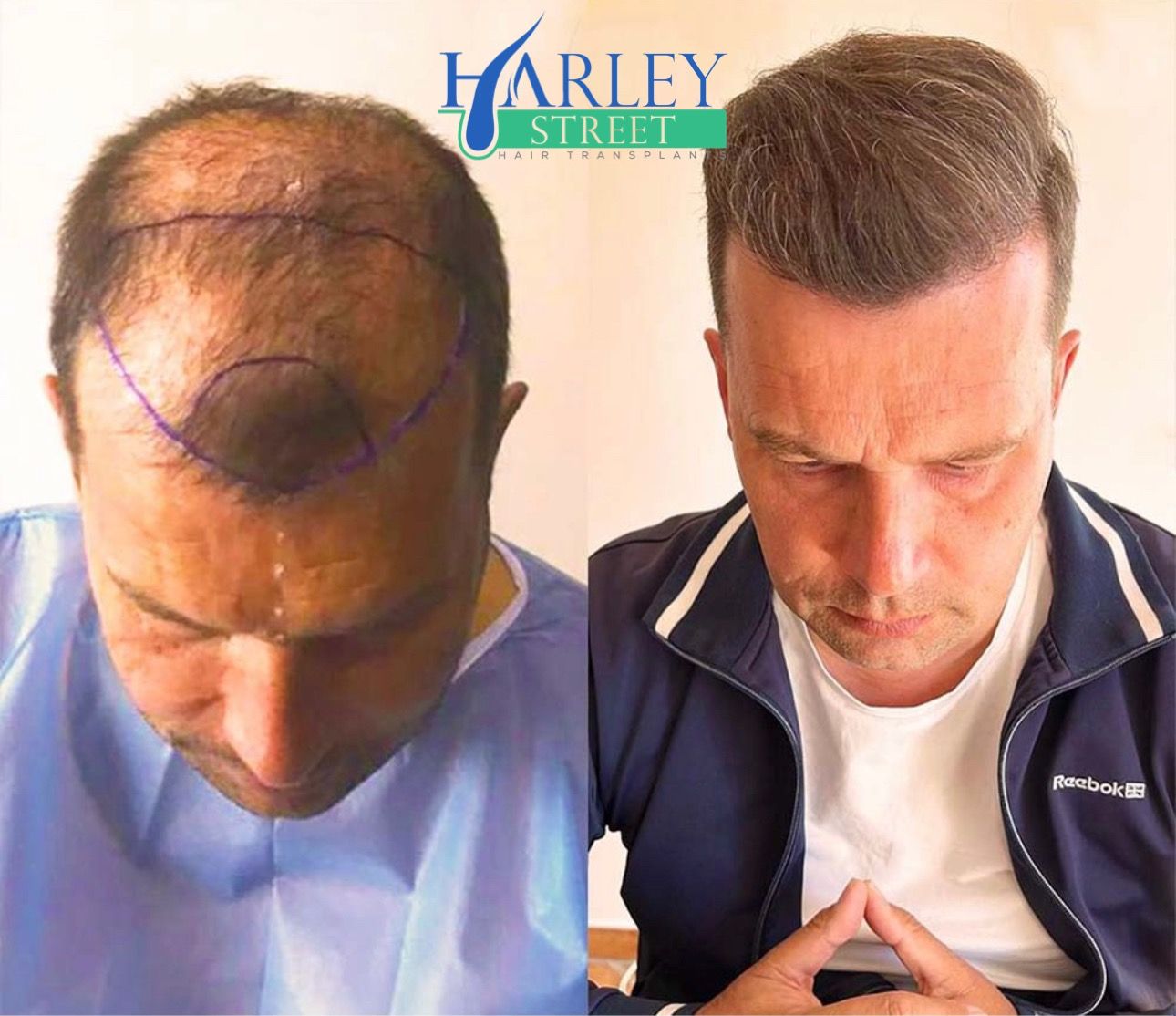
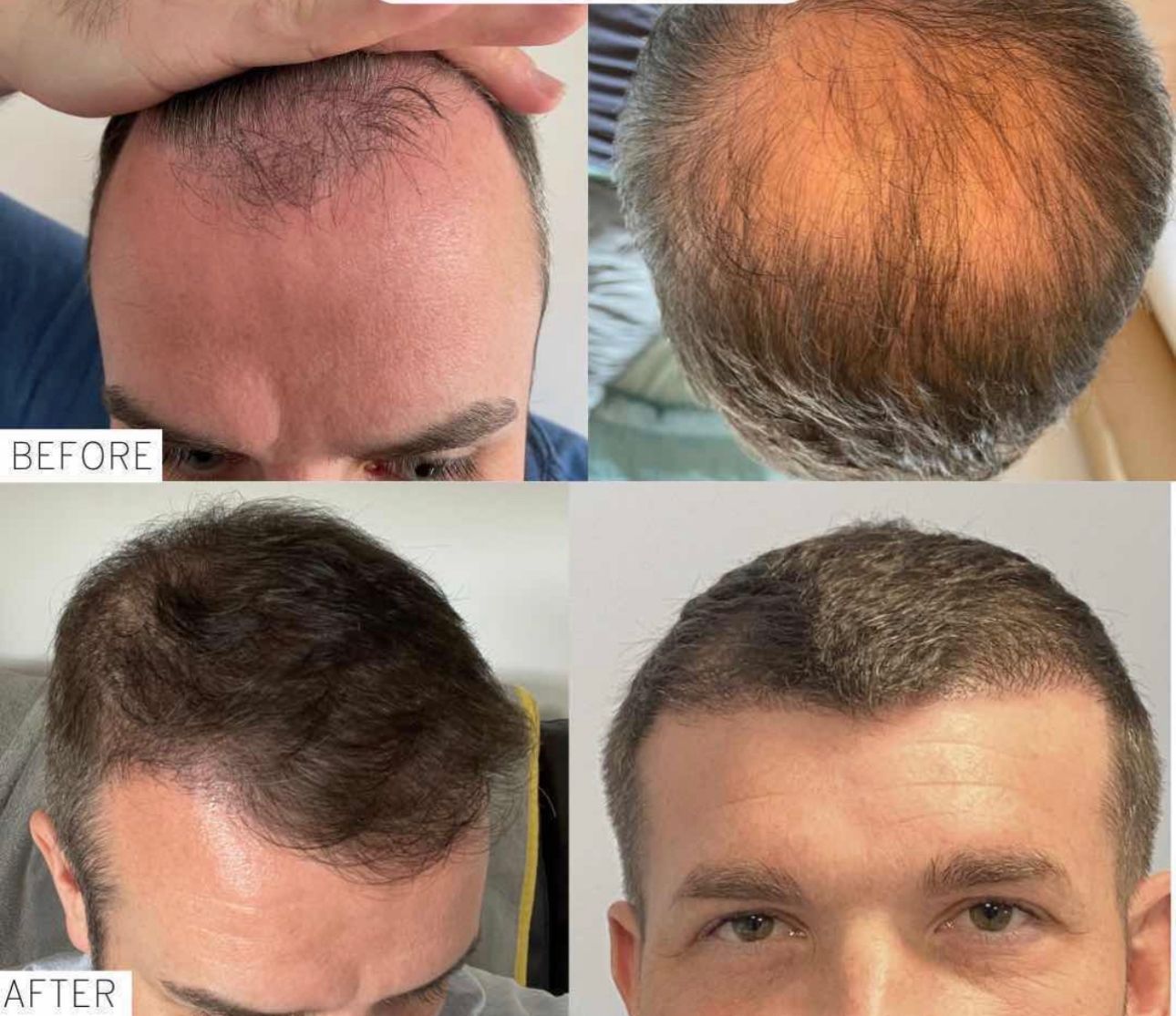
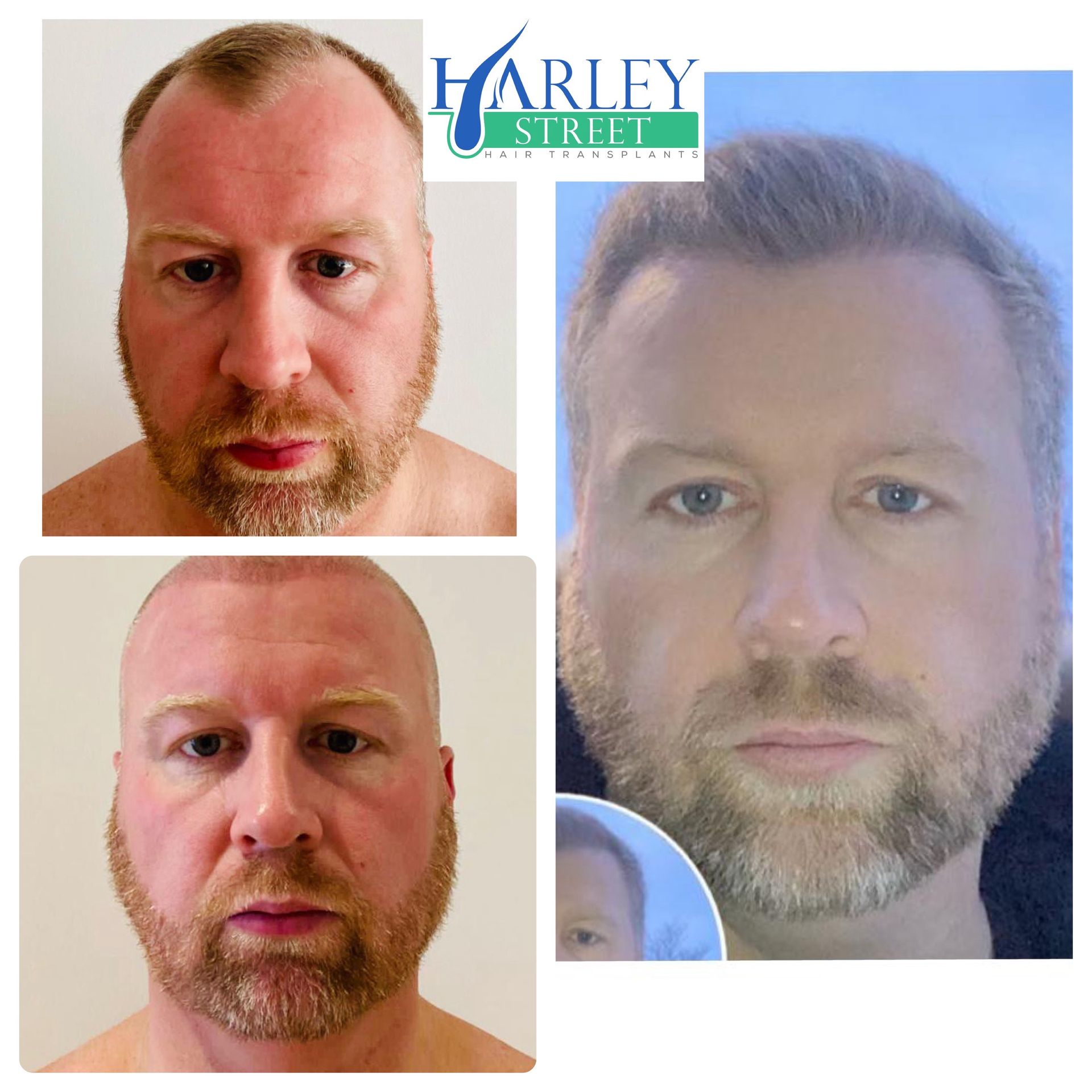
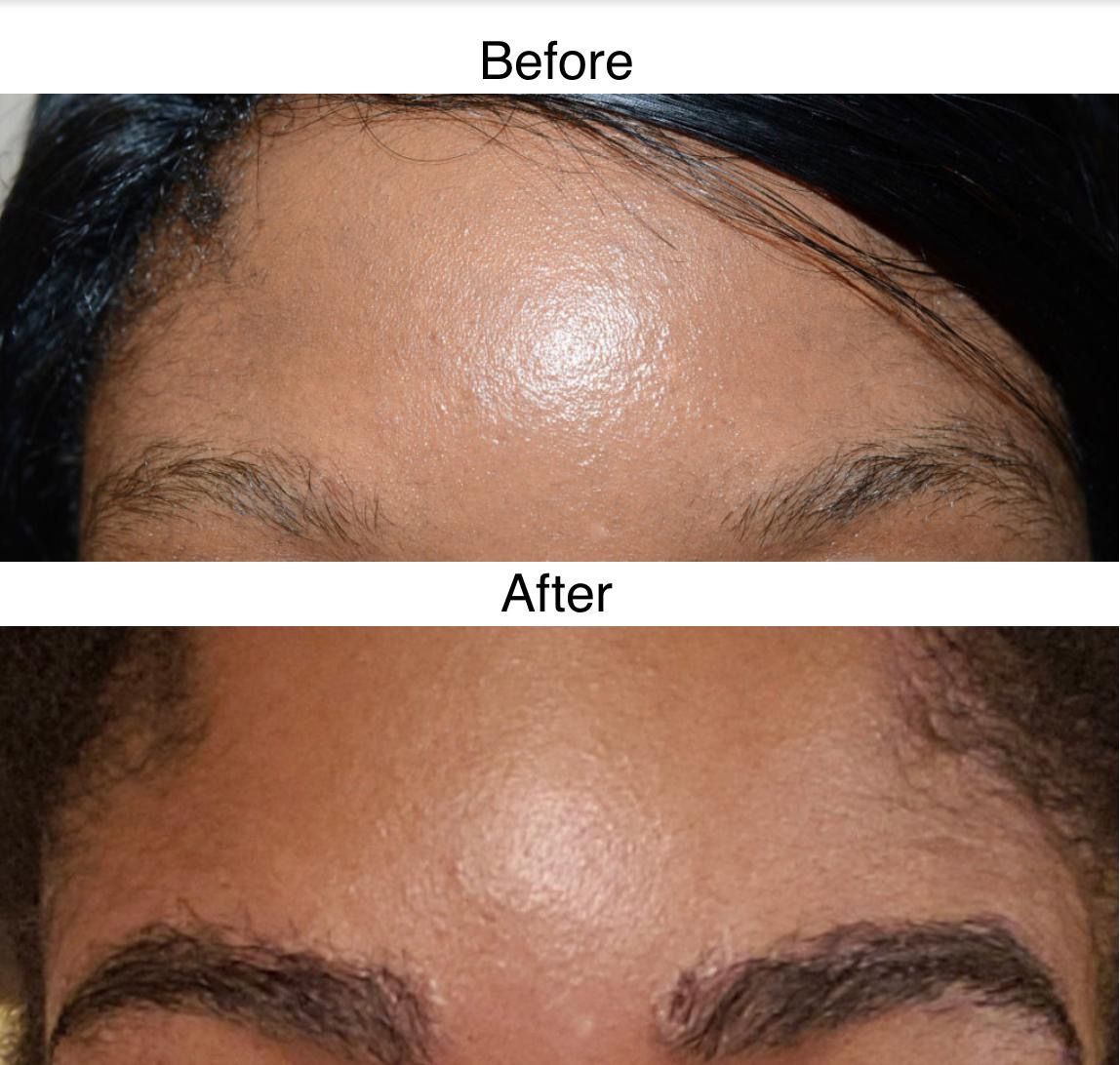
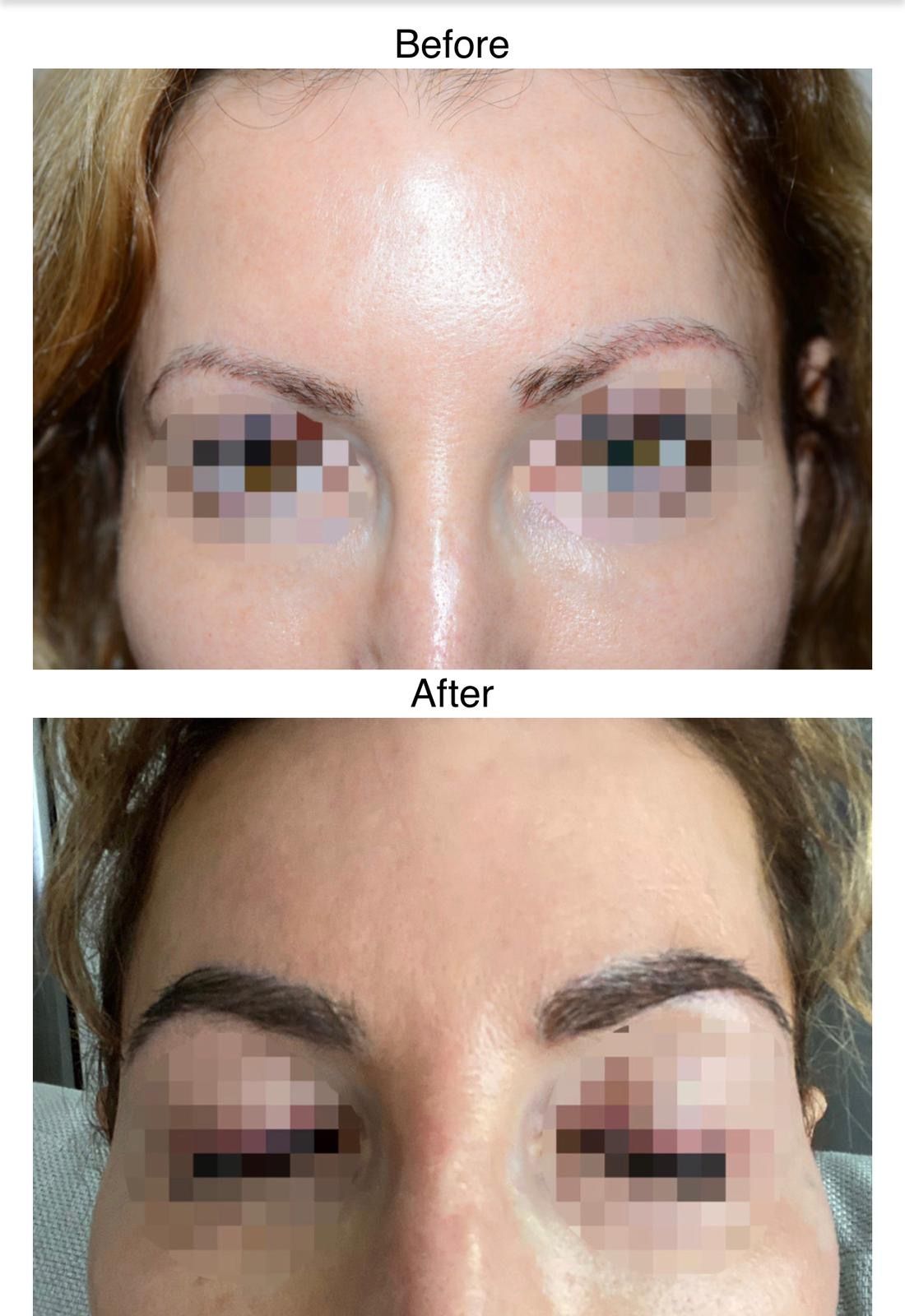
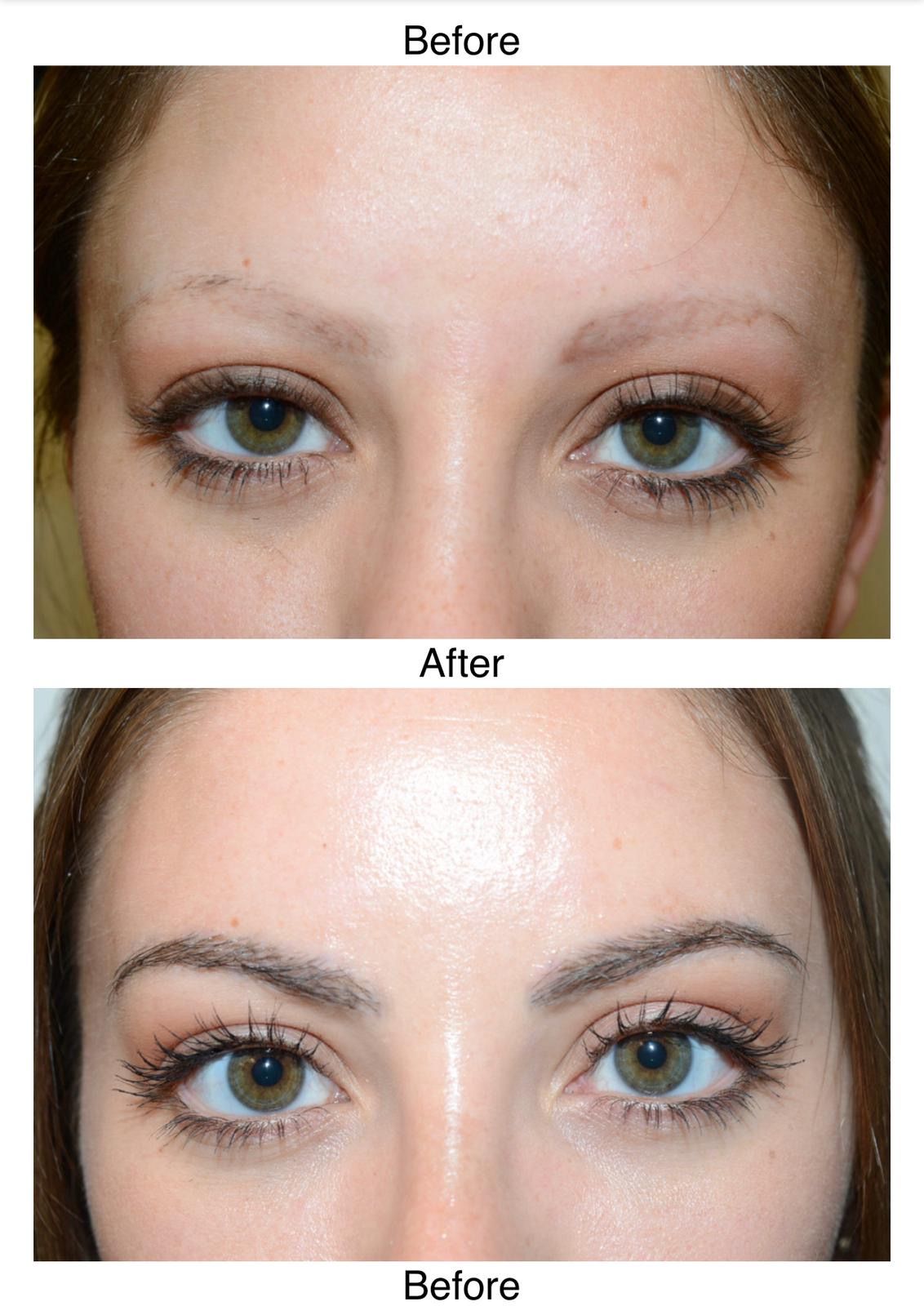
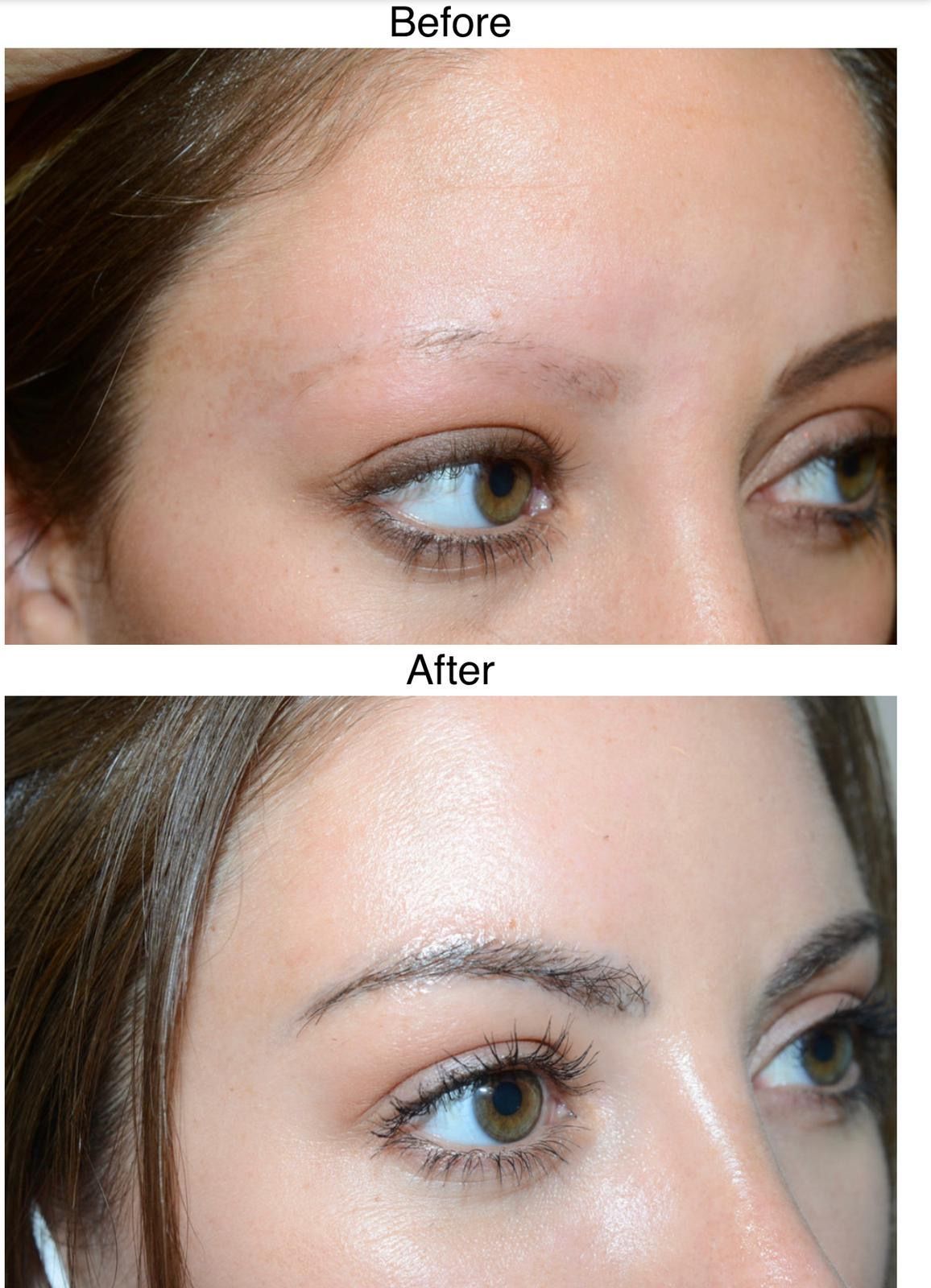
Images 1–2 of 24
How to Compare Before-and-After Photographs
Look for matching conditions
Useful comparisons have similar camera distance, angle, lighting, hair length, styling and dryness. Wet hair, fibres, concealers, a flash or a different parting can change apparent coverage without a biological change.
Check the date
The interval between treatment and the later photograph matters. Early images may show healing, shaft shedding or immature growth. A photograph without a treatment and follow-up date provides limited clinical context.
Identify the area
Hairline, mid-scalp and crown results should not be treated as interchangeable. The crown’s whorl and surface area create different visual demands. Beard and eyebrow work also rely on direction and calibre, not density alone.
Ask whether it is one patient
A genuine comparison must clearly show the same person and treatment area. Cropping should not remove landmarks needed to compare the views. The clinic should be able to explain what the image represents.
Why Hair Transplant Results Differ
Two people receiving the same graft number can look different afterwards. Hair calibre, curl, colour contrast with the scalp, native density, graft distribution and styling all influence visual coverage. A coarse or curled shaft can cover more scalp than a fine straight shaft at the same numerical density.
Donor supply and recipient demand also differ. A conservative hairline over a smaller area is not comparable with an attempt to cover the hairline, mid-scalp and crown. Existing native hair can add coverage at first and then thin later.
Healing and graft growth vary. Smoking, medical conditions, scalp disease, trauma, infection, graft handling and blood supply can affect an individual course. Growth in scar tissue can be less predictable because the tissue and circulation have been altered.
Hair Growth Takes Time
Transplanted shafts may shed after surgery, though timing and amount vary. New visible growth is gradual and can be fine or uneven at first. Calibre, texture and coverage may continue changing over subsequent months. The crown can appear slower than the front.
No single online timeline can establish whether an individual result is complete. The operating surgeon should set review points based on the procedure and early healing. Contact the clinic sooner if there is worsening pain, redness, swelling, discharge, fever, persistent bleeding or another unexpected change.
Read the hair transplant timeline, shedding guide and full aftercare instructions for separate explanations of healing and growth.
Questions to Ask About a Result Image
- Is this the same patient in both views?
- What area and method were used?
- How many grafts were estimated?
- When was the later photograph taken?
- Were the lighting and hair length comparable?
- Was this one procedure or several?
- Was there previous transplant surgery?
- Were fibres or concealers used?
- How did the donor area look afterwards?
- Why is this case relevant to my hair type?
Patient consent and privacy must be respected. A clinic should not imply that an image represents an average outcome when it is a selected example.
Plan Around Your Own Donor Area
Photographs can show possible types of change, but they cannot measure your donor density, scalp health or likely future loss. Dr Harpreet Kalra, GMC 7126076, assesses those factors before discussing a method, design or graft range.
Contact
Call 0151 380 0009 or email info@liverpoolhairtransplantclinics.co.uk.
