Hair Transplant in the UK or Turkey?
Country and price do not tell you who will operate, whether the donor plan is safe or what happens if a complication develops. Compare named surgeons, regulation, consent, total cost and aftercare before comparing packages.



Dr Harpreet Kalra
GMC 7126076 · Liverpool Hair Transplant Clinics
Is a UK or Turkish Hair Transplant Better?
Neither country guarantees the quality of an individual clinic. The UK has a registration system that patients can search, while Turkey has its own laws, licensing arrangements and providers with widely varying models. Good and poor decisions can be made in either place.
The useful comparison is between two complete treatment plans. You need the surgeon’s name and credentials, the legal clinic and treatment address, who performs each surgical stage, the donor and graft plan, the consent process, aftercare arrangements and the full cost if recovery does not go to plan.
A lower headline price may still be appropriate for some patients, but it should not close down questions. A higher UK price is not proof of better surgery. Evidence about the named team and proposed operation matters more than a country label.
Verify the Hair Transplant Surgeon, Not the Salesperson
Name and registration
Ask for the full name of the doctor who will assess you, take consent and perform the surgical parts of the transplant. In the UK, check the doctor’s GMC entry and licence to practise. For Turkey, ask which Turkish authority holds the doctor’s registration and verify it directly.
Role during surgery
Clarify who designs the hairline, administers local anaesthetic, makes FUE extractions or the FUT incision, creates recipient sites and places grafts. Job titles such as “specialist,” “consultant” or “technician” can mean different things in different clinics.
Relevant experience
Ask how often the surgeon treats your hair type, pattern of loss and proposed area. Afro-textured hair, women with diffuse thinning, scar repair, eyebrows and facial hair each need specific planning.
Complications and revisions
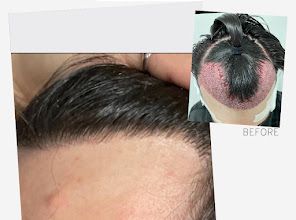
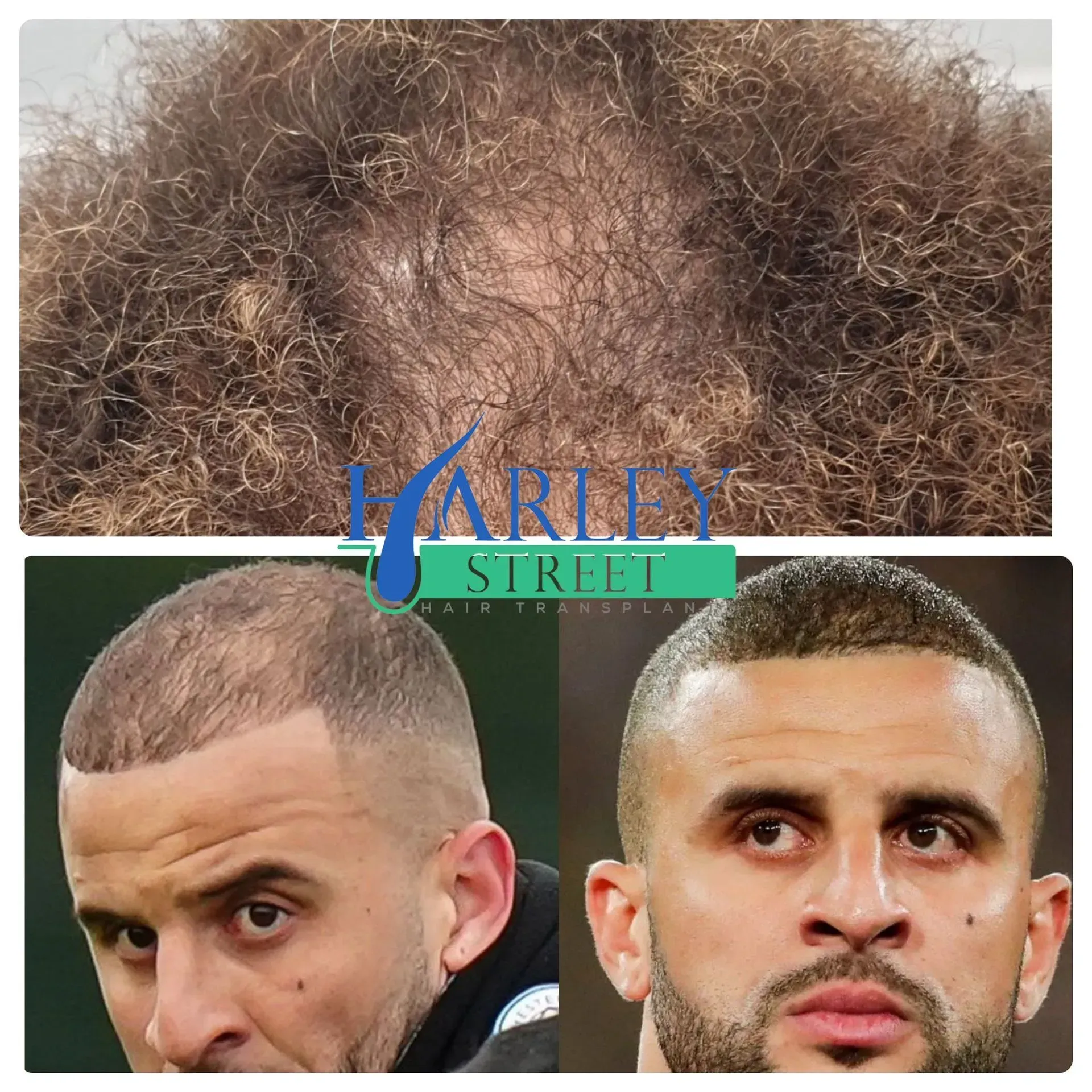
Ask how complications are recorded and managed, what happens when graft growth is poor, and whether the surgeon personally reviews unhappy outcomes. Before-and-after images should show comparable cases with consistent lighting and enough follow-up.
The British Association of Hair Restoration Surgery advises medical tourists to identify the surgeon, verify qualifications and establish which parts of surgery are performed by a doctor or non-doctor.
Compare Regulation and the Exact Treatment Location
For cosmetic surgery in England, the NHS says independent clinics and hospitals must be registered with the Care Quality Commission. Search the actual treatment location and responsible provider, not only a trading name shown on an advert. A UK consultation office is not necessarily the site where surgery is carried out.
Doctors practising in the UK must be registered with the General Medical Council and hold a licence to practise. GMC registration confirms professional status; it does not rate a doctor’s hair-transplant results. CQC registration applies to the service or location, so the two checks answer different questions.
For surgery in Turkey, request the clinic’s legal name, full address, health-facility authorisation and the surgeon’s registration details. Check them with the relevant Turkish authorities. An international membership badge, review score or UK telephone number is not a substitute for national registration.
Keep screenshots or copies of the provider details you verified. If the booking is made through an agent, confirm which company is legally responsible for the surgery, payment, records, follow-up and any refund.
Consultation, Cooling-Off Time and Consent
Speak to the operating surgeon
The NHS advises patients considering cosmetic surgery abroad to have two consultations with the surgeon who will treat them. The consultation should explain the procedure, limitations, alternatives, risks and complications.
A video assessment can collect useful information, but donor density, miniaturisation, scalp disease and scar tissue may be harder to judge remotely. Ask what will happen if the in-person examination changes the plan after you arrive.
Do not consent under travel pressure
A flight and hotel create a deadline that can make it harder to walk away. The GMC’s UK guidance says doctors offering cosmetic interventions should obtain consent themselves, discuss outcomes, benefits and risks, and give patients time to reflect.
Do not pay a non-refundable balance or sign new terms on the day merely because travel has already been booked. Ask for the proposed design, graft range, operator roles and consent document early enough to consider them properly.
Compare the Full Hair Transplant Cost
Turkish packages are often marketed at a lower price than UK surgery, but the headline figures are rarely like-for-like. Build a written total for each option before deciding.
Procedure and travel
- The operation and any deposit or card fee.
- Flights, baggage, airport transfers and accommodation.
- Food, companion travel and extra nights if discharge changes.
- Time away from work and childcare or caring costs.
Aftercare and problems
- Follow-up appointments and access to the surgeon.
- Prescribed medicines and dressings.
- Specialist travel insurance where available.
- Return travel, local medical review or revision costs.
A per-graft price is only useful when the clinic explains what it counts as a graft, how the estimate was measured and whether the proposed number can be harvested safely. More grafts do not automatically mean better coverage.
Read the separate Liverpool hair transplant cost guide.
Travel, Insurance and Recovery Abroad
Standard holiday insurance may exclude planned cosmetic treatment and complications connected with it. Ask the insurer in writing what is covered, including cancellation, extended accommodation, hospital treatment, repatriation and a companion’s costs.
The NHS warns that complications can happen after surgery in the UK or abroad and that access to follow-up may be harder after overseas treatment. A European or global health card should not be assumed to cover planned private cosmetic surgery.
Before travelling
Share relevant medical history honestly, including allergies, regular medicines and conditions that affect bleeding or healing. Keep the surgeon’s name, clinic address, emergency number and treatment plan. Find out which hospital would receive you if urgent care were needed.
Flying home
Ask the surgeon how swelling, dressings, pain relief and the length of the journey affect the safe return date. Do not assume a package itinerary is a clinical decision. Patients with another reason for blood-clot risk need advice from an appropriate clinician.
Language and records
Consent and aftercare must be understood. If an interpreter is needed, ask who provides one and whether they are independent of the sales process. Obtain an operative record, graft count, medicines list and contact route in a language your UK clinicians can use.
If the plan changes
Agree what happens if the surgeon recommends fewer grafts, a different method or no operation after examination. Refund terms should be clear before travel.
Aftercare Is Part of the Operation
Early questions can involve bleeding, swelling, pain, dressings, washing or a knocked graft. Later concerns may involve donor thinning, scarring, folliculitis, poor growth or continuing loss of native hair. The aftercare plan should state who responds, how quickly and whether the surgeon can examine you.
BAAPS warns that access to aftercare and surgical advice may be harder after travelling for treatment. A UK representative may not be the operating surgeon. Ask whether the overseas surgeon provides video reviews, written reports and direct communication with a UK clinician if needed.
If surgery is performed locally, distance is smaller but aftercare still needs checking. Confirm out-of-hours contact, planned review dates, the complaints process and who pays for treatment of a complication.
Read the hair transplant aftercare guide before booking, not on the flight home.
Questions to Answer Before You Book
- Who is the named surgeon, and where is their current registration verified?
- What is the legal name and exact address of the treatment provider?
- Who performs the consultation, consent, anaesthetic, harvesting, recipient sites and placement?
- What diagnosis and donor measurements support the proposed graft range?
- Which scars can the method leave, and how will donor overharvesting be avoided?
- What is included in the total price, and which costs remain with the patient?
- What happens if the surgeon changes or cancels the plan after examination?
- Who provides urgent and longer-term aftercare after the patient returns home?
- What records are supplied, and in which language?
- What insurance or personal funds cover an extended stay or complication?
Do not book until the answers identify accountable people and organisations. A social-media account, coordinator’s first name or package brochure is not enough.
UK and Turkey Hair Transplant Questions
Are hair transplants cheaper in Turkey?
Many Turkish clinics advertise lower procedure prices, but compare the entire cost of travel, accommodation, insurance, medicines, follow-up and possible return treatment. Check that the proposed operations are genuinely comparable.
Is a UK hair transplant automatically safer?
No. UK regulation provides checks that patients can use, but it does not remove surgical risk or make every provider equal. Verify the named surgeon, treatment location, donor plan, consent and aftercare.
Who should perform FUE extraction and recipient sites?
Ask the clinic to identify every operator and their professional status in writing. BAHRS guidance says surgical steps of hair transplantation should be carried out by appropriately licensed doctors.
Will normal travel insurance cover cosmetic surgery?
Do not assume it will. Many policies exclude planned cosmetic treatment or related complications. Ask the insurer for written confirmation and consider specialist cover where available.
What if I need help after returning to the UK?
The overseas clinic should provide a clear follow-up and escalation plan before surgery. Know whether you can reach the operating surgeon and what local care or return travel would cost.
Read the NHS guide to cosmetic surgery abroad, BAAPS cosmetic-tourism advice, BAHRS medical-tourism checklist and GMC cosmetic-intervention guidance.