Home › Hair Transplants › DHI Hair Transplant
DHI Hair Transplant Liverpool
DHI usually describes the way prepared grafts are implanted, using a pen-shaped implanter. The grafts still have to be harvested first, commonly by FUE, and the choice of placement method should follow examination of your scalp, donor area and treatment goals.
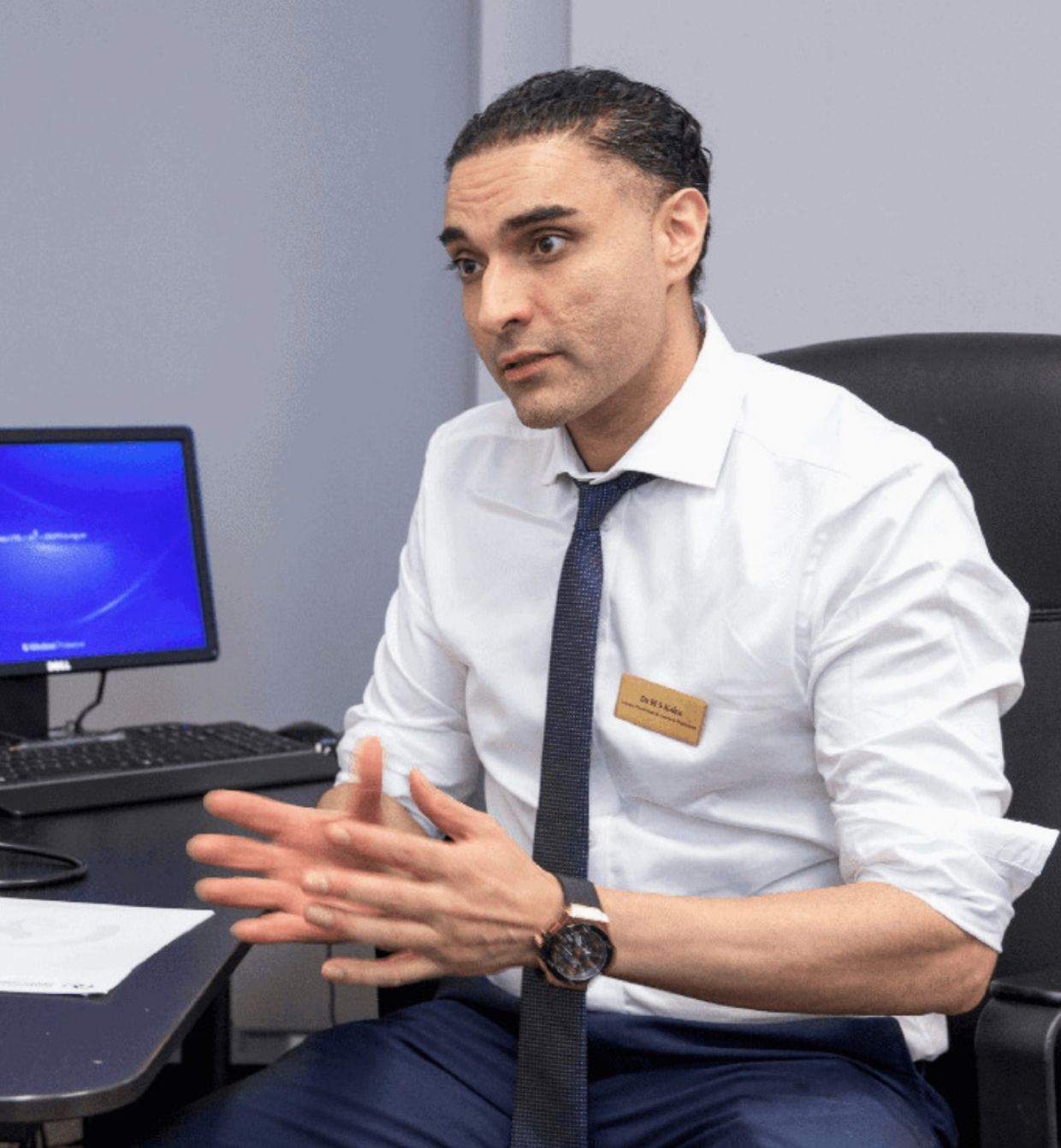
Consultations are led by Dr Harpreet Kalra, GMC 7126076, at our Liverpool city-centre clinic.
Contents [show]
What DHI Actually Changes
DHI stands for Direct Hair Implantation. In everyday clinic language, it usually means that prepared follicular-unit grafts are loaded into an implanter pen and inserted into the recipient area. It does not describe how those grafts were removed from the donor area. Many DHI procedures use FUE harvesting first.
The pen holds the graft while its tip enters the recipient skin. This can give the surgical team a different way to manage placement, angle and depth, but it is not a procedure without openings in the skin. The donor area also heals according to the harvesting technique used.
The name of the instrument does not decide the result. Diagnosis, donor capacity, hairline design, graft handling, placement direction and a plan for further hair loss all matter. A good consultation should explain why an implanter is being recommended for your case, rather than treating DHI as an automatic upgrade.
Who May Be Suitable for DHI?
What the surgeon examines
- The cause and pattern of hair loss, including whether it is still changing quickly.
- Donor density, hair calibre and the number of grafts that can be taken without leaving avoidable thinning.
- The size and position of the proposed recipient area.
- Scalp health, previous surgery, medical history and medication.
- Expectations about coverage, density, scarring and the time needed for growth.
When surgery may need to wait
Diffuse thinning, an uncertain diagnosis, active scalp disease, suspected scarring alopecia or weak donor supply can change the plan. Some patients need further investigation or a period of non-surgical management before any transplant is considered.
DHI is not suitable simply because a small area is being treated. The surgeon still has to judge whether transplantation is appropriate and whether an implanter offers a practical advantage for that particular design.
How a DHI Hair Transplant Is Planned
1. Consultation and design
The surgeon assesses the scalp and donor area, discusses medical history and considers how the design may look if untreated hair continues to thin. The treatment area and proposed distribution are agreed before surgery.
2. Donor preparation
When DHI is paired with FUE, follicular units are removed individually with a small punch. The extraction pattern needs to protect visible donor density. Another harvesting method changes the donor scar pattern and should be discussed separately.
3. Graft checking and loading
The grafts are handled and prepared before being loaded into implanter pens. Different graft sizes may be allocated to different parts of the design, with finer single-hair units commonly used at a soft leading edge.
4. Recipient placement
The implanter tip enters the recipient skin as the graft is placed. The surgical plan still controls spacing, angle, direction and distribution. Dense packing is limited by scalp characteristics, blood supply, graft quality and the need for a safe design.
5. Checks before discharge
The team examines the donor and recipient areas and gives written aftercare instructions. Patients should know how to wash, sleep and limit activity, which prescribed medicines to take, and who to contact if healing causes concern.
6. Follow-up
Follow-up allows the clinic to review healing and later growth. Photographs taken too early cannot show the mature result, and continuing loss of non-transplanted hair may require a separate long-term plan.
DHI, FUE and FUT: The Practical Difference
These terms do not describe three directly equivalent operations. FUE and FUT are donor-harvesting methods. DHI usually describes graft placement. A procedure can therefore combine FUE harvesting with DHI implantation.
| Question | DHI | FUE | FUT |
|---|---|---|---|
| What does the term describe? | Implantation with a pen-shaped device. | Individual graft removal with a punch. | Removal and closure of a donor strip. |
| How are grafts obtained? | Often by FUE before they are loaded into the implanter. | Individual follicular units are extracted from the donor area. | The strip is dissected into follicular-unit grafts. |
| Does it create scars? | Yes. Recipient placement enters the skin, and donor scars depend on the harvesting method. | Yes. It leaves multiple small circular donor scars. | Yes. It leaves a linear donor scar. |
| Main planning point | Loading, graft handling and controlled recipient placement. | Extraction spacing and donor-density protection. | Strip design, closure and linear-scar management. |
The recommendation should be based on examination and the full surgical plan, not the label used in advertising.
DHI Recovery, Growth and Risks
Early healing
Redness, swelling, tenderness and crusting can occur after implantation. The donor area also needs to heal from the chosen harvesting method. Appearance and recovery time vary with the size of the procedure, skin response and individual healing.
Some transplanted hair shafts may shed during the following weeks, but the amount and timing differ between patients. DHI does not stop that early shedding, and it does not prevent continuing loss of untreated native hair.
When growth becomes visible
New growth develops gradually over the following months. Early growth can be uneven, and hair calibre may change as it matures. A crown procedure may take longer to look developed than a frontal hairline in some patients.
Risks to discuss before surgery
Possible complications include bleeding, infection, swelling, visible scarring, altered sensation, folliculitis or cysts, poor graft growth, asymmetry, an unnatural design and damage to the donor area. Existing hair may continue to thin around a transplant.
Scar appearance varies. Skin type, previous scarring, the harvesting method, extraction density and individual healing can all affect the donor area. No instrument can remove that biological variability.
Worsening pain, redness, swelling or discharge should be reported to the clinic. Follow the instructions given for your own procedure rather than a generic recovery schedule found online.
Read the full hair transplant aftercare guide and Liverpool recovery timeline.
How Much Does DHI Cost in Liverpool?
The current Liverpool DHI page states that treatment starts from around £5,000. That starting figure is not a quote for every patient. The final fee depends on the treatment area, graft requirement, donor complexity, previous surgery and the time needed for the agreed plan.
Ask what is included, who carries out each surgical stage, how follow-up works and whether the quote may change. Graft numbers should be tied to a safe donor assessment, not used as a stand-alone sales figure.
Read the detailed hair transplant cost guide or request an assessment for an individual recommendation and written quote.
Images from the Liverpool DHI Page
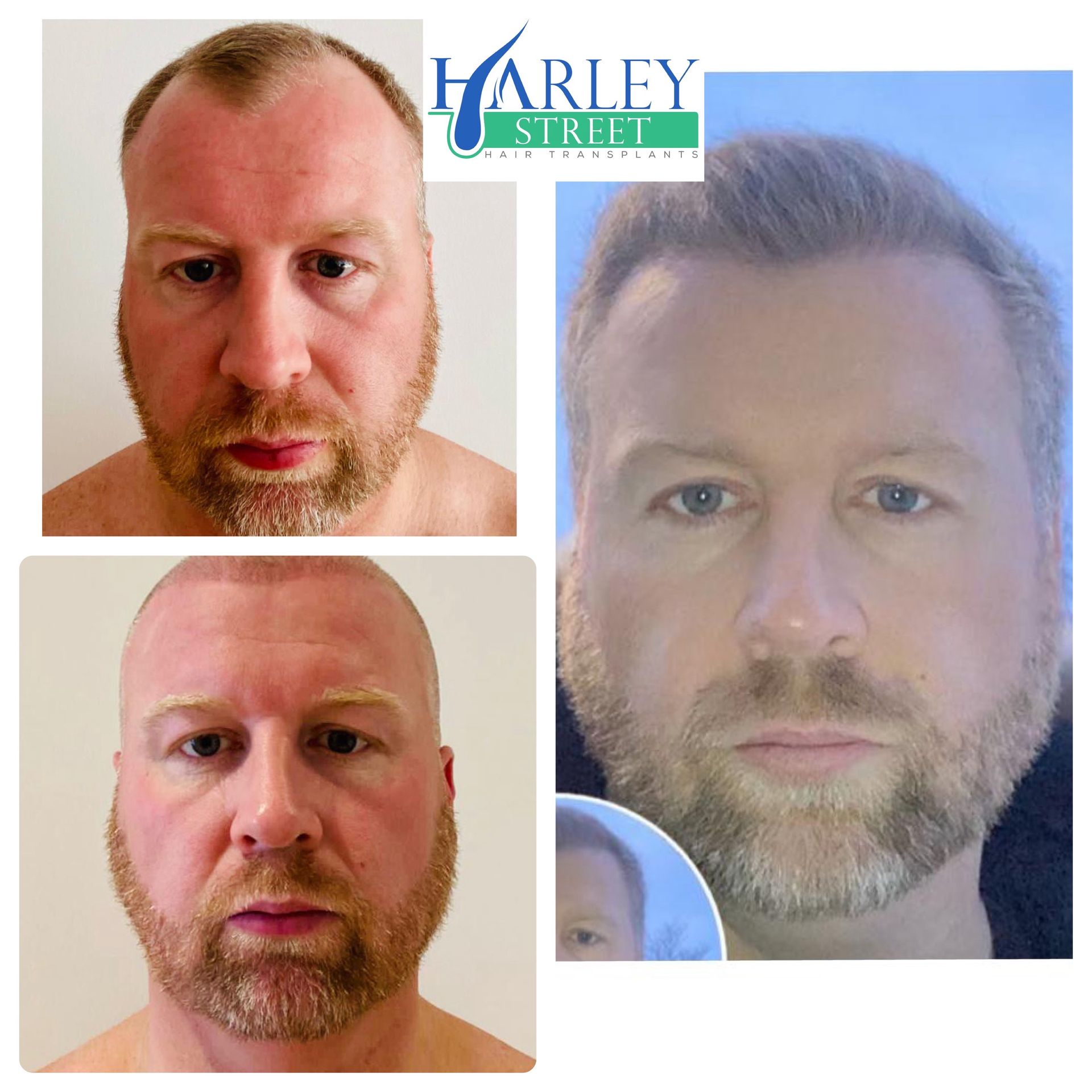
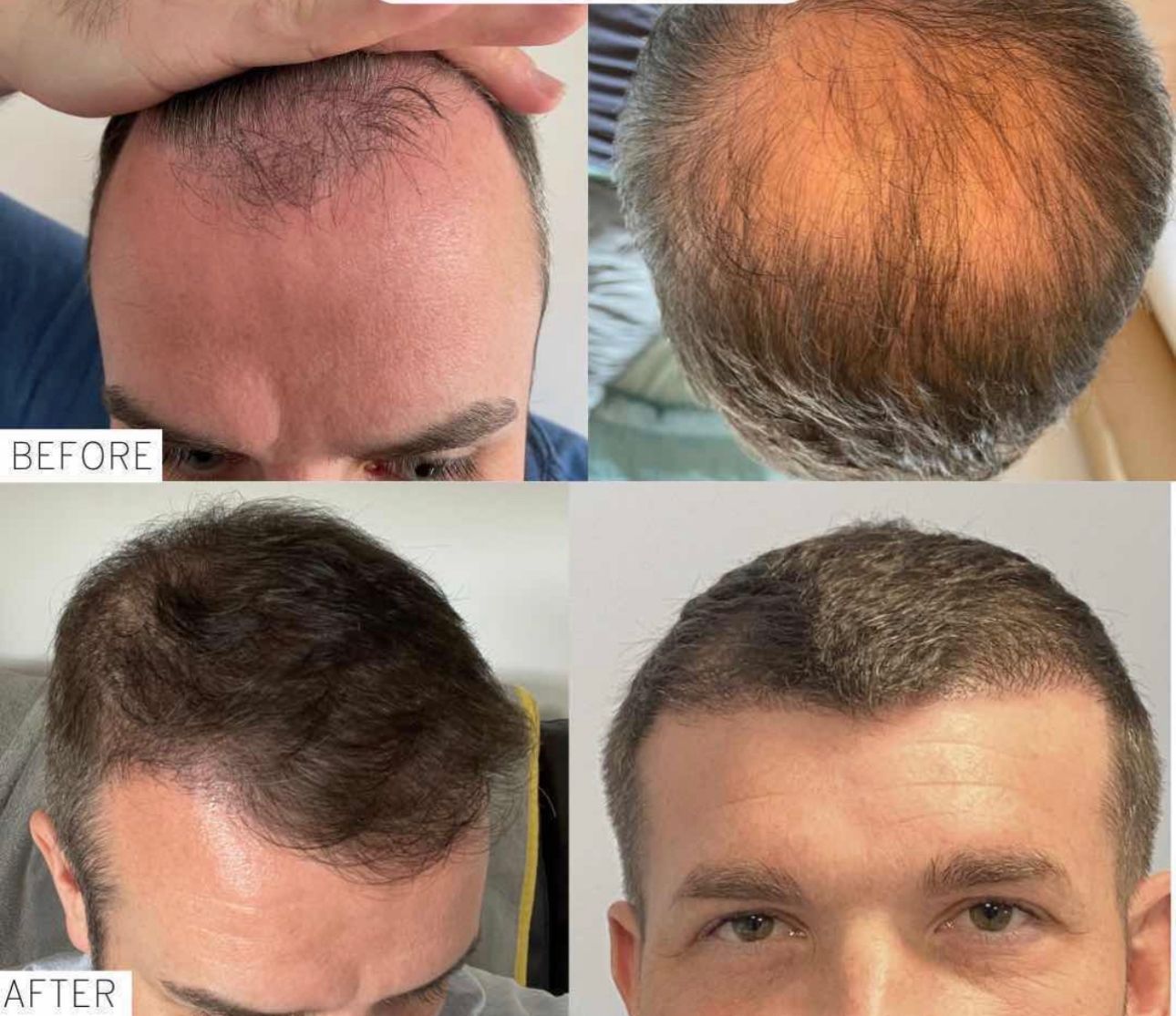
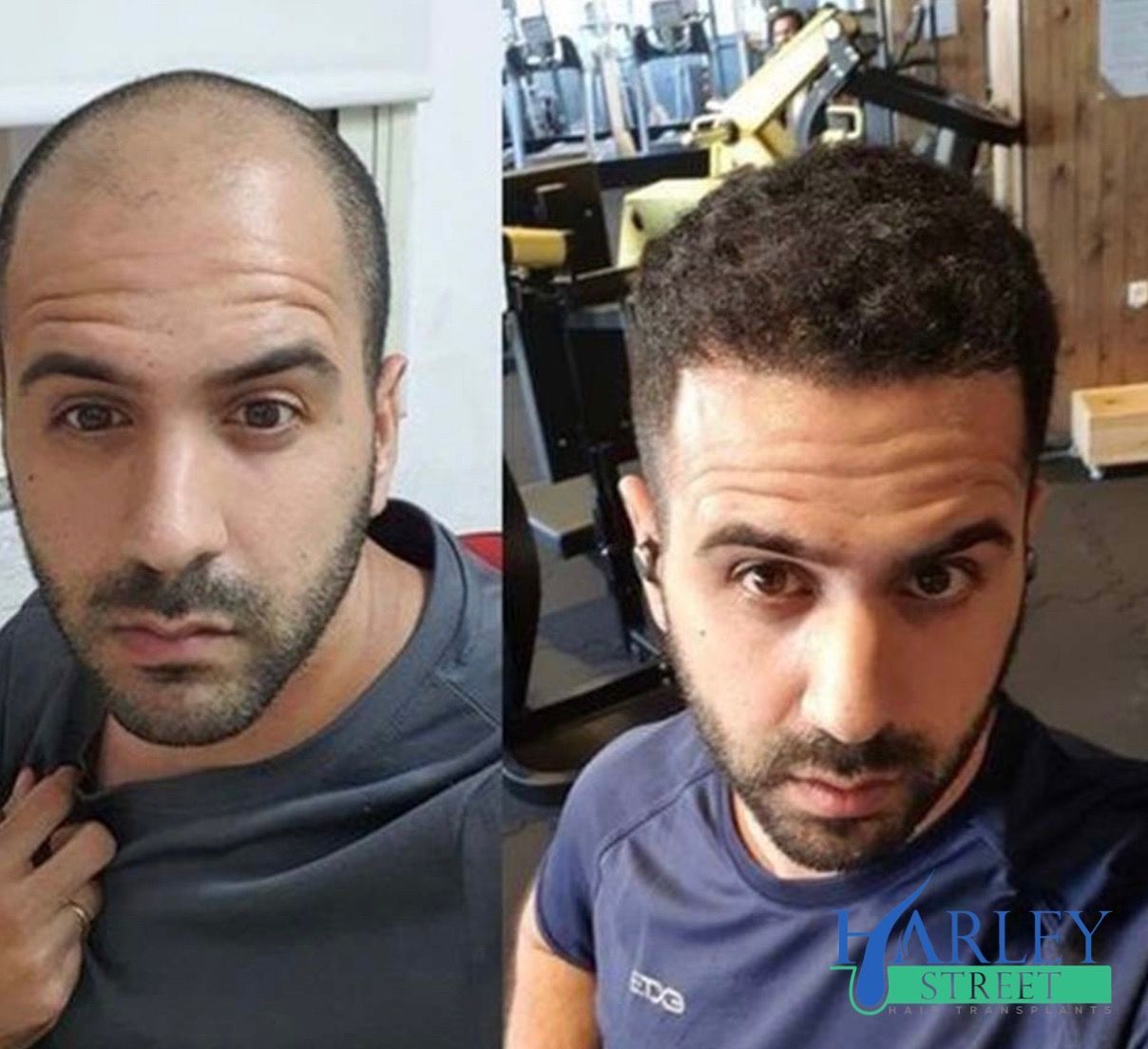
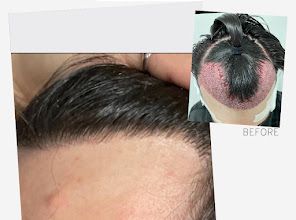
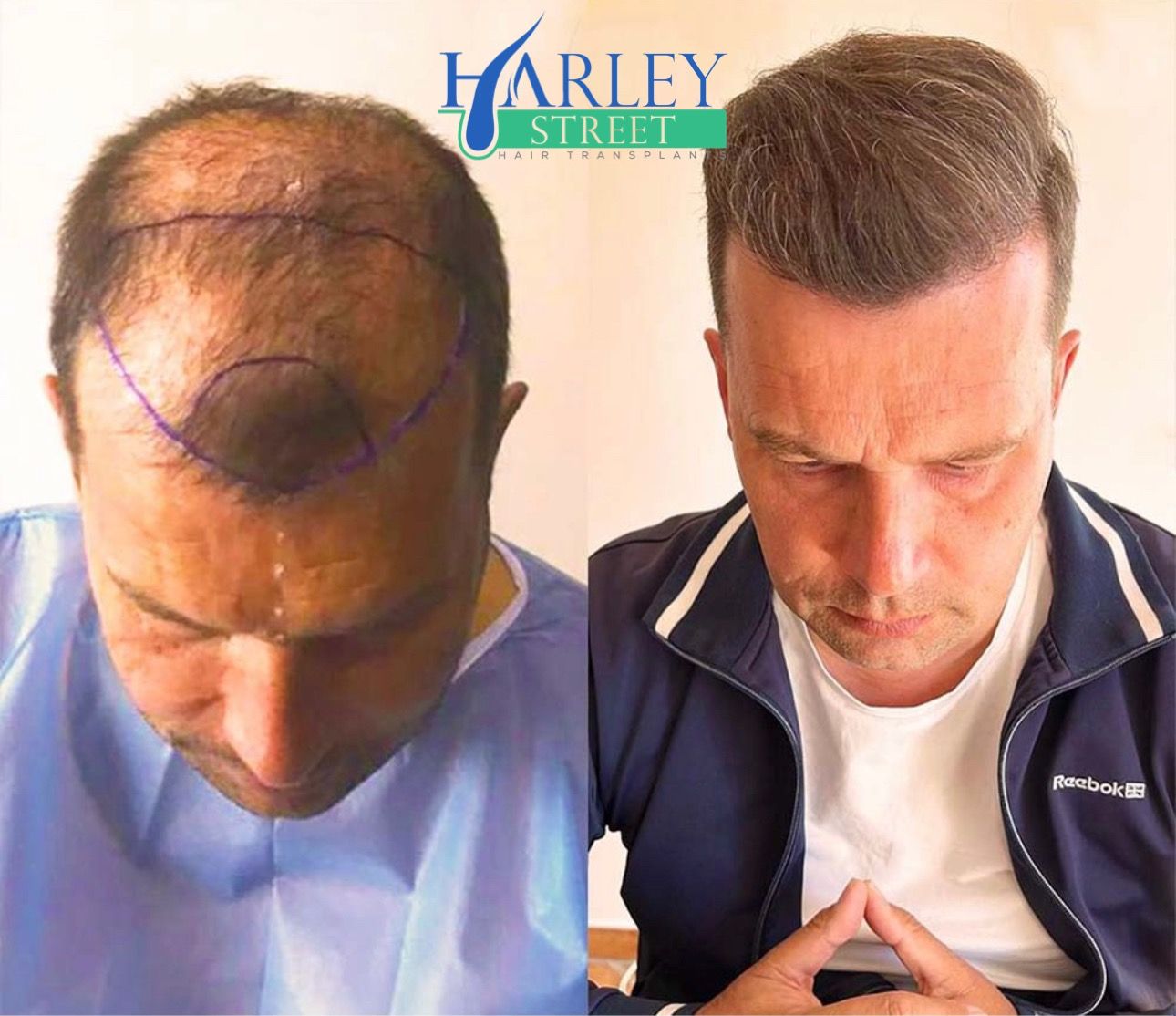
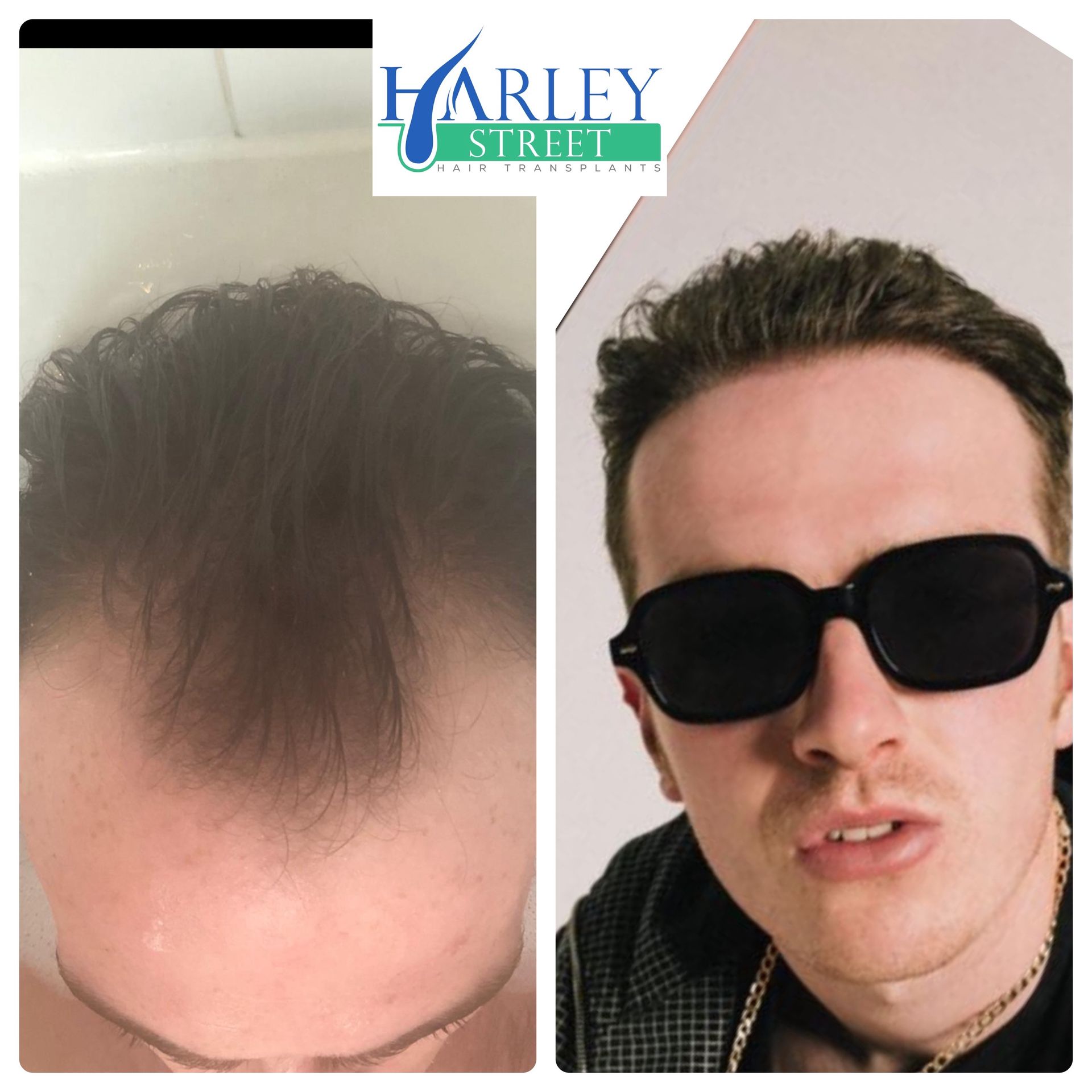
These six images are retained from the current Liverpool DHI page. Results cannot be predicted from photographs alone. Starting pattern, donor supply, graft survival, hair characteristics, healing and later hair loss all affect the appearance.
Other Hair-Restoration Options

FUE
Individual graft harvesting with donor-density planning.

FUT
Strip harvesting with a linear donor closure.

PRP
A separate non-surgical option that needs realistic expectations.

Eyebrows
Fine placement planned around angle and direction.

Beard
Facial-hair design using suitable donor grafts.

Women
Diagnosis-led planning for suitable patterns of loss.
Related Liverpool Article
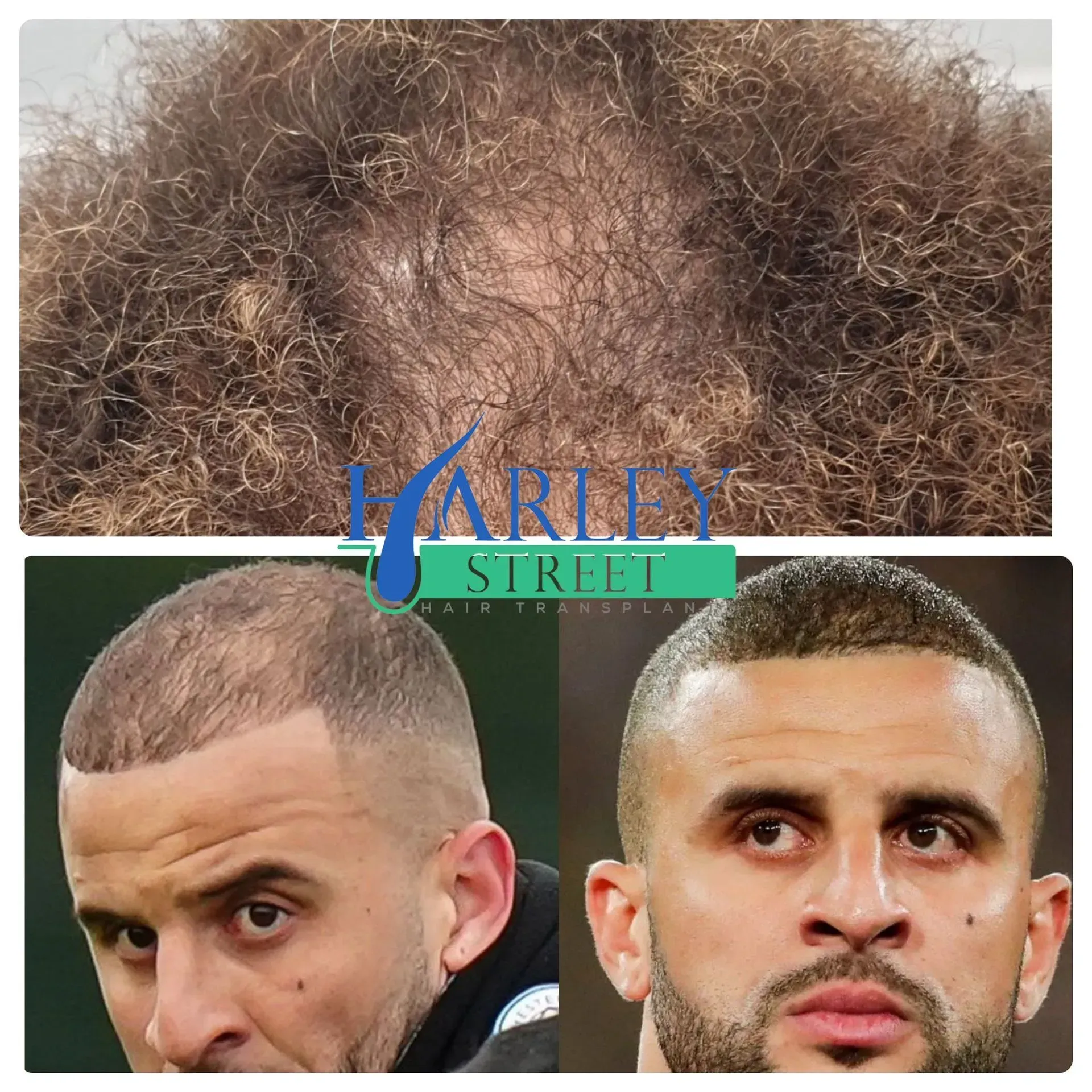
Did Kyle Walker Have a Hair Transplant?
A careful look at public hairline speculation without treating photographs as a medical diagnosis.
DHI Hair Transplant Questions
Does DHI avoid incisions?
No. The implanter tip enters the recipient skin as each graft is placed. If the grafts are harvested by FUE, the donor area also has multiple small extraction wounds that heal with circular scars.
Is DHI different from FUE?
They describe different stages. DHI usually refers to implantation with an implanter pen, whereas FUE describes individual graft harvesting. The same procedure can use both.
Does DHI prevent transplanted-hair shedding?
No. Some transplanted shafts may shed in early recovery, and the pattern differs between patients. DHI does not prevent later thinning of untreated native hair either.
How many grafts will I need?
The number depends on the size of the treatment area, existing density, hair calibre, donor supply, previous surgery and the coverage that can be achieved safely. It cannot be set responsibly without assessment.
Is DHI worth the extra cost?
That depends on the surgical plan and whether the implanter method suits the case. The useful questions are why it has been recommended, how the grafts will be harvested, who performs each stage and what result is realistic from the available donor hair.
Check the surgeon’s registration on the GMC medical register and read the CQC guidance on choosing cosmetic surgery.
